-
Vaccines, Family Planning, and Freedom from Violence: Achieving Equity for All Women and Children
›
“From birth, from almost from cradle to grave, girls have been seen as some sort of baggage,” said Shamsa Suleiman, Project Management Specialist for Gender and Youth at the U.S. Agency for International Development (USAID), Tanzania. Suleiman spoke at a recent Wilson Center event with USAID MOMENTUM Country and Global Leadership about balancing power dynamics to achieve equity for all women and children in maternal, child, and adolescent health, and family planning. Home should be a safe space, said Suleiman. But for many girls, it no longer is. To escape the poverty and pressures at home, including early marriage and other forms of gender-based violence, some girls leave, said Suleiman. “Girls are trying to escape the safe spaces.”
-
The Global Impact of COVID-19 on Women and Girls
›
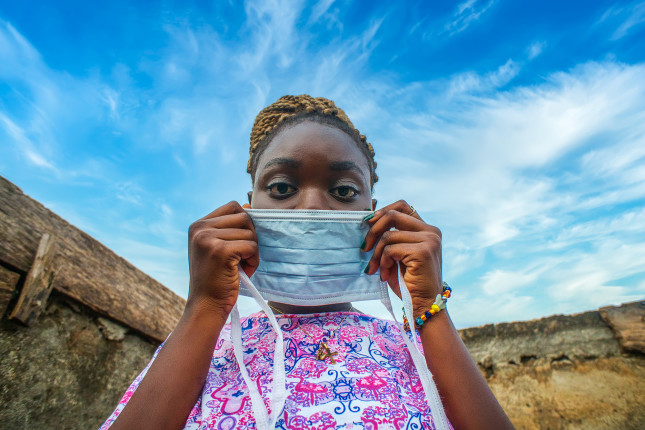
“As we face a global pandemic that has taken the lives of more than 800,000 people as of right now around the world, we certainly have to recognize the particular impacts that that has had on women and girls and their lives,” said Rep. Chrissy Houlahan (D-PA), at a recent event hosted by CARE and UNFPA about the global impact of COVID-19 on women and girls. While women make up 70-80 percent of frontline healthcare workers globally, they have also been disproportionately affected during the pandemic by increased rates of gender-based violence, lack of access to sexual and reproductive healthcare, and economic and food insecurity.
-
Maps of Mayhem: Predicting the Location of Civil War Violence
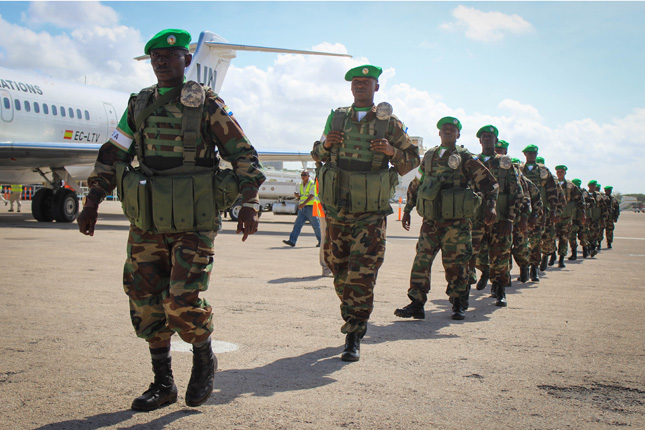
›Over the past decade, we have seen a resurgence of civil conflicts in Africa, the Middle East, and southeast Asia, as weak states are increasingly threatened by non-state actors, such as organized crime groups, terrorist organizations, and insurgents. These wars endanger millions of people—including some of the world’s most at-risk populations—by exposing them not only to violence, but also displacement, environmental degradation, and economic destruction. To effectively protect them, leaders and policymakers need to be able to predict exactly where, when, and how insurgent violence will break out and spread.
-
Striving for Sustainability at 10 Billion: The 2016 World Population Data Sheet
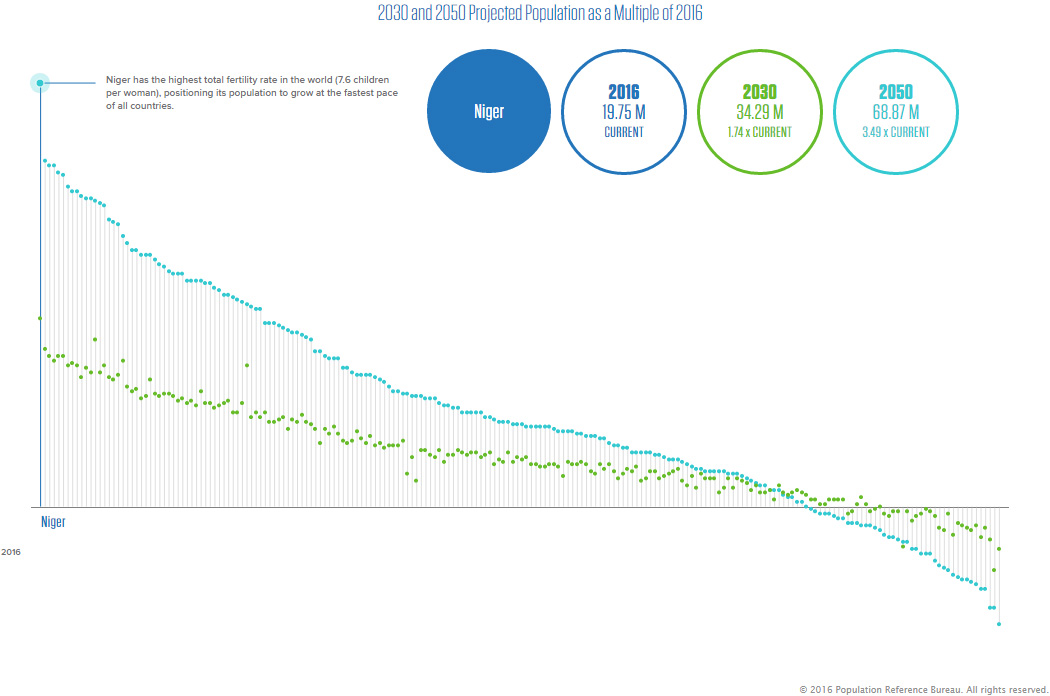
›Featured side by side at the top of The New York Times home page recently were two stories: one on the United States and China, the world’s largest producers of carbon emissions, committing to a global climate agreement, another on how rising seas are already affecting coastal communities in the United States.
-
Tracking Illegal Fishing in West Africa, and Improving Soil Data to Better Model Climate Effects
›Overfishing by foreign fleets in West Africa is leading to devastating social and economic consequences. In a report from the Overseas Development Institute, an independent think tank based in London, researchers use satellite data to assess the scale of two kinds of illegal, unreported, and unregulated fishing: “reefers,” or large-scale commercial vessels receiving and freezing fish at sea and at port, and large refrigerated container ships that are registered in countries with less stringent enforcement regulations than that of the ship’s owners. -
As Ebola Lingers in Liberia, What Have We Learned?
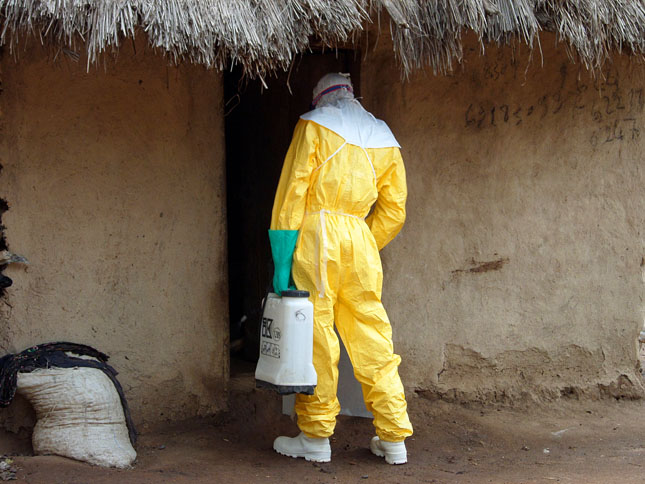
›The deadly West African Ebola epidemic has largely faded from headlines, replaced by mounting concern over conflict in the Middle East, terrorism, and refugees streaming into Europe. But while Guinea and Sierra Leone were declared free of the disease in November, Monrovia saw three new cases two weeks later. At least 149 individuals who came into contact with the infected have been identified thus far, according to the World Health Organization (WHO).
-
De Souza: In Era of Man, Demography Needs to be Part of Environmental Security Discussion
›A new article from the Wilson Center’s own Roger-Mark De Souza explores how population trends can bolster community resilience in the face of climate change and other security threats. De Souza argues that demographic trends such as age structure help determine how well a population is able to respond to and bounce back from shocks, especially environmental ones like drought and famine.
-
Chernor Bah: Girls Invisible in Most Youth Development Policies
›“Youth in many countries is synonymous [with] masculinity,” says Chernor Bah in this week’s podcast. “Across governments – and I’ve looked at a lot of youth policies – girls are invisible.”
Showing posts from category Sierra Leone.