-
Sharon Guynup, Mongabay
Brave New Arctic: Sea ice has yet to form off of Siberia, worrying scientists
›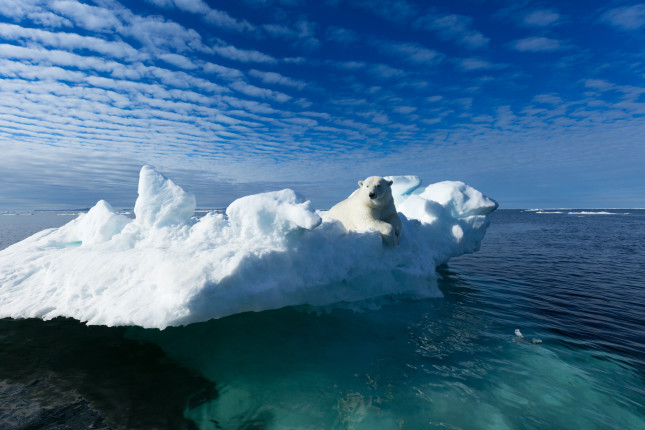
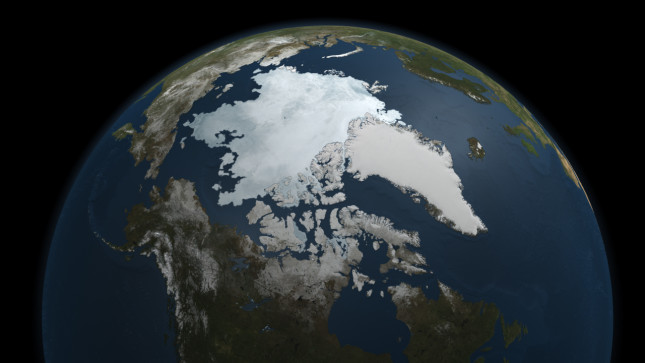
At this time of year, in Russia’s far north Laptev Sea, the sun hovers near the horizon during the day, generating little warmth, as the region heads towards months of polar night. By late September or early October, the sea’s shallow waters should be a vast, frozen expanse.
But not this year. For the first time since records have been kept, open water still laps this coastline in late October though snow is already falling there.
-
Cruising the “7Cs” of the Arctic: A Wilson Center NOW Interview with Mike Sfraga
›
Former Vice President Biden’s recent Foreign Affairs article on his proposed presidential policies hit on all major hot spots of U.S. interest globally but one, said Mike Sfraga, director of the Wilson Center’s Global Risk and Resilience Program and Polar Institute, in a recent episode of Wilson Center NOW.
“The Arctic should be a part of the foreign policy dynamic of the United States,” said Sfraga. Global politics, economics, security, and the environment connect in countless ways throughout the region, only some of which show up in headlines.
-
Concerns Rise Over Governance Gap in Arctic
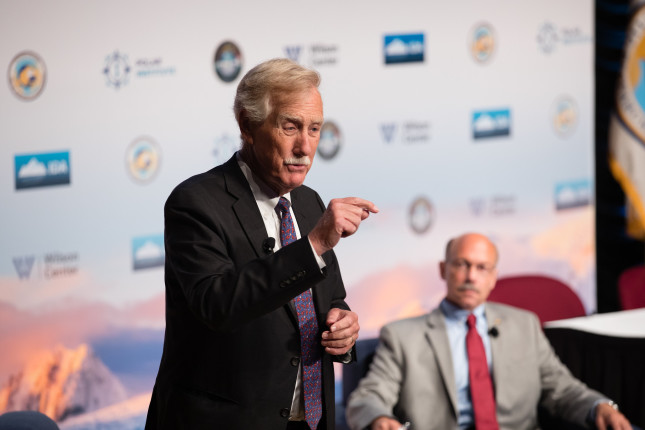
›“We’re attempting to do something that’s never been done before in world history,” said Senator Angus King (I-ME). “The peaceful development of a major new physical asset.” He spoke of the Arctic Ocean at the 8th Symposium on the Impacts of an Ice-Diminishing Arctic on Naval and Maritime Operations. The symposium was hosted by the Wilson Center’s Polar Institute, in partnership with the U.S. Arctic Research Commission, U.S. National Ice Center, Arctic Domain Awareness Center, Patuxent Partnership, St. Mary’s College of Maryland, and the Ronald Reagan Building and International Trade Center.
-
A Warmer Arctic Presents Challenges and Opportunities
›As Arctic ice melts, we can physically see glaciers retreating. But what we can’t yet see is the exact effect climate change will have on the environment, humans, economies, and national security. Less ice for longer periods each year will likely bring opportunities and related challenges as Arctic and non-Arctic states jockey for position.
-
China’s Ready to Cash In on a Melting Arctic
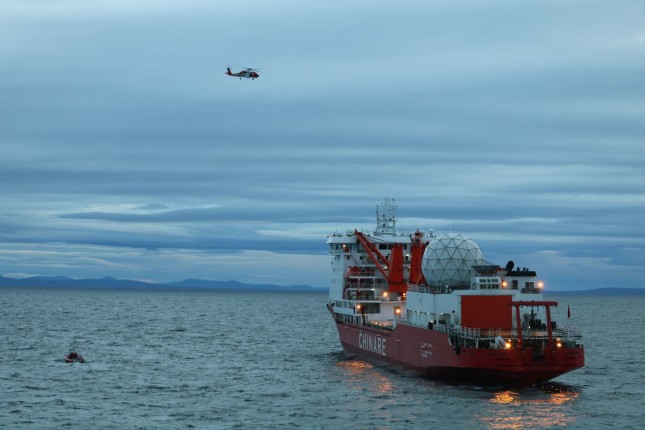
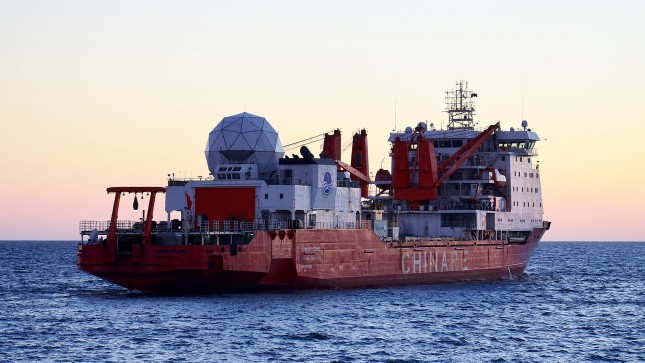
›Put simply, “the damn thing melted,” Navy Secretary Richard Spencer explained in recent testimony, referring to Arctic ice melt as the trigger for the new U.S. Navy Arctic Strategy that is to be released this summer. What the Navy planned as a 16-year road map is in need of updates after only four years, in part due to receding polar ice caps, which are “opening new trade routes, exposing new resources, and redrawing continental maps,” but also in part due to the rise of China as an “Arctic stakeholder” and increasing important player in the region.
-
8 Rules of Political Demography That Help Forecast Tomorrow’s World
›In a world rapidly churning out unpredictable political shocks, intelligence analysts occasionally need to clear their heads of the daily barrage of newsworthy events and instead work with simple theories that discern the direction and speed of trends and help predict their outcomes. Political demography, the study of population age structures and their relationships to political trends and events, has helped some analysts predict geopolitical changes in a world that, from time to time, appears utterly chaotic. -
ND-GAIN Updates Climate Adaptation Index: Good News for Myanmar, Bad News for Brazil
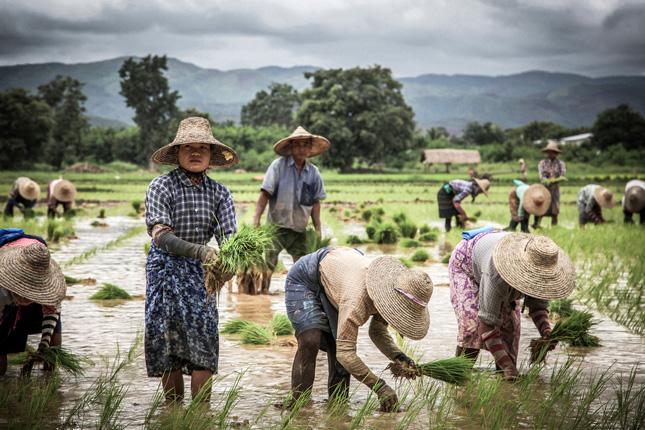
›As climate change leads to more weather variability and natural disasters, the need for adaptation is more urgent than ever. The Notre Dame Global Adaptation Initiative (ND-GAIN) aims to enhance understanding of adaptation and inform the public and private sectors on actions and investments.
-
Can Demographic-Environmental Stress Contribute to Mass Atrocities? And the Future of Arctic Cooperation
›In a brief published by the Stanley Foundation, Cullen Hendrix explores how “the degradation and overexploitation of renewable sources…and unequal access to these resources” can make societies more or less susceptible to experiencing mass atrocities. Hendrix proposes that “demographic-environmental stress” is most likely to contribute to mass atrocities (genocide, war crimes, or crimes against humanity) in agricultural societies that have a high level of group identity-driven politics and economics, exclusionary political institutions, political actors that deprive certain groups, or when governments have low legitimacy.
Showing posts from category Russia.