-
In Cities, the New Battlefield for Sustainable Development, Women and Girls Need Help
›
Last month, the world came to Copenhagen to focus on how to achieve the Sustainable Development Goals (SDGs) for girls and women. The Women Deliver Conference, the largest gathering on girls’ and women’s health and rights in the last decade, was a huge success. Convening over 5,700 likeminded people from 169 countries was important to reenergize the movement and inspire action. Preaching to the converted is sometimes important. But now it’s time to focus on those who are not yet converted.
-
Hunger in Shangri-La: Causes and Consequences of Food Insecurity in the World’s Mountains
›
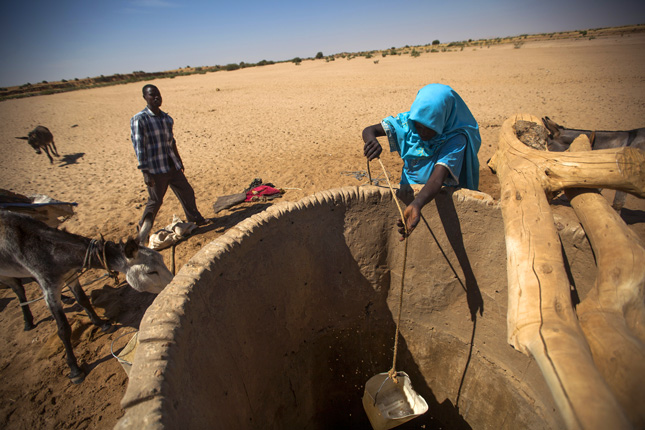
Over the past decade, the number of undernourished people around the world has declined by around 167 million, to just under 800 million people. However, this positive trend glosses over a stark reality: Food insecurity is increasing in the world’s mountains. This pattern has been under-recognized by development experts and governments, a dangerous oversight with far-reaching social and environmental repercussions.
-
Secondary Cities: Neglected Drivers of Growing Economies [Infographic]
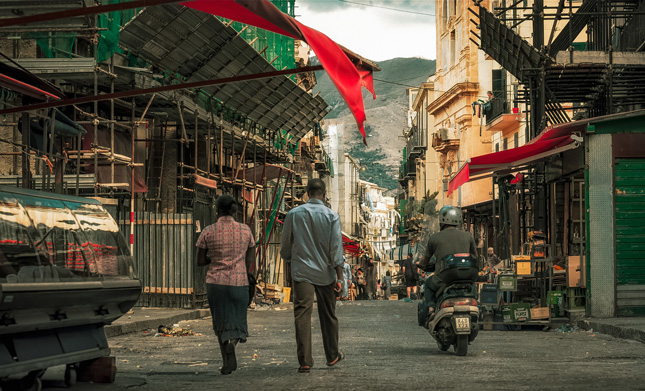
›While much of the attention in international development and academia has focused on mega and primary cities, rapidly growing secondary cities will play a significant role in global economic development in this, the urban millennium. [Video Below]
-
Growing Role of Armed Forces in Disaster Relief a Dangerous Trend for Latin America
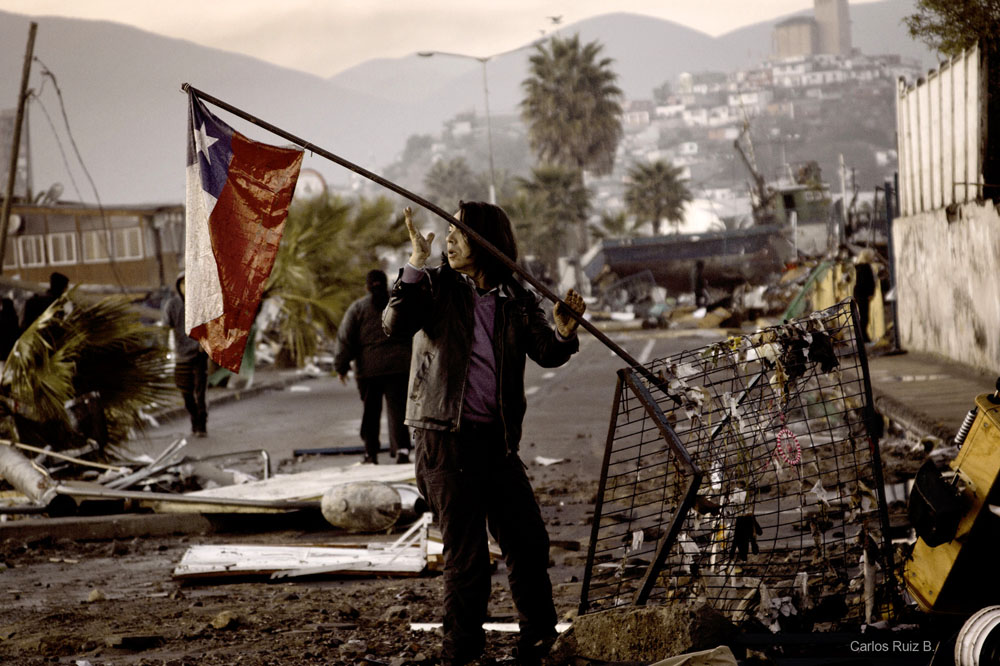
›From earthquakes to floods, when natural disasters strike, the military is often called on to bolster civilian responses. Policymakers throughout Latin America in particular are increasingly relying on the armed forces for emergency assistance.
-
Climate Change Adaptation and Population Dynamics in Latin America and the Caribbean (Report)
›Global climate trends indicate that our planet will continue warming into the next century, leading to more extreme climate conditions. The Latin America and Caribbean region is vulnerable to some of the most challenging aspects of climate change – sea-level rise, changes in precipitation, glacial melting, spreading of disease, and extreme weather events.
-
Roger-Mark De Souza: Focus on Urban Dynamics, Water Scarcity in Latin America and the Caribbean
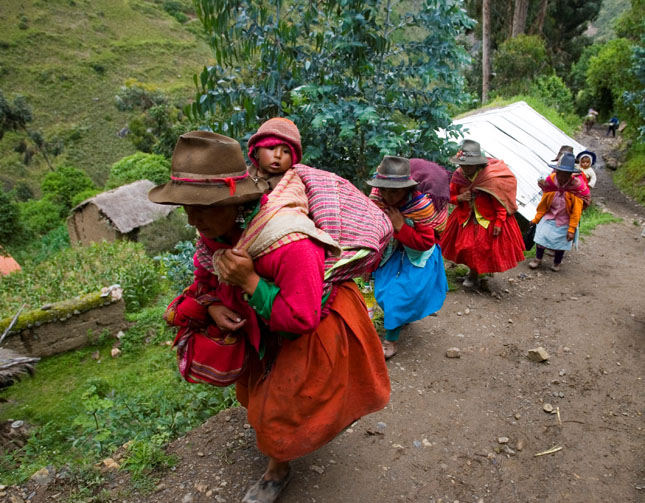
›For the past four decades, urbanization in Latin American and Caribbean countries has been on the rise. Today it’s one of the most urbanized regions of the world with 79 percent of the population living in towns and cities. By 2050, 9 out of 10 residents are expected to live in cities. This density and movement of people is critical to understanding the region’s water and climate change issues, says ECSP’s Roger Mark De Souza in this week’s podcast. -
As Glacial Floods Threaten Mountain Communities, a Global Exchange Is Fostering Adaptation
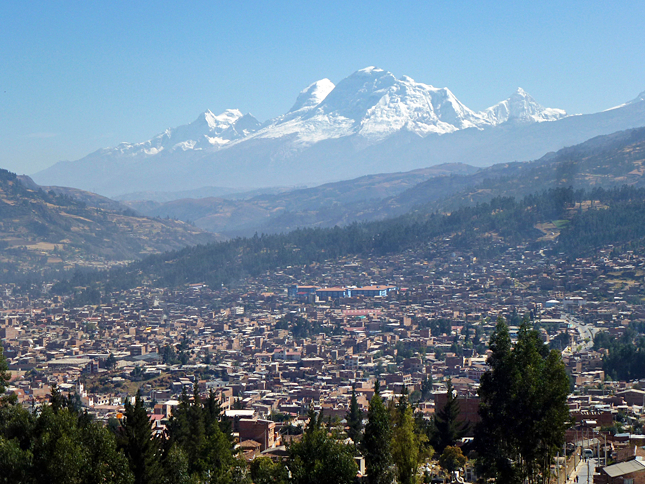
›In 1941, glacial Lake Palcacocha in the Peruvian Andes burst its moraine dam of earth and stones, sending a torrent of water through the city of Huaraz and killing an estimated 5,000 people. Between 1941 and 1950, two more glacial lake outburst floods, or GLOFs, which can occur after enough water fills in behind a glacier’s end moraine, killed another 5,000 people in the Cordillera Blanca. In response, the government set up one of the most effective glaciological units in the world with the goal of preventing future outburst floods. Using drain pipes, reinforced terminal moraine dams, sophisticated tunnels, and valve systems, they drained or contained 34 lakes in the region. As a result, thousands of lives were saved.
-
Interview With Michael Brown, UN Senior Mediation Expert in Natural Resources and Land Conflicts
›April 8, 2015 // By Linnea BennettNatural resources rarely feature during peacebuilding efforts, but there is growing evidence that’s a mistake. Unresolved natural resource management issues can make peace more fragile, while addressing them can act as a bridge toward cooperation.
Showing posts from category Peru.
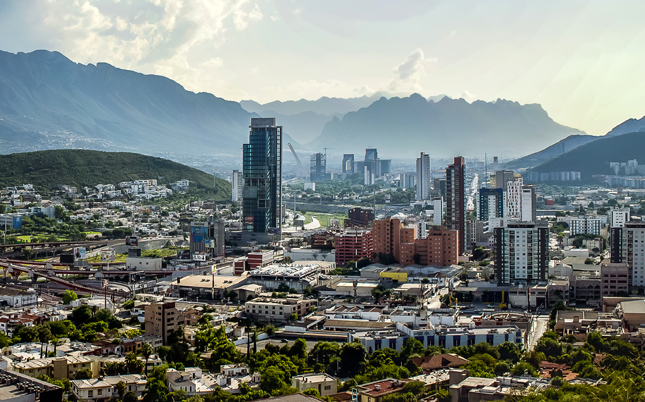
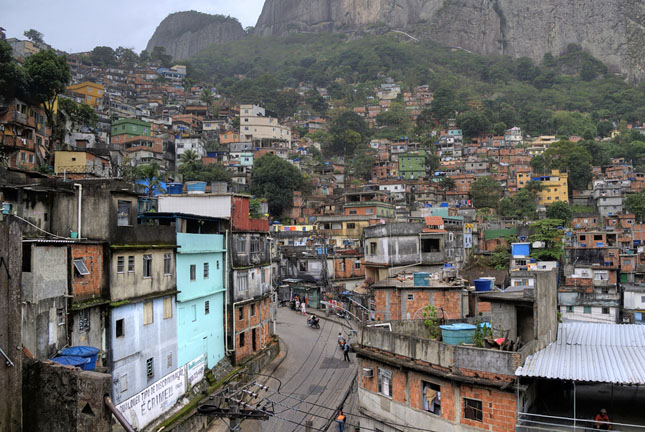
 For the past four decades, urbanization in Latin American and Caribbean countries has been on the rise. Today it’s one of the most urbanized regions of the world with 79 percent of the population living in towns and cities. By 2050, 9 out of 10 residents are