-
No REDD+ Program Is an Island: Integrating Gender Into Forest Conservation Efforts
› Since 2005, the Reducing Emissions from Deforestation and Forest Degradation program (REDD+) has functioned as a mechanism to financially incentivize the preservation of forestlands in order to reduce greenhouse gas emissions. But beyond its original use, some organizations have also started exploring ways it can help with other development initiatives, like women’s empowerment. [Video Below]
 -
The New World of Climate Suffering
›
To date, there have been two proposed responses to climate change: mitigation, aimed at stopping the buildup of greenhouse gases, and adaptation, focused on accommodating ourselves to a warmer world. There is a third option, however, that is increasingly relevant: suffering.
-
Melanie Nakagawa on Integrating Gender Into REDD+ at the Department of State and USAID
›
A central tenet of John Kerry’s time as Secretary of State has been an emphasis on climate change. In a speech in Indonesia this year, he compared the threat of changing climate conditions to terrorism and weapons of mass destruction. Though the United States has been slow to enact major climate legislation, the Department of State has developed a “road map” for responding in its own way. The REDD+ program could play a major role in this response, says Melanie Nakagawa of the department’s policy planning staff in this week’s podcast.
-
Nepal’s Micro-Hydropower Projects Have Surprising Effect on Peace Process
›The Intergovernmental Panel on Climate Change’s fifth assessment, which has been rolling out in stages since last September, confirms a crucial divide in current climate thinking: efforts to adapt and mitigate to climate change are often considered separately from the vulnerability of people.
-
Forests on Film: New Stories From Nepal and the Congo Basin
›Given growing awareness about environmental change and how it affects human life, it is perhaps not surprising there is also a growing audience for environmental filmmaking. At the 2014 Environmental Film Festival in the Nation’s Capital on March 25, the Wilson Center premiered ECSP’s latest documentary, Scaling the Mountain: Protecting Forests for Families in Nepal. Together with Heart of Iron, a recent film on mining in the Congo Basin, the event took viewers into some of the world’s most remote forests to see how their inhabitants are adapting to rapid changes in the natural resources on which they depend.
-
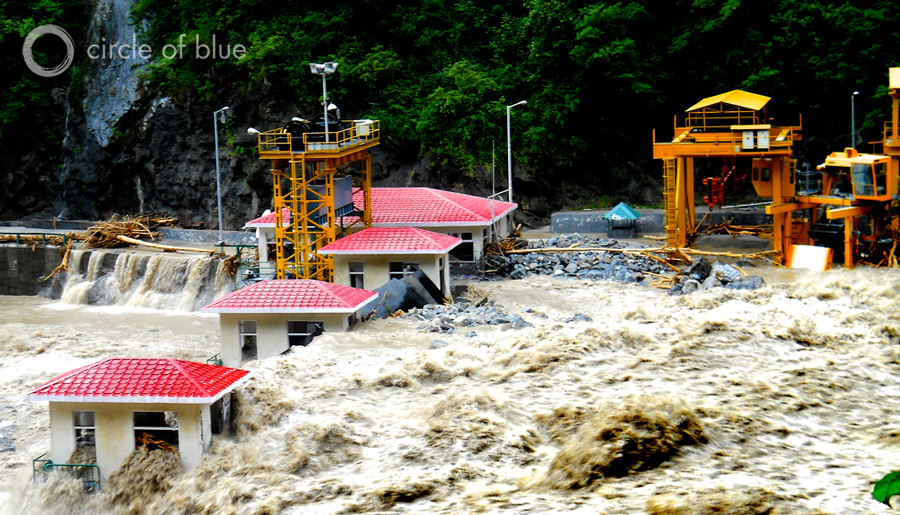
Uttarakhand’s Furious Himalayan Flood Could Bury India’s Hydropower Program
›Despite the inherent risks, India is determined to join China, Bhutan, Nepal, and Pakistan in turning the Himalayas into the Saudi Arabia of hydroelectric energy. Almost 300 big hydropower projects are under construction or proposed for India’s five Himalayan states, according to the Central Electric Authority.
-
In Nepal, Integrating Forest and Family Health Is Improving Lives
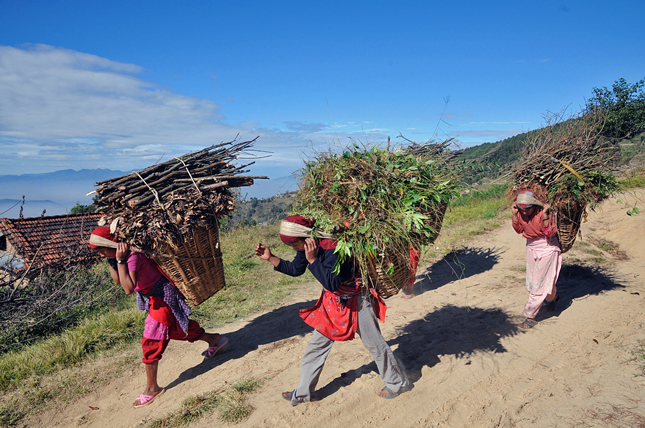
›March 24, 2014 // By Sean PeoplesFor years, the Chepang people have lived off the land in Nepal’s forested central foothills. Communities cleared trees to start small subsistence farms, harvested the surrounding area for firewood, and eventually moved on after the wood, soil, and water were depleted.
-
Susannah Fisher, International Institute for Environment and Development
In Nepal, Measuring Climate Change Resilience From the Community Up
›February 11, 2014 // By Wilson Center StaffThe original version of this article, by Susannah Fisher, appeared on the International Institute for Environment and Development.
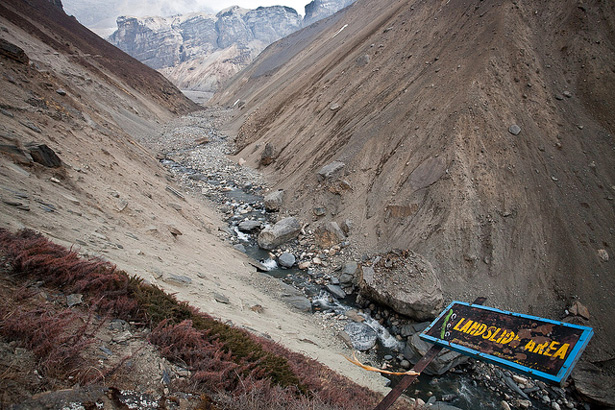
Nepal’s vulnerability to a warming climate became clear in May 2012 when the Seti River burst its banks during flash floods and landslides that killed more than 60 people. Scientists say such events are likely to become more common as the world warms, so communities need to adapt.
Showing posts from category Nepal.