• woodrow wilson center
  • ecsp

New Security Beat

Subscribe:
  • rss
  • mail-to
  • Who We Are
  • Topics
    • Population
    • Environment
    • Security
    • Health
    • Development
  • Columns
    • China Environment Forum
    • Choke Point
    • Dot-Mom
    • Friday Podcasts
    • Navigating the Poles
    • Reading Radar
  • Multimedia
    • Water Stories (Podcast Series)
    • Backdraft (Podcast Series)
    • Tracking the Energy Titans (Interactive)
  • Films
    • Water, Conflict, and Peacebuilding (Animated Short)
    • Paving the Way (Ethiopia)
    • Broken Landscape (India)
    • Scaling the Mountain (Nepal)
    • Healthy People, Healthy Environment (Tanzania)
  • Publications
  • Events
  • Contact Us

NewSecurityBeat

The blog of the Wilson Center's Environmental Change and Security Program
Showing posts from category Nepal.
  • 15 Years of Environmental Peacemaking: Overcoming Challenges and Identifying Opportunities for Cooperation

    ›
    From the Wilson Center  //  March 13, 2017  //  By Sreya Panuganti
    Laos-forest

    As the 1990s drew to a close, there was a sense that much of the momentum gained at the first Earth Summit on sustainable development, a positive, affirming environmental narrative, was waning.

    MORE
  • The Urban Disadvantage: Rethinking Maternal and Newborn Health Priorities

    ›
    Dot-Mom  //  From the Wilson Center  //  February 14, 2017  //  By Nancy Chong
    Koral-mothers

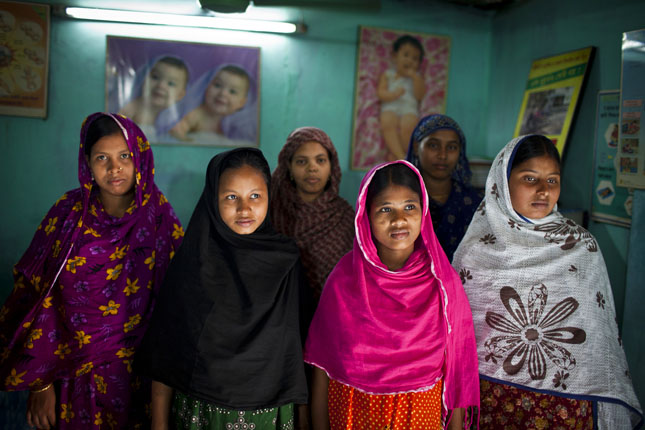
    Urbanization is changing the face of poverty and marginalization, and the maternal and newborn health field needs to change too, said a panel of experts at the Wilson Center on January 24.

    MORE
  • As Asian Luxury Market Grows, a Surge in Tiger Killings in India

    ›
    Guest Contributor  //  January 24, 2017  //  By Sharon Guynup

    The original version of this article appeared on Yale Environment 360.

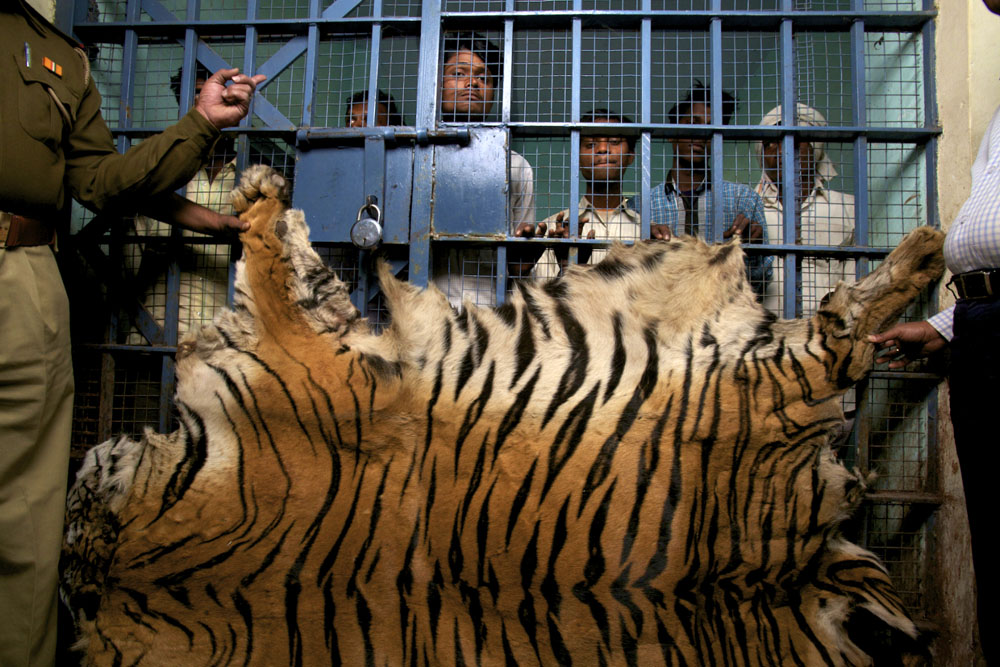
    From 1990 to 2013, the notorious tiger poacher Kuttu Bahelia and his extended family – brothers, uncles, and their wives and children – reportedly killed hundreds of tigers and leopards in the tiger-rich Indian states of Maharashtra and Karnataka, according to law enforcement informants and media reports. “Even if half that [estimate] is correct, it is still a very significant number,” says Belinda Wright, who directs the non-profit Wildlife Protection Society of India (WPSI).

    MORE
  • After the Landslide: A Closer Look at Loss and Damage in Nepal

    ›
    Guest Contributor  //  November 17, 2016  //  By Kees van der Geest & David Hewitt
    Nepal_0270a

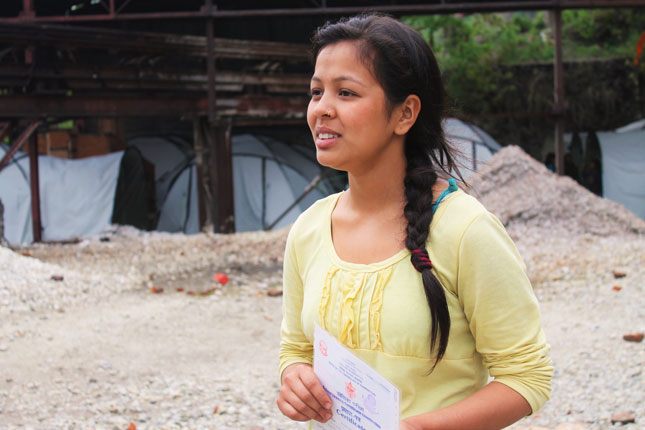
    It had been raining for two full days when the landslide came. Nirjala Adhikari vividly remembers the instant it hit her village in Sindhupalchok District, Nepal. “It was a very scary moment, and I couldn’t think of anything else than grabbing my mobile phone and my school certificate before I ran out of the house,” she recalled. “I secured my certificate because only this will help me establish a bright future.”

    MORE
  • No Mother Left Behind: How Conflict Exacerbates the Global Maternal Health Challenge

    ›
    Dot-Mom  //  November 7, 2016  //  By Nancy Chong
    AMISOM-clinic

    Since the end of World War II, the number of wars between states has declined significantly, but the number of intrastate civil conflicts – as seen in Syria and Afghanistan – has increased.

    MORE
  • Building a Case for Integrated Development: A New Research Agenda and Examples From the Field

    ›
    From the Wilson Center  //  September 20, 2016  //  By Sreya Panuganti

    Zunilda Arce (center) and young women from the Ita Guasu indigenous community in Paraguay, participate in the development of their community development plan. This activity is part of USAID’s efforts to strengthen civil society participation in municipal governance. Through its local partner Federation of Production Cooperatives (FECOPROD), USAID also works with indigenous communities to help them identify and advocate for their needs within a political context. /Luciano González, FECOPROD

    With the Sustainable Development Goals nearing their one-year anniversary, the global community continues to strive toward eradicating poverty by 2030. In order to achieve this ambitious target, many international development practitioners are embracing a more holistic approach to development, combining traditionally single-sector programming, like health or environment work, into more comprehensive efforts. But such integrated development is sometimes easier said than done.

    MORE
  • Major Water Disputes Are Often Beyond War and Peace

    ›
    Guest Contributor  //  September 19, 2016  //  By Filippo Menga & The London Water Research Group
    Israel-Palestine

    Early this June, the Israeli government cut off drinking water to people living in the Salfit region of the West Bank and three villages east of Nablus. The consequences have been dire. Thousands of Palestinians have been left with no running water in their homes, and factories have been forced to shutter. The power imbalance that leaves Palestinians so vulnerable to Israeli turns of the valve plays out every year, made possible by Israel’s occupation of the water-rich Golan Heights in 1967. What is perhaps most surprising is that the situation persists.

    MORE
  • The Unpredictability of Climate Impacts on River Flows, and the Need for Disaster Aid Reform

    ›
    Reading Radar  //  September 9, 2016  //  By Lynae Bresser

    pnas1A study published in PNAS highlights the unpredictability of the impacts of climate change on water resources by comparing detailed simulations in mountain areas of Chile and Nepal. Authors Silvan Ragettli, Walter W. Immerzeel, and Francesca Pellicciotti study the response of river flows to a significant decline in glacier areas in the Juncal catchment of Chile and the Langtang catchment of Nepal at higher spatiotemporal resolutions than any previous study.

    MORE
Newer Posts   Older Posts
View full site

Join the Conversation

  • RSS
  • subscribe
  • facebook
  • G+
  • twitter
  • iTunes
  • podomatic
  • youtube
Tweets by NewSecurityBeat

Trending Stories

  • unfccclogo1
  • Pop at COP: Population and Family Planning at the UN Climate Negotiations

Featured Media

Backdraft Podcast

play Backdraft
Podcasts

More »

What You're Saying

  • Volunteers,At,The,Lagos,Food,Bank,Initiative,Outreach,To,Ikotun, Pan-African Response to COVID-19: New Forms of Environmental Peacebuilding Emerge
    Rashida Salifu: Great piece 👍🏾 Africa as a continent has suffered this unfortunate pandemic.But it has also...
  • A desert road near Kuqa An Unholy Trinity: Xinjiang’s Unhealthy Relationship With Coal, Water, and the Quest for Development
    Ismail: It is more historically accurate to refer to Xinjiang as East Turkistan.
  • shutterstock_1779654803 Leverage COVID-19 Data Collection Networks for Environmental Peacebuilding
    Carsten Pran: Thanks for reading! It will be interesting to see how society adapts to droves of new information in...

What We’re Reading

  • Rising rates of food instability in Latin America threaten women and Venezuelan migrants
  • Treetop sensors help Indonesia eavesdrop on forests to cut logging
  • 'Seat at the table': Women's land rights seen as key to climate fight
  • A Surprise in Africa: Air Pollution Falls as Economies Rise
  • Himalayan glacier disaster highlights climate change risks
More »
  • woodrow
  • ecsp
  • RSS Feed
  • YouTube
  • Twitter
  • Facebook
  • Home
  • Who We Are
  • Publications
  • Events
  • Wilson Center
  • Contact Us
  • Print Friendly Page

© Copyright 2007-2021. Environmental Change and Security Program.

Woodrow Wilson International Center for Scholars. All rights reserved.

Developed by Vico Rock Media

Environmental Change and Security Program

Woodrow Wilson International Center for Scholars

Ronald Reagan Building and International Trade Center

  • One Woodrow Wilson Plaza
  • 1300 Pennsylvania Ave., NW
  • Washington, DC 20004-3027

T 202-691-4000