-
8 Rules of Political Demography That Help Forecast Tomorrow’s World
›In a world rapidly churning out unpredictable political shocks, intelligence analysts occasionally need to clear their heads of the daily barrage of newsworthy events and instead work with simple theories that discern the direction and speed of trends and help predict their outcomes. Political demography, the study of population age structures and their relationships to political trends and events, has helped some analysts predict geopolitical changes in a world that, from time to time, appears utterly chaotic.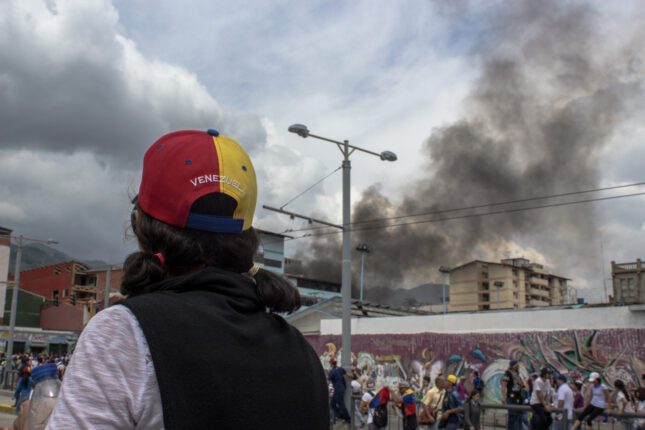
-
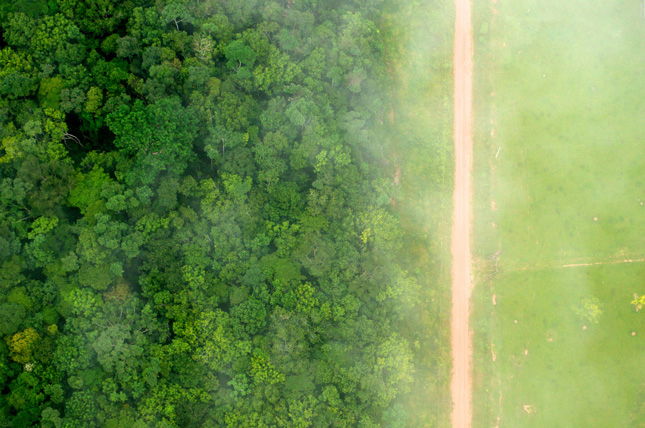
Social Justice or Forest Conservation? Cross-Regional Comparisons Reveal a False Trade-Off
›
The present understanding of the relationship between environmental conservation and social justice, two of the greatest challenges of our times, is fraught with multiple confusions, especially in the context of developing countries.
-
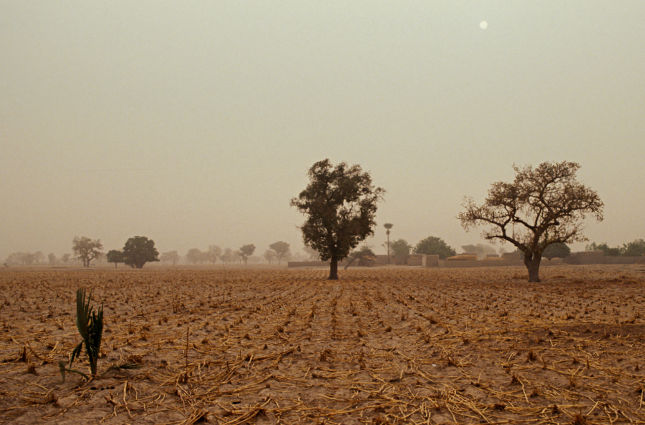
Risk, But Also Opportunity in Climate Fragility and Terror Link
›In a recent article for New Security Beat, Colin Walch made the case that the abandonment of some communities in Mali to deal with climate change on their own has created “fertile ground” for jihadist recruitment. In a similar argument, Katharina Nett and Lukas Rüttinger in a report for adelphi asserted last month that “large-scale environmental and climatic change contributes to creating an environment in which [non-state armed groups] can thrive and opens spaces that facilitate the pursuit of their strategies.”
-
A Changing Environment Threatens Worker Safety and Productivity
›May 11, 2017 // By Sara MerkenThe implications for a warmer climate are many, but perhaps one of the most frequently overlooked is what it could mean for worker safety and productivity in certain sectors of the global economy.
-
15 Years of Environmental Peacemaking: Overcoming Challenges and Identifying Opportunities for Cooperation
›As the 1990s drew to a close, there was a sense that much of the momentum gained at the first Earth Summit on sustainable development, a positive, affirming environmental narrative, was waning.
-
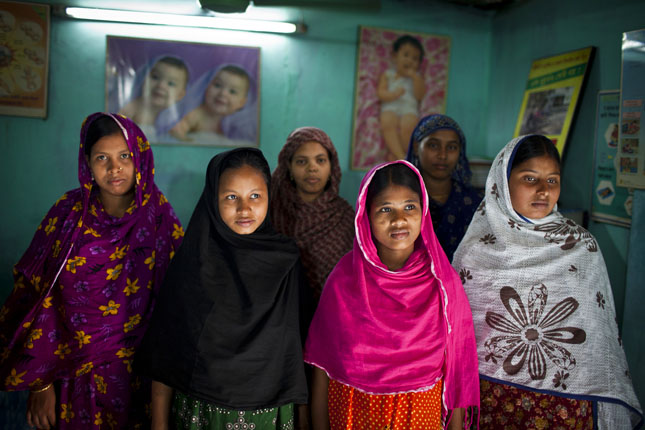
The Urban Disadvantage: Rethinking Maternal and Newborn Health Priorities
›Urbanization is changing the face of poverty and marginalization, and the maternal and newborn health field needs to change too, said a panel of experts at the Wilson Center on January 24.
-
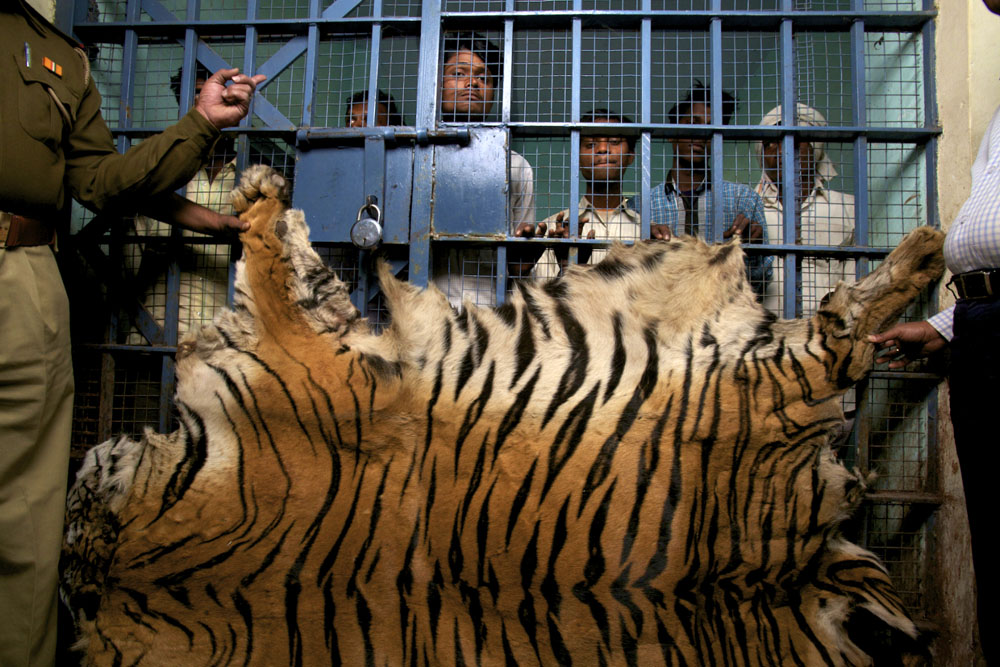
As Asian Luxury Market Grows, a Surge in Tiger Killings in India
›From 1990 to 2013, the notorious tiger poacher Kuttu Bahelia and his extended family – brothers, uncles, and their wives and children – reportedly killed hundreds of tigers and leopards in the tiger-rich Indian states of Maharashtra and Karnataka, according to law enforcement informants and media reports. “Even if half that [estimate] is correct, it is still a very significant number,” says Belinda Wright, who directs the non-profit Wildlife Protection Society of India (WPSI).
-
After the Landslide: A Closer Look at Loss and Damage in Nepal
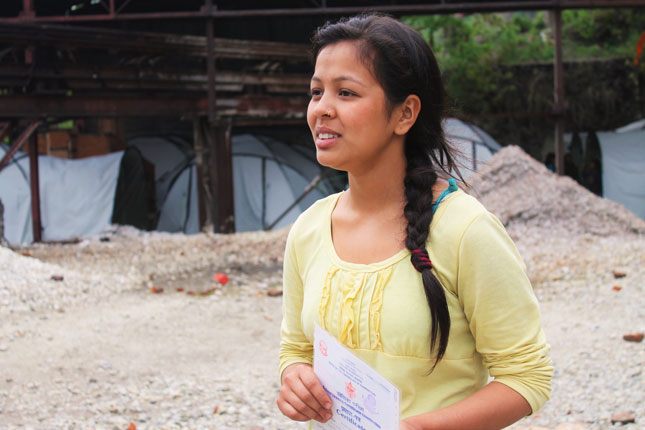
›It had been raining for two full days when the landslide came. Nirjala Adhikari vividly remembers the instant it hit her village in Sindhupalchok District, Nepal. “It was a very scary moment, and I couldn’t think of anything else than grabbing my mobile phone and my school certificate before I ran out of the house,” she recalled. “I secured my certificate because only this will help me establish a bright future.”
Showing posts from category Nepal.