-
The Sahel Beyond the Headlines: Underlying Demographic, Environmental Trends Erode Resilience
›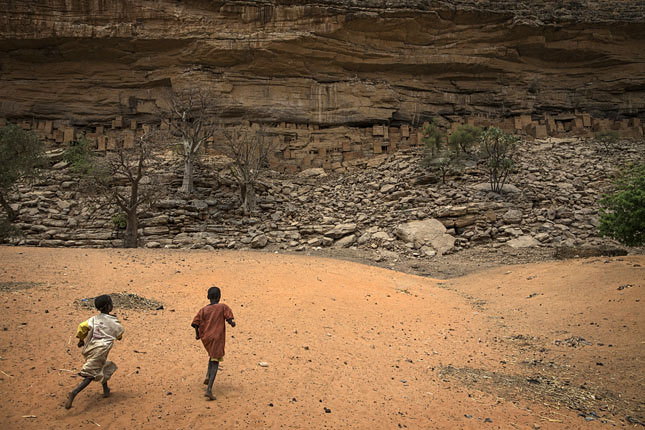
Between the Sahara to the north and savanna to the south lies the semi-arid Sahel, a region stretching from Senegal to Sudan that has experienced desperate poverty, climate change, malnutrition, and violence. While every context is different, the Sahelian countries share some common challenges, including a pattern of recurring crises and fluid borders. Boko Haram’s reign of terror in northern Nigeria and Mali’s coup have both had cross-border components. [Video Below]
-
USAID’s Sylvia Cabus on the Sahel: “We Help Farmers…and Their Husbands”
›
In the Sahel, one of the most food-stressed regions of the world, “women bear the brunt in terms of coping mechanisms that are employed at the community level,” says Sylvia Cabus, gender advisor for USAID’s Bureau for Food Security, in this week’s podcast.
-
What’s Behind West and Central Africa’s Youthful Demographics? High Desired Family Size
›May 11, 2015 // By Elizabeth Leahy MadsenSub-Saharan Africa is often characterized as an outlier in terms of population dynamics and reproductive health. While women are having fewer children around the world, even prompting some places to begin worrying about aging populations, the demographic transition is proceeding more slowly in Africa. Fertility rates in North and Southern Africa have declined to around three children per woman, but the three other sub-regions of the continent – East, Central, and West Africa – retain much higher fertility, between five and six children per woman. Whether, and how quickly, fertility rates decline in these regions over the next few decades will in large part determine the peak of world population. These regions’ demographic trajectories also have important implications for health, governance, food security, economic development, land use, climate vulnerability, and even security.
-
As Humanitarian Crises Multiply, Maternal Health and Safety of Women Becoming a Focus
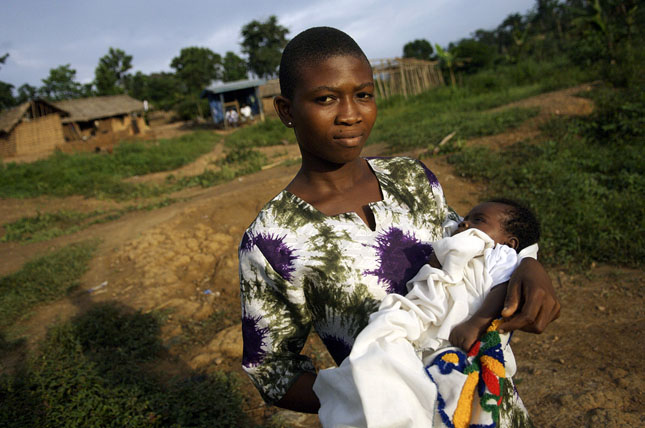
›Accessing maternal health care is already a challenge in many countries, and when conflict erupts or a disaster strikes, it can get even worse, leaving millions of women on their own while at their most vulnerable, said Ugochi Daniels, chief of humanitarian response for the UN Population Fund (UNFPA). Women and girls also become more vulnerable to violence during times of crisis, she said, by virtue of nothing but their gender. [Video Below]
-
Necessary Partners: The Sahel Shows Why Development and Resilience Efforts Can’t Forget Men
›One-third of boys in the developing world don’t face the risk of marriage and pregnancy before age 18. There are no laws preventing men from owning land or property. Men don’t bear the brunt of increasingly frequent and severe disasters. And men don’t hold fewer than 25 percent of parliamentary seats worldwide.
-
Not Just Climate Change: Marcel Leroy on How Demography Contributes to Africa’s Scarcity Problems
›
The Sahel has endured multiple debilitating food crises over the last five years and climate change has often been fingered as the culprit. But it is important to equally consider the amplifying effects of demographic trends on resource scarcity, says the University of Peace’s Marcel Leroy in this week’s podcast.
-
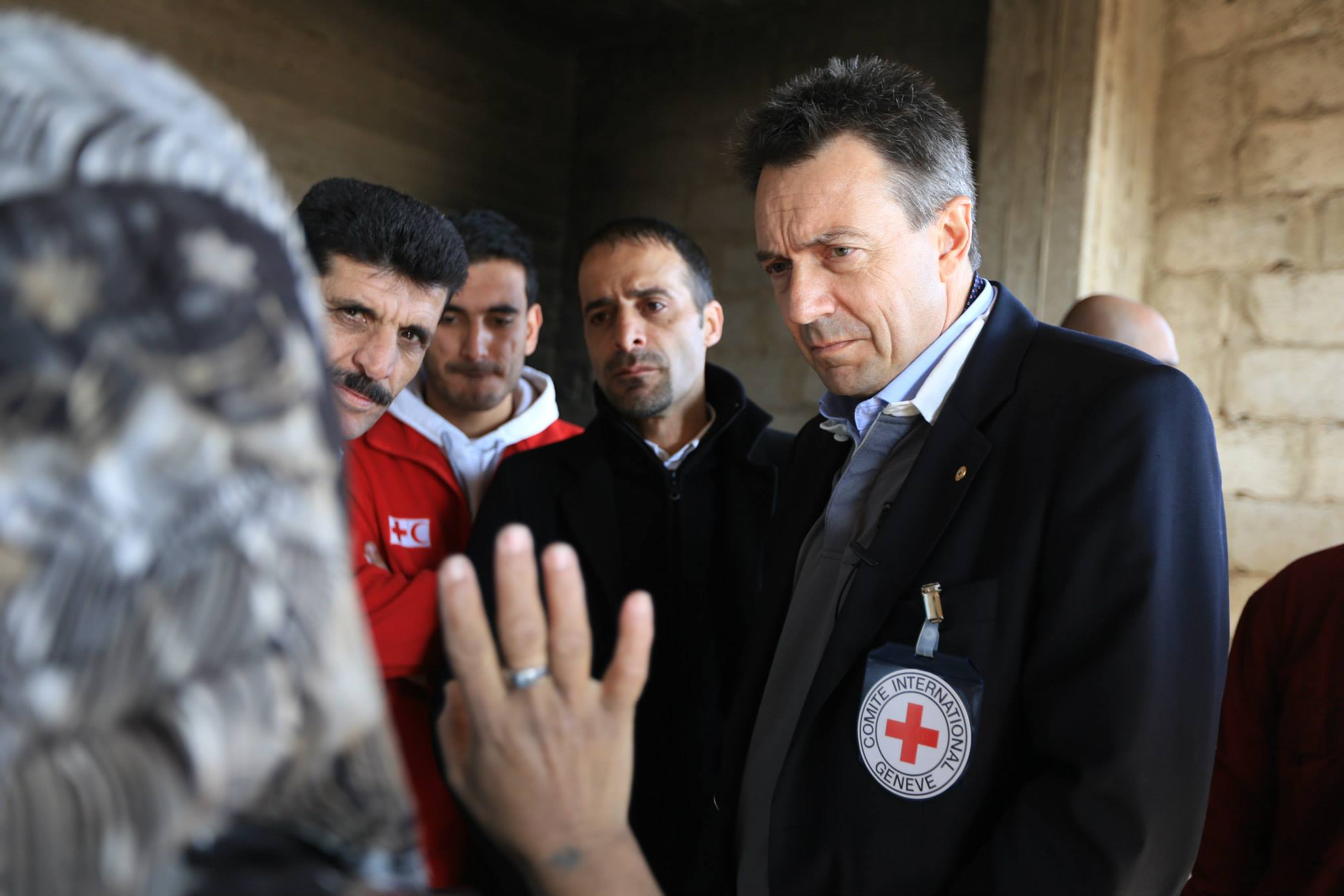
The Red Cross’s Peter Maurer on New Challenges for Humanitarian Aid
›Last year, the International Committee of the Red Cross (ICRC) celebrated 150 years of their mission to “protect the lives and dignity of victims of war and internal violence.” Though this mission hasn’t changed in the past century-and-a-half, the nature of conflict and crisis response has. [Video Below]
-
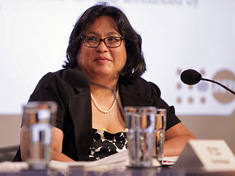
Kathleen Mogelgaard, Aspen Institute
Hungry, Hot, and Crowded: The Importance of Multi-Dimensional Strategies for Resilience
›May 6, 2014 // By Wilson Center StaffIn a world faced with rising temperatures, increasingly severe droughts and floods, and a rapidly growing population, how can people adapt to this new way of life – and even thrive? Leading experts discussed this question in-depth during an Aspen Institute Global Health and Development Program event titled, “Building Resiliency: The Importance of Food Security and Population.” The panel took place as part of the Civil Society Policy Forum at the 2014 IMF/World Bank Spring Meetings in Washington, DC.
Showing posts from category Mali.