-
Somini Sengupta, The New York Times
Heat, Hunger, War Force Africans Onto a “Road on Fire”
›December 16, 2016 // By Wilson Center Staff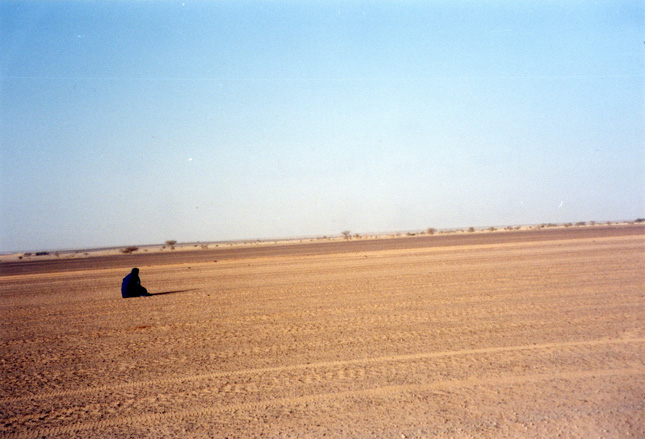
AGADEZ, Niger — The world dismisses them as economic migrants. The law treats them as criminals who show up at a nation’s borders uninvited. Prayers alone protect them on the journey across the merciless Sahara.
-
Masculinity Under the Microscope: Better Accounting for Men in Climate Adaptation
›December 13, 2016 // By Anam Ahmed
“Before the famine my life was better. I was a man in my own country,” Abdi Abdullahi Hussein, a Somali refugee living in Kenya, tells The Climate Reality Project. “When you have livestock and a farm and it all disappears, it feels like falling off a cliff.”
-
Pathways to Climate-Smart Agriculture in Africa
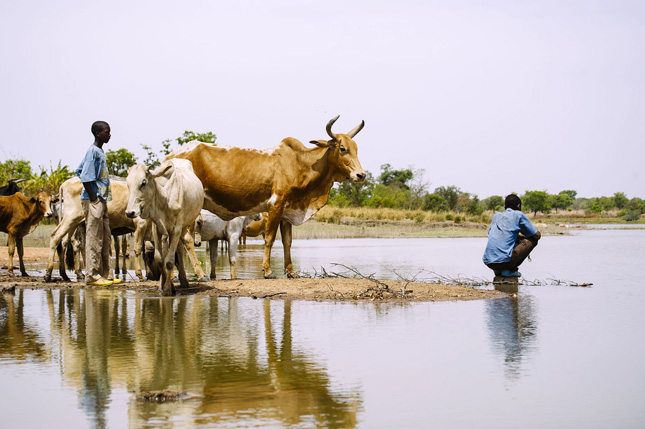
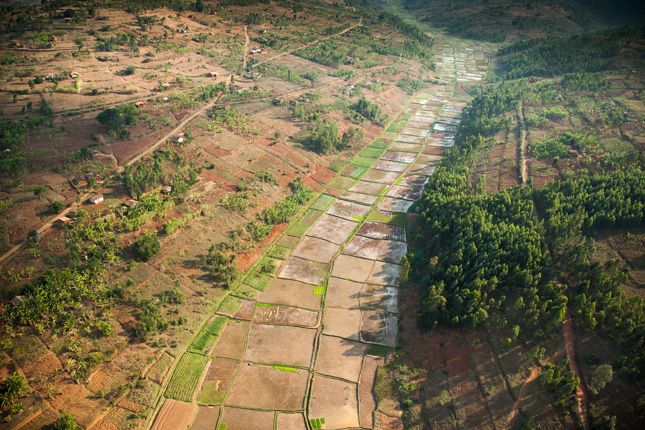
›“Climate change and food insecurity are the twin crises that may define Africa’s future,” said the World Bank’s Ademola Braimoh at the Wilson Center on September 13. One proposed solution is so-called “climate-smart agriculture” (CSA), an approach to farming that aims to mitigate the negative impacts of climate change while increasing agricultural production and income. But according to a panel of experts, smallholder farmers around the world have either been slow to adopt CSA practices or failed to sustain their usage over time.
-
Calming the Waters: Why We Need to Better Integrate Climate and Water Policy
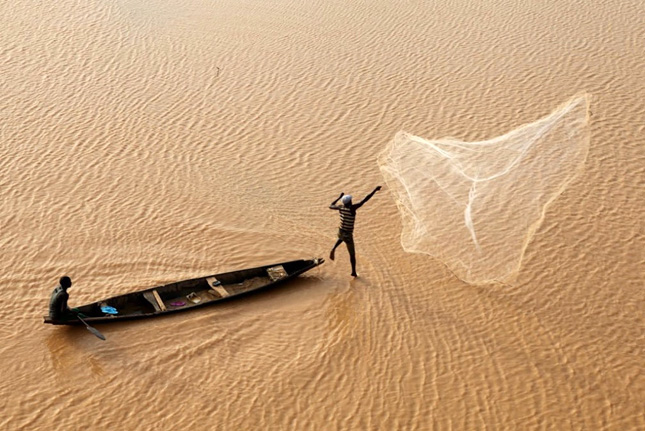
›The Nile River is shared by 11 countries, for which it is vital for food and energy production, freshwater, and as a means of transportation. Sharing the resources of the Nile has, however, been politically difficult. Recently, the construction of the Grand Ethiopian Renaissance Dam has caused a major dispute with downstream Egypt which fears the dam will affect water flow in its own territory.
-
When Climate Change Exacerbates Conflict, Women Pay the Price, Says Mayesha Alam
›Climate change has the potential to exacerbate conflict and political instability, and women will pay a steeper price than their male counterparts when it does, says Mayesha Alam, associate director of the Georgetown Institute for Women, Peace, and Security, in this week’s podcast. -
Rachel Stern, Thomson Reuters Foundation
Despite Rising Concern, Climate Change Often Put on Back Burner in Conflict Zones
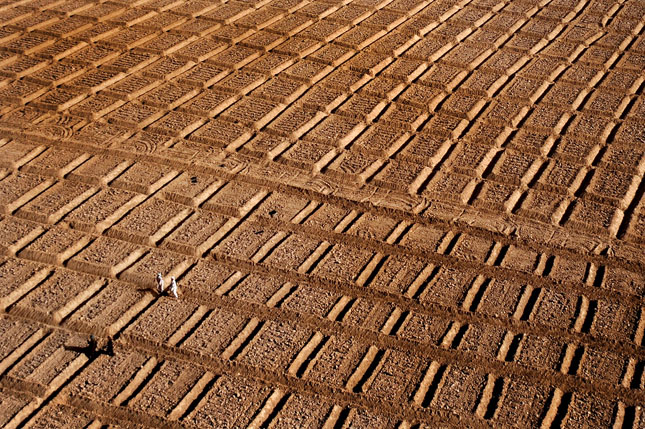
›October 23, 2015 // By Wilson Center StaffBarren barley and wheat fields stretch across the dry landscape of northern Afghanistan, the result of persistent drought and flash flooding that has left thousands of people facing food shortages and loss of work.
-
Iatrogenic Fistula on the Rise as More Women Gain Access to Surgery
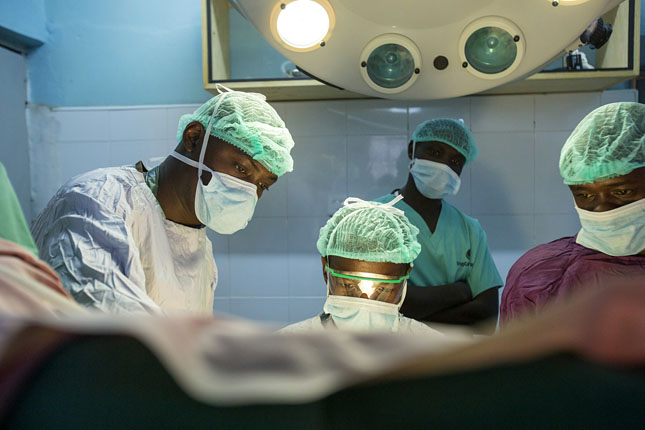
›Obstetric fistula is a devastating childbirth injury caused by prolonged obstructed labor. It can lead to incontinence and infection, social stigmatization as others recoil in horror, and even mental illness. Between 50,000 to 100,000 women each year are affected by it – and it’s entirely preventable with proper medical attention.
-
As African Cities Grow, Rural-Urban Divides Widen Too
›In 2007, the world crossed a threshold: for the first time in human history, the majority of people lived in urban areas. Today, Africa and Asia are the only remaining continents where the rural population outnumbers urban, but they are urbanizing at unprecedented rates. This rapid growth is a double-edged sword. While urbanization spurs economic opportunity and often increases access to infrastructure, it is also widening disparities in health and development, according to a new data sheet by the Population Reference Bureau.
Showing posts from category Mali.
 Climate change has the potential to exacerbate conflict and political instability, and women will pay a steeper price than their male counterparts when it does, says Mayesha Alam, associate director of the