

-
A Chronic Crisis, Now Acute: WWF’s Recommendations for the First U.S. Global Water Strategy
›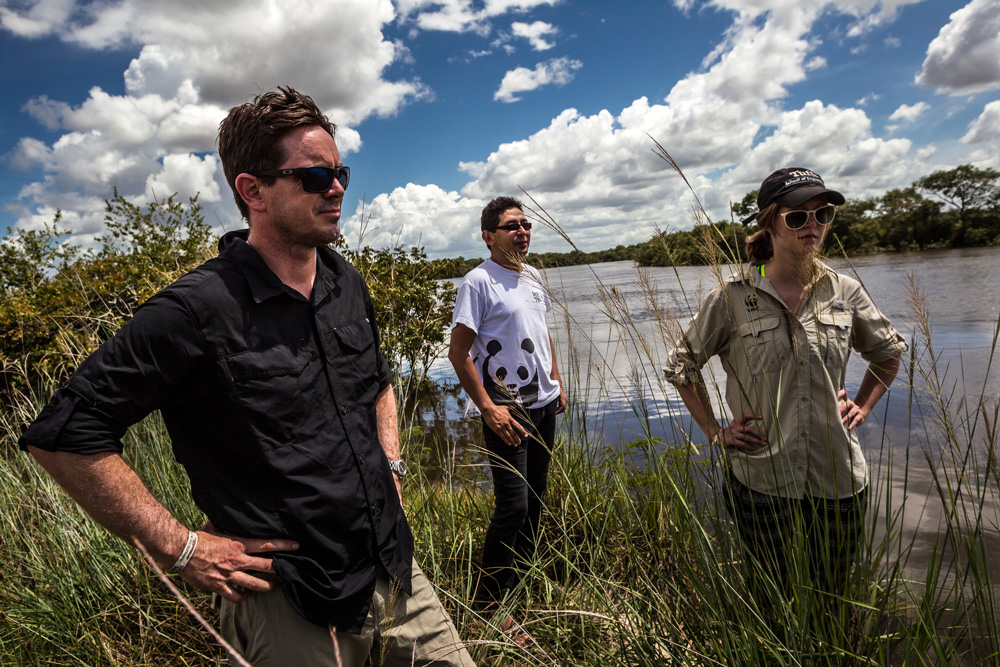
The intelligence community’s landmark Global Water Security assessment in 2012, warned of major water-driven challenges to U.S. national security. The combined assessment of several intelligence agencies foresaw many challenges to U.S. policy objectives and national security arising from protracted drought, declining water quality, and more natural disasters in countries important to U.S. interests. The intelligence community further warned of rising social instability, cross-border tensions, and a steady drain of resources away from other development objectives. These warnings have proven prescient.
-
Midwives’ Voices, Midwives’ Realities: Results From the First Global Midwifery Survey
›
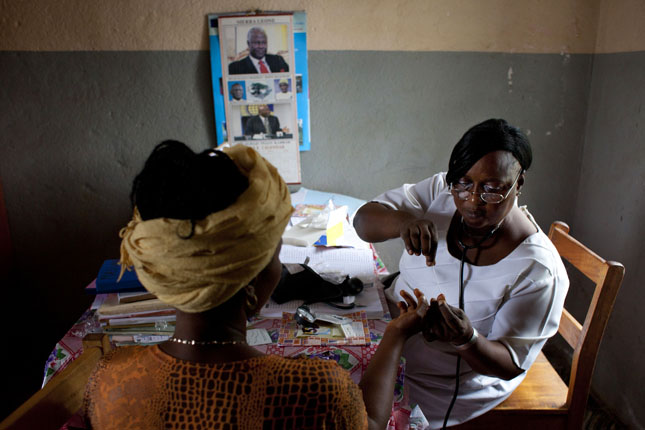
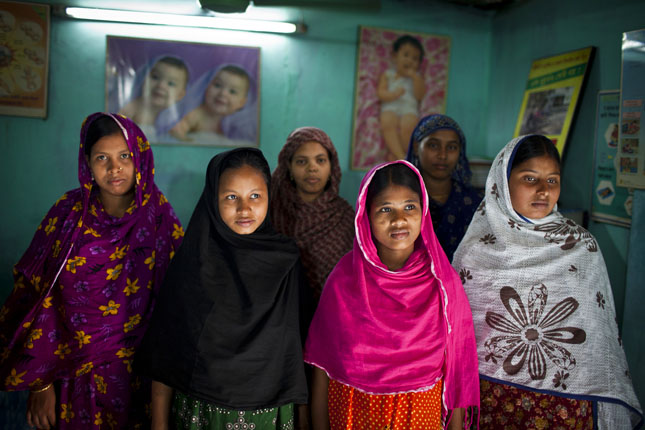
“Midwives play a vital role in the health care of mothers and babies,” said Samara Ferrara, a midwife from Mexico, at the Wilson Center on February 27. But in many parts of the world they face a confluence of stressors that make working conditions miserable: low and irregular pay; harassment and disrespect from both patients and doctors; and little supplies, training, or say in the policy dialogue about maternal health.
-
Michael Kimmelman, The New York Times
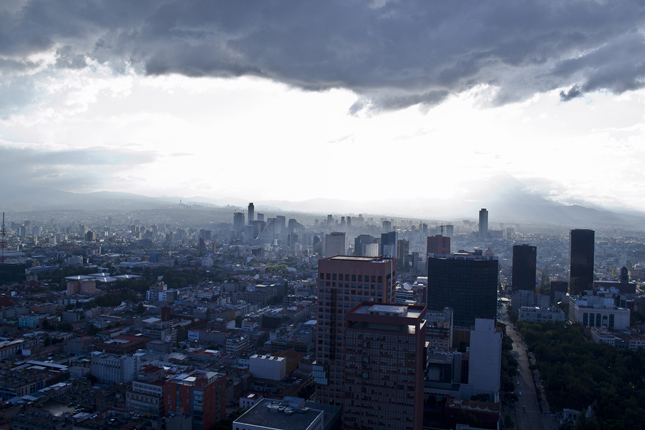
Mexico City, Parched and Sinking, Faces a Water Crisis
›February 20, 2017 // By Wilson Center StaffMEXICO CITY – On bad days, you can smell the stench from a mile away, drifting over a nowhere sprawl of highways and office parks.
-
Elizabeth Devitt, Mongabay
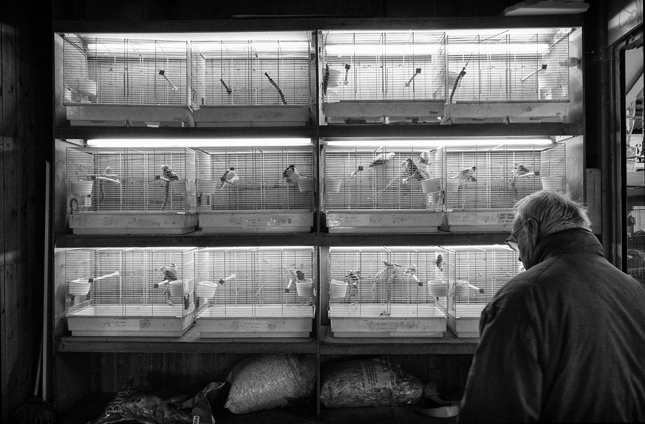
Getting a Grip on an Unlikely Threat to Biodiversity: The Pet Trade
›February 16, 2017 // By Wilson Center StaffThe legal commercial exotic animal trade is a booming enterprise that ships ornamental fish, mammals, birds, reptiles and amphibians around the world. These pets, livestock and other animals can carry unexpected infectious diseases from their homelands. If these non-native species escape or are released to the wild, they can create epidemics among susceptible endemic wildlife.
-
The Urban Disadvantage: Rethinking Maternal and Newborn Health Priorities
›Urbanization is changing the face of poverty and marginalization, and the maternal and newborn health field needs to change too, said a panel of experts at the Wilson Center on January 24.
-
Torn Social Fabric: Water, Violence, and Migration in Central America
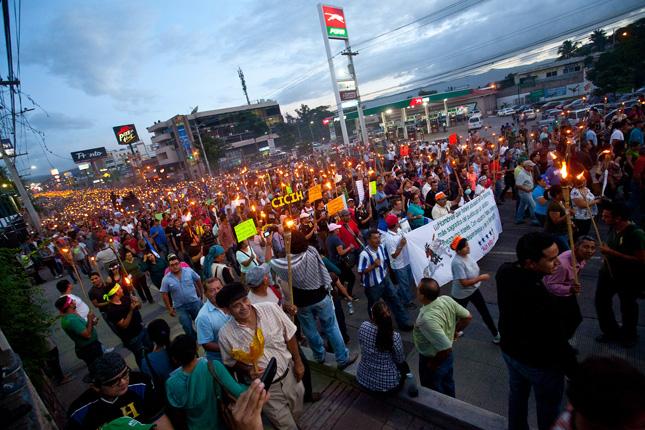
›In the first half of last year, 26,000 unaccompanied children were apprehended by U.S. law enforcement trying to cross the southern border. Most came from Central American states like El Salvador, Guatemala, and Honduras. Such displacement is just the tip of the iceberg in terms of migration in the region. Many more are moving from rural to urban areas and into neighboring countries seeking opportunity and fleeing violence.
-
Global Water and National Security: Why the Time Is Now
›During the 2016 campaign President Trump stated that clean water would be a top priority of his administration, telling ScienceDebate.org “it may be the most important issue we face as a nation for the next generation.” Now is the time to make good on that commitment.
-
Vice-President Eduardo Stein on Water Conflict in Guatemala: Origins and Solutions
›Since 2014, Central America has experienced a dramatic lack of rainfall, destroying grain crops and killing cattle. As of last summer, 2.8 million people were impacted by drought and 900,000 were at risk of malnutrition in Guatemala alone. The effects of environmental change have been especially acute in Guatemala because they are layering on top of existing dysfunction and instability, says Former Vice-President of Guatemala (2004-2008) Eduardo Stein in this week’s podcast.
Showing posts from category Latin America.
 Since 2014, Central America has experienced a dramatic lack of rainfall,

