-
Alison Brysk: Urbanization, Economic Change Hidden Drivers of Gender-Based Violence
›
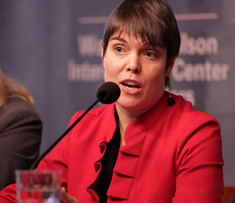
Gender-based violence in developing countries is more than just a product of culture, war, extreme poverty, or historical patriarchy; it’s also a result of rapid economic change and urbanization, according to Alison Brysk, a fellow at the Wilson Center and the Mellichamp professor of global governance at the University of California, Santa Barbara.
-
For Environmental Peacebuilding and Development Work, Collaboration Pays Dividends
›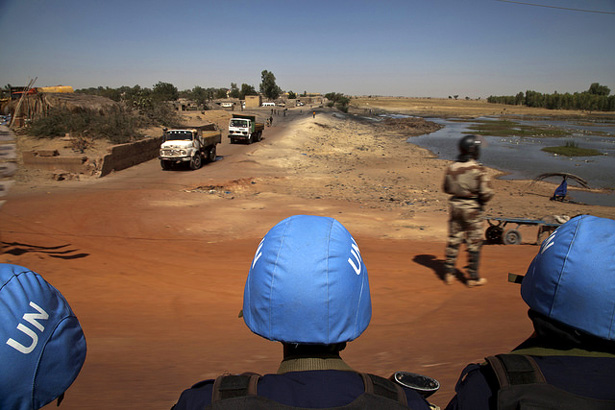
Many recurring problems in natural resource management are the result of missing a key point: ecosystems and human systems are inextricably linked and dynamic, changing constantly. We are part of a socio-ecological system, not external to it, as many previously thought. In the “age of man” – the Anthropocene, as some scientists call the current era – cross-sectoral collaboration is needed to make substantial headway in tackling complex challenges, such as natural resource-related conflict and climate change.
-
Tamil Kendall: Fighting Discrimination for the Rights of HIV-Positive Women in Latin America
›
HIV-positive persons in all segments of society face intense marginalization, but the effect is immensely compounded for women and expecting mothers. In Mexico, El Salvador, Honduras, and Nicaragua, where at least 57,000 women are living with HIV, the stigmatization is so great that many are denied basic reproductive rights, says Harvard University’s Tamil Kendall in this week’s podcast, from the Maternal Health Initiative.
-
David Canning: Africa’s High Fertility Can Change Quickly, Help Harness the Demographic Dividend
›
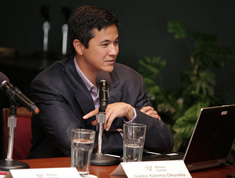
Compared to East Asia and Latin America, the “demographic transition” in Africa has been slower to date, prolonging periods of rapid growth and creating very youthful populations. But, explains David Canning in this week’s podcast, “the high level of fertility in Africa doesn’t seem to be something that is set in stone.”
-
From Malthus to Ehrlich and Beyond: William Pan on the Roots of PHE
›
More than four decades ago, Paul Ehrlich and John Holdren said complacency concerning the impact of human population growth is “unjustified and counterproductive.” More than 200 years ago, Thomas Malthus made the case that “the way we have to reduce the birth rate is family planning and delaying marriage, [thus] expanding the number of years between births,” says Duke University’s William Pan in this week’s podcast.
-
For Fast-Growing Countries, Should Aging Be a Concern? Planning for the Second Demographic Dividend
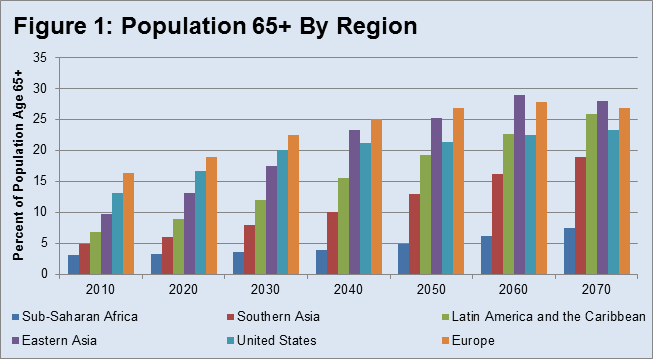
›September 10, 2013 // By Elizabeth Leahy MadsenPopulation aging and decline are frequently described as a threat to countries’ economic development and social stability. Evocative language, such as “demographic winter” and “graying of the great powers,” portrays the serious consequences that many observers envision as fertility and growth rates decline and the elderly comprise a greater percentage of the population. These concerns reach around the globe, including in Africa, which has the lowest percentage of elderly among the world’s major regions.
-
Development vs. Conservation: Global Trends in the Battle Over Oil in Ecuador’s Yasuní Rainforest
›Ecuador, the OPEC member with the smallest amount of proven oil reserves, has gained outsized attention in the debate over the future of oil extraction in recent days and may well play a decisive role in the outcome of the global tension between economic development and environmental conservation.
-
Codi Yeager-Kozacek, Circle of Blue
Water a Key Issue As Developing Countries Drive Growth in Global Food Production
›August 22, 2013 // By Wilson Center StaffThe original version of this article, by Codi Yeager-Kozacek, appeared on Circle of Blue.
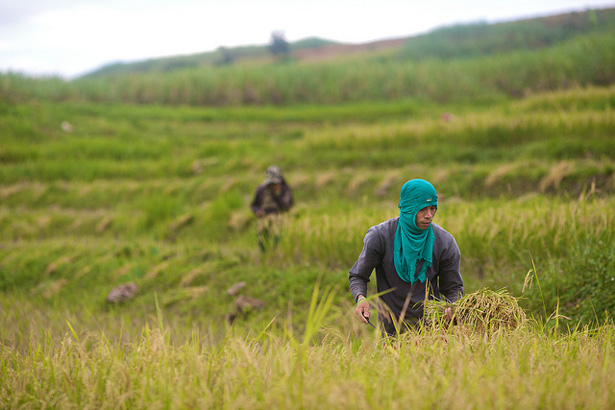
Developing countries will account for much of the world’s growth in agricultural production, demand, and trade during the next decade, as production growth in developed countries slows, according to reports from leading food policy organizations. The shift will pose challenges for the quality and abundance of water supplies in regions like South America, Asia, and Africa.
Showing posts from category Latin America.