-
Climate Finance as a Tool for Global Stability
›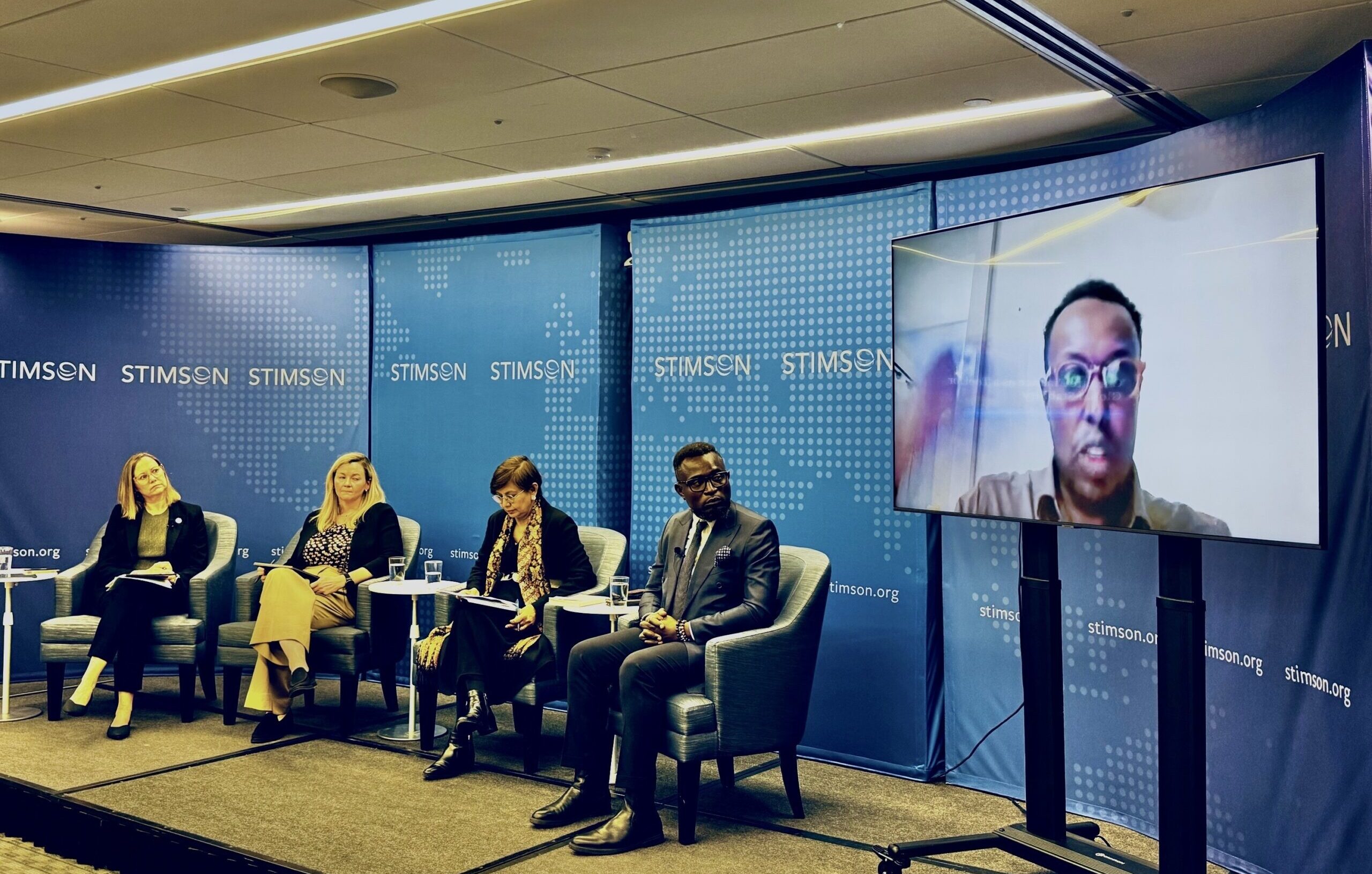
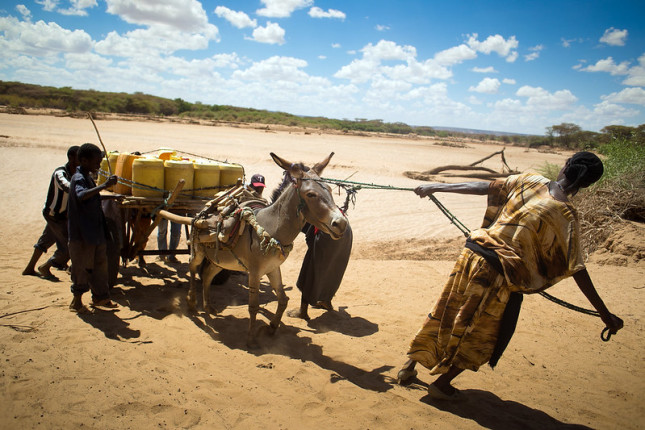
The relationship between climate vulnerability and political instability is clear. Twenty-two of the 30 countries ranked as the most vulnerable to climate change in 2025 also were categorized as fragile and/or conflict affected. Within this contexts, the need for solutions that address the intersection of climate risks and instability is increasingly dire.
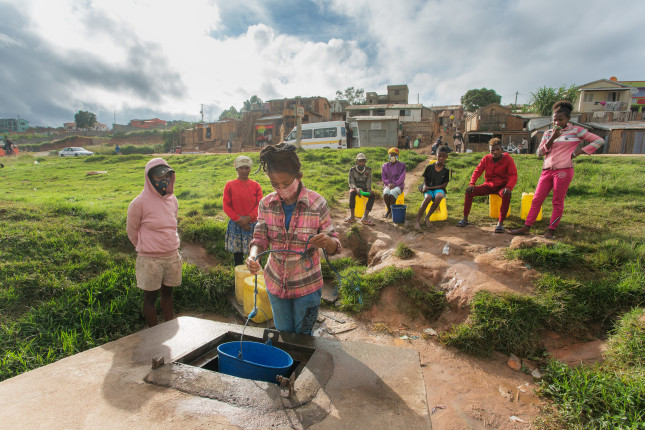
A recent Stimson Center event hosted with the Green Climate Fund (GCF)—Climate Finance as a Tool for Global Stability—examined how early climate investments in climate adaptation, food systems, and water security can reduce the risk of conflict and displacement.
-
Environmental Security Weekly Watch: April 20-24, 2026
›
A window into what we’re reading in the Stimson Center’s Environmental Security Program
The Bolivian Cacao Farmers Taking on the Gold-Mining Industry (The Guardian)
Cacao farmers in Bolivia’s Alto Beni and Palos Blancos municipalities successfully pushed for local mining bans in 2021, protecting their organic agroforestry land from the destructive gold rush sweeping the region. Gold prices are up over 64% since 2020—intensifying illegal and legal mining across Bolivia, driving deforestation, mercury poisoning, flooding, and encroachment into protected national parks. Communities near active mining zones report polluted rivers, declining fish populations, and mercury-related illnesses.
-
Weaving Baskets of Change: Women Organizing in Kenya’s Fisheries and Aquaculture
›Mildred is a fish trader in Kenya. I met her a few years ago, when I was conducting research. (“Mildred” is not her real name; I promised all my participants anonymity as I worked.) She mentors, trains, and educates young women on how to dry, gut, fry fish, and run successful fish businesses.
-
Fishing for Equity and Inclusion: Women’s Socioeconomic Factors in Kenyan Fisheries
›August 29, 2022 // By Margaret GatonyeSeeing Loreta sort and dry her Omena sardines at the shores of Lake Victoria in Western Kenya, one may dismiss this small, middle-aged woman as an ordinary fishmonger struggling to earn a living. -
From Rhetoric to Response: Addressing Climate Security with International Development
›Over the past decade, our understanding of how climate change affects conflict and security has advanced considerably. Yet, how to best address the overlapping challenges of climate change, conflict, and human security remains an open question. In an article published in World Development, I address this topic by examining how climate security discourses inform development policy and, in turn, how the structures of development enable or constrain institutional capacity to address climate security. This research identifies not only the unique barriers the development sector must overcome, but also the ways in which the most common framings of climate change (i.e., as a threat multiplier) limit the scope for policy and programming.
-
Pandemic Brings WASH to Rare Inflection Point: Despite Fears of Collapse, Water, Sanitation, and Hygiene Draw Closer to Epic Goal
›Until 2016, the agrarian residents of east Kenya’s Kitui county had never encountered a water quality monitor like Mary Musenya. Wearing a bright blue company jersey and furnished with sample bottles and plastic trays, the young Kenyan is a water safety officer for FundiFix, a tiny rural water supply service company. She is one of 20 staff who manage 130 pumps, plus pipes and water tanks that serve 82,000 people across a 1,000 square-mile service area in Kitui and Kwale counties.
-
Ensuring Essential Health Care for Mothers and Newborns During the Pandemic
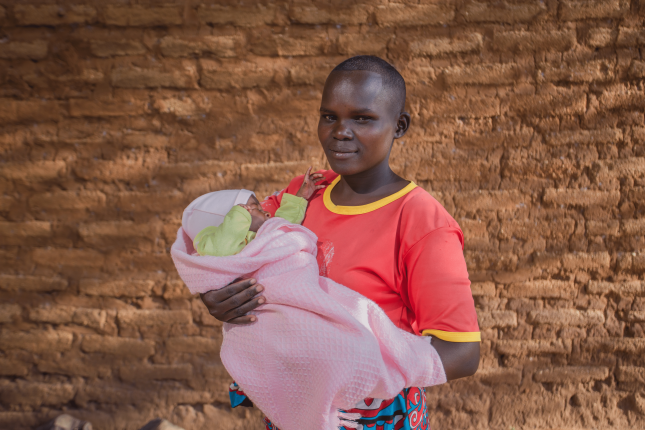
›Africa in Transition // Covid-19 // Dot-Mom // Guest Contributor // March 24, 2021 // By Koki AgarwalJoyce Makasi, a young woman in Kambiti village, Kitui County, Kenya, went into labor with her second child one afternoon in December 2020. She had just enough money to hire a motorbike to take her to nearby Waita health center. At the facility, the clinical officer and nurse told her she would need a cesarean delivery. It wouldn’t be her first cesarean, but COVID-19 presented new obstacles.
-
Climate Migration and Cities: Preparing for the Next Mass Movement of People
›Amid the COVID-19 pandemic, communities across the globe are experiencing unprecedented climate disasters.
According to modeling by ProPublica, the Pulitzer Center, and The New York Times Magazine, in the event that governments take “modest action to reduce climate emissions, about 680,000 climate migrants might move from Central America and Mexico to the United States by 2050.” That number leaps to above a million people in a scenario where no action is taken. The impacts of climate change on people’s decision to move are not constrained to the developing world, or even across borders. A recent study found that one in 12 Americans currently residing in the southern U.S. will move to California and the Northwest over the next 45 years because of climate influences.
Showing posts from category Kenya.

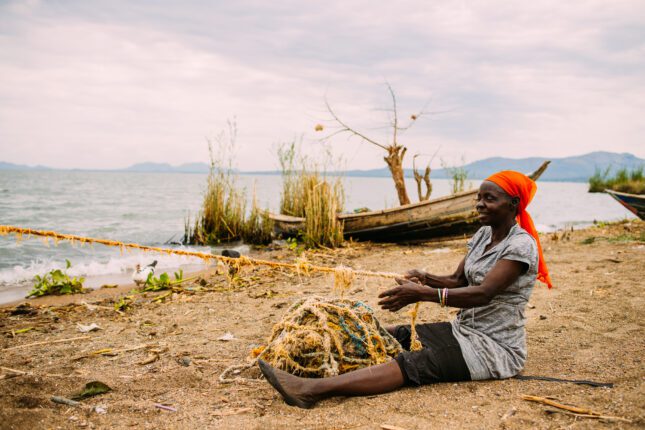
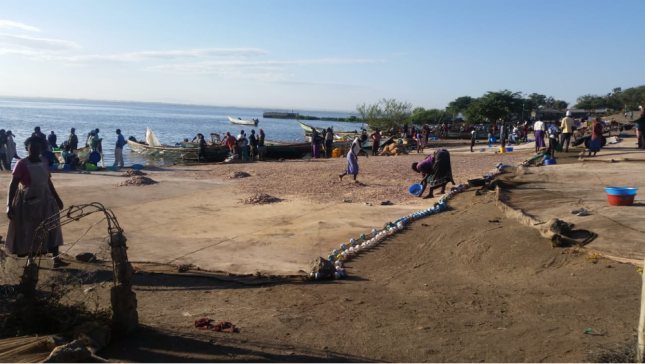 Seeing Loreta sort and dry her Omena sardines at the shores of Lake Victoria in Western Kenya, one may dismiss this small, middle-aged woman as an ordinary fishmonger struggling to earn a living.