-
Social Justice or Forest Conservation? Cross-Regional Comparisons Reveal a False Trade-Off
›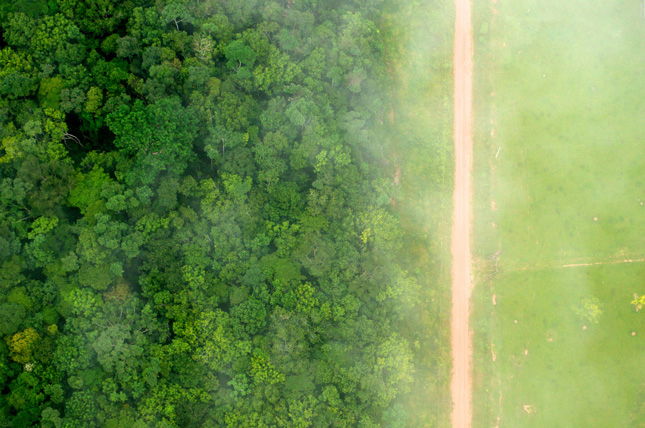
The present understanding of the relationship between environmental conservation and social justice, two of the greatest challenges of our times, is fraught with multiple confusions, especially in the context of developing countries.
-
New Media Helps Galvanize Tamil Nadu to Fight a Toxic Legacy
›
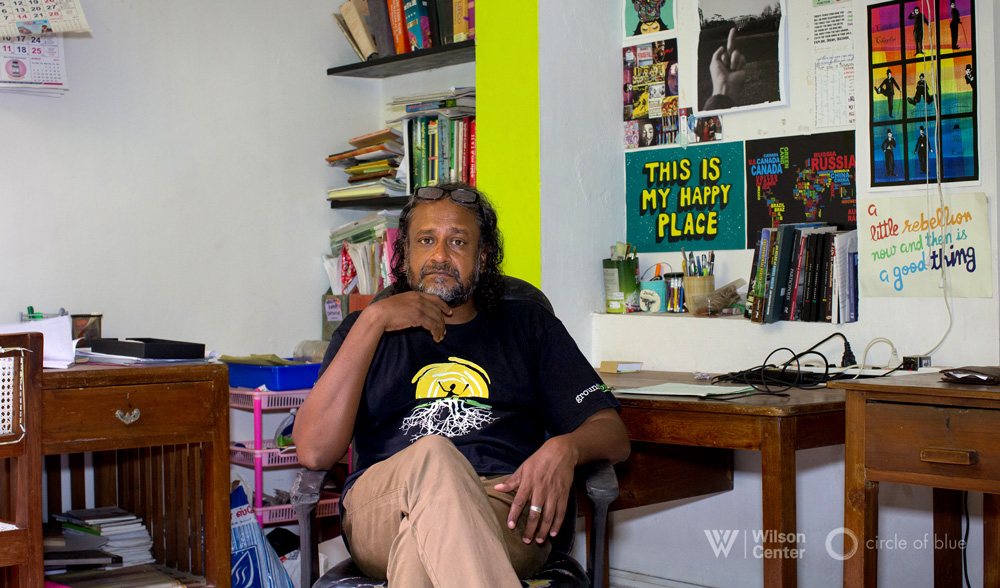
KODAIKANAL, India – In the dogged community of eco-activists, journalists, local leaders, and artists that find common ground defending Tamil Nadu from rapacious development and rampant pollution, Nityanand Jayaraman stands out.
-
Michael Kugelman on Pakistan’s “Nightmare” Water Scenario
›“Water scarcity is a nightmare scenario that is all too real and all but inevitable in Pakistan,” says Michael Kugelman, deputy director of the Wilson Center’s Asia Program, in this week’s podcast. -
Miners Plunder Tamil Nadu’s Sands, Dropping Some Rivers by 50 Feet
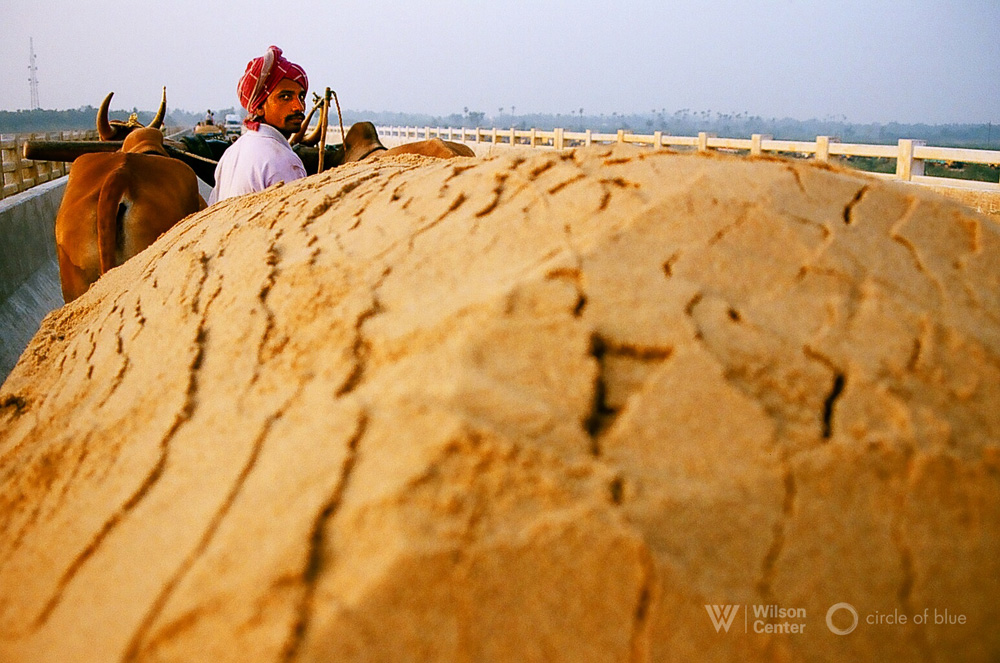
›CHENNIMALAI, India – There is river and beach sand aplenty in Tamil Nadu. At 130,000 square kilometers (50,200 square miles), the state is about the same size as Nicaragua and has 95 rivers with sandy bottoms and a long Bay of Bengal shoreline. Or did. For almost all of its thousand-year history, the state of Tamil Nadu took all that sand for granted. No longer.
-
The Right to Life and Water: Drought and Turmoil for Coke and Pepsi in Tamil Nadu
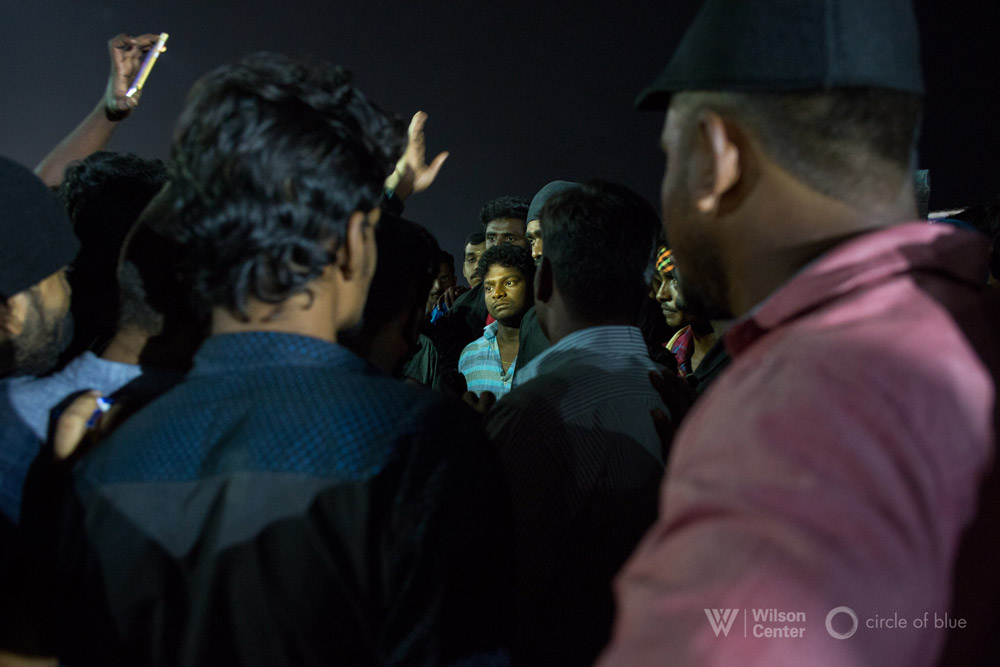
›TIRUNELVELI, India – Just after dusk on a warm mid-January evening, attorney DA Prabakar greeted several visitors on the dimly lit street in front of his home here in southern India. The air was desert-dry and dusty in this rain-scarce river city.
-
Too Much, Too Soon: Addressing Over-Intervention in Maternity Care
›For years, the primary approach to improving global maternal health was additive – to increase capacity to address shortfalls in clinics, doctors, supplies, information, and skilled care. Today, however, some women are experiencing issues related to the opposite problem: too much.
-
Food Access and the Logic of Violence During Civil War
›In 1981, Nobel Laureate Amartya Sen noted that “starvation is the characteristic of some people not having enough food to eat. It is not the characteristic of there being not enough food to eat.” Sen was referring to the idea that hunger is not always related to food supply; even in places where ample food exists, many people do not have regular access to it. Yet, more than three decades later, research into the effects of agriculture on armed conflict is still focused much more on the former than the latter.
-
In City Under Stress, Chennai’s Water Bottlers Build a Thriving Business
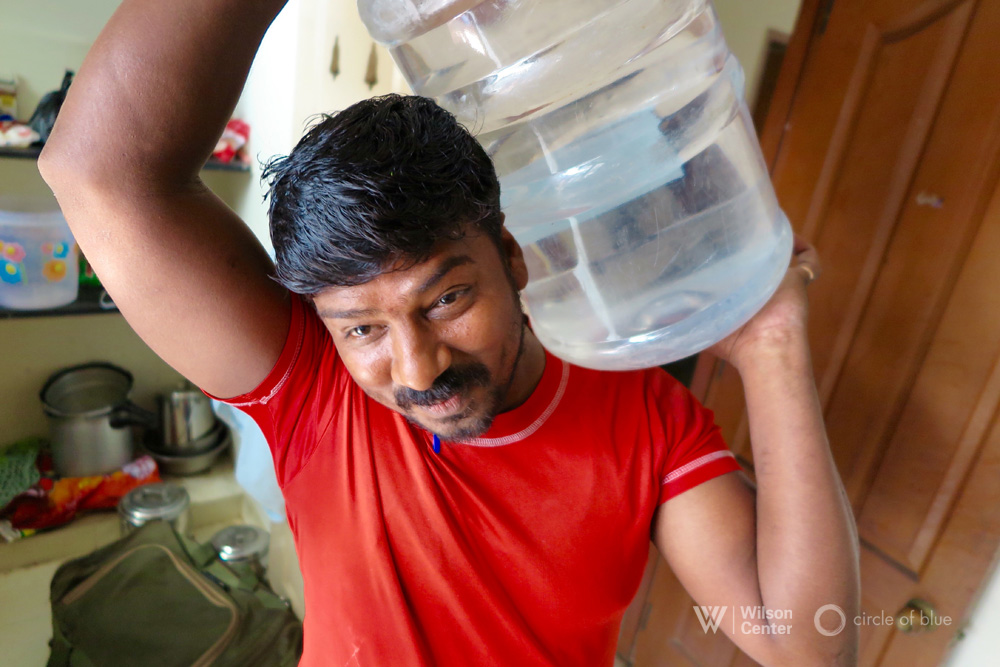
›CHENNAI, India – T. Rajan tried all manner of entrepreneurial enterprises. He sold scrap paper and cardboard to recyclers. He built a street corner chai and cigarette cart, and repaired truck and bus tires. He started an office cleaning service for high-tech companies in the growing IT sector south of the city center. None of these delivered the financial returns and workday flexibility of selling clear, sky blue, 20-liter water “cans” in Chennai’s immense bottled water industry.
Showing posts from category India.
 “Water scarcity is a nightmare scenario that is all too real and all but inevitable in Pakistan,” says Michael Kugelman, deputy director of the Wilson Center’s Asia Program, in this week’s podcast.