-
The Leopard in the Well: Wilson Center and Circle of Blue Launch ‘Choke Point: India’
›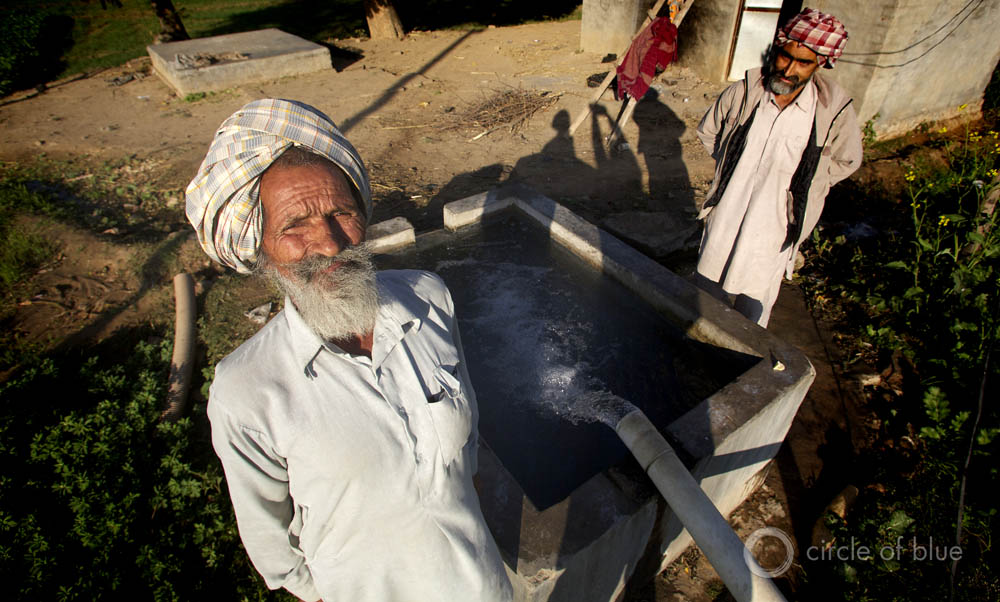
The original version of this article, by Keith Schneider, appeared on Circle of Blue. Choke Point: India is a research and reporting initiative produced in partnership between Circle of Blue and the Wilson Center’s China Environment Forum and Asia Program.
Perhaps because India is so big, so bewildering and chaotic, and so determined to update its elusive rural identity with sleek urban flare, Indians and the national press are fascinated by how the nation’s wild animals are faring amid the dizzying change. In many cases, not well.
-
From India to Jordan, Intimate Partner Violence Affects Maternal and Child Health
›
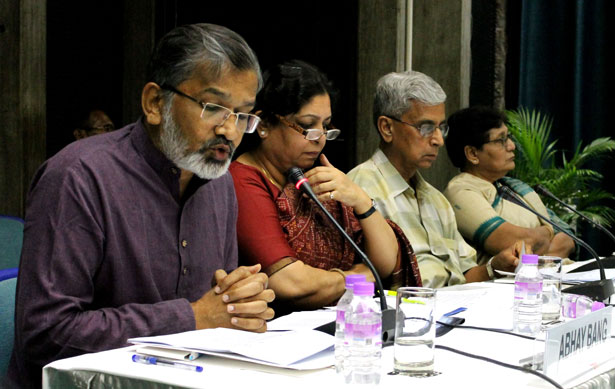
Physical, sexual, or psychological harm by a spouse or partner is a major factor in maternal and reproductive health, said Jay Silverman at the Wilson Center last month.
Silverman, a professor of medicine at the University of California, San Diego, cited a 15-country study of both developed and developing countries that found 25 to 75 percent of women have suffered from intimate partner violence at least once. And the effects are very significant, both in terms of the health of mothers and their children. [Video Below]
-
It’s Not a Drug, It’s Not a Device – It’s Women Working Together
›“Cooperative nurturing is the natural state of humans,” said Anthony Costello, director of the University College London’s Institute for Global Health, during a side event yesterday here at the Women Deliver conference in Kuala Lumpur. Children and mothers are healthier when they have a support network, so the Institute for Global Health has partnered with a number of NGOs over the last two decades to form thousands of community-based women’s groups in Bangladesh, India, Nepal, and Malawi.
-
In Kuala Lumpur, U.S. Congressional Staffers Briefed on Maternal Health Challenges in India
›It’s funny when you bump into your neighbors on the other side of the world. Today I spoke about the Global Health Initiative’s recent collaboration with the Population Foundation of India at a regional briefing on health in South and Southeast Asia before the 2013 Women Deliver conference in Kuala Lumpur, Malaysia. The special roundtable was part of a week-long study tour for a group of U.S. Congressional staffers that work on foreign affairs.
-
From Alcohol to HIV/AIDS, Anita Raj on How Gender Inequities Affect Maternal Health in India
›“Improving the equity of women, the treatment of women and girls, the value of women and girls in society is a very important means of improving population health,” says Dr. Anita Raj of the University of California, San Diego. Traditional societal expectations of women and girls in India contribute to high early marriage rates, low birth spacing, high rates of sexually transmitted infections, and high rates of abuse. Efforts to improve maternal and child health should take these and other gender inequities into consideration. “The need to work on these issues and work on them immediately cannot be overstated,” she said. -
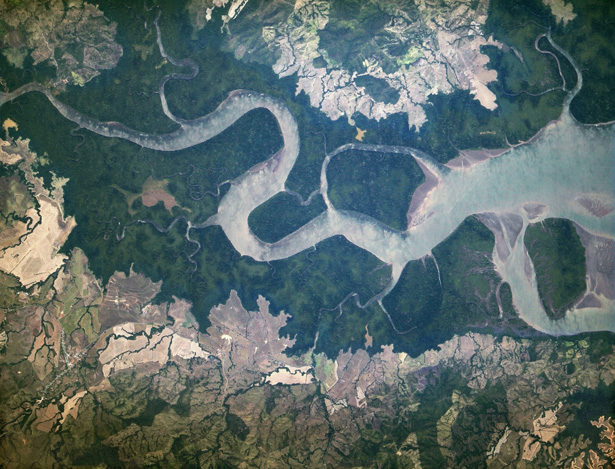
What Does It Take to Cooperate? Transboundary Water Management Around the World
›Water is the foundation of human society and will become even more critical as population growth, development, and climate change put pressure on already-shrinking water resources in the years ahead. But will this scarcity fuel conflict between countries with shared waters, as some have predicted, or will it create more impetus for cooperation?
-
Maternal Health in India: Making Progress in a Key Arena
›Maternal mortality causes 56,000 deaths every year in India, accounting for 20 percent of maternal deaths around the world, said John Townsend, vice president and director of the Population Council’s reproductive health program. It is a key battleground for maternal health advocates. But maternal health is sometimes eclipsed by other major health and development issues on the sub-continent. For example, nearly five times as many people suffer from HIV/AIDS and more than 400 million people live on less than $1.25 a day. [Video Below]
-
On Building a Better (and More Resilient) World: Complexity, Community, and the Precautionary Principle
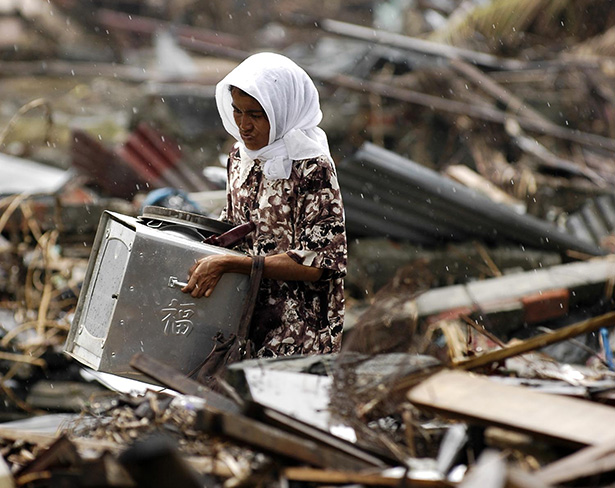
›April 3, 2013 // By Laurie MazurFrom the 2004 Indian Ocean tsunami to Superstorm Sandy, the last decade has seen an incredible array of natural disasters. Of course, disasters of all kinds are nothing new, but, thanks to the growing scale and interconnectedness of the human enterprise – and the damage we have done to the natural world – the frequency, scale, and consequences of today’s calamities are truly without precedent.
Showing posts from category India.
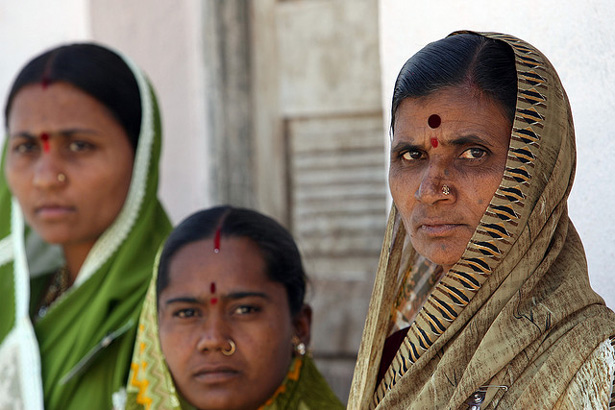

 “Improving the equity of women, the treatment of women and girls, the value of women and girls in society is a very important means of improving population health,” says Dr. Anita Raj of the University of California, San Diego. Traditional societal expectations of women and girls in