-
Delivering Success: Scaling Up Solutions for Maternal Health (Report Launch)
›Since 2009, the “Advancing Dialogue on Maternal Health” series, co-produced by the Wilson Center, Harvard’s Maternal Health Task Force, and the United Nations Population Fund, has been one of the few public policy forums dedicated to maternal health. [Video Below]
-
Prospects for Gender Parity in UN Peacekeeping Forces, Evaluating Girls’ Empowerment Efforts
›
The Population Council’s annual report highlights new work from one of the largest organizations doing research on the lives of adolescent girls in the developing world. Of particular note is the Council’s Adolescent Girls Empowerment Program, a four-year study launched in May which will involve 42,000 girls in seven countries – Bangladesh, Burkina Faso, Ethiopia, Guatemala, India, Tanzania, and Zambia. The aim is to evaluate successful strategies for helping girls avoid child marriage, sexually transmitted infections, and unintended pregnancies at a critical juncture in their lives. Council President Peter Donaldson writes that young girls are “one of the potentially most influential figures in the developing world.” A typical 12-year-old girl “in the next few years…will either abandon or continue her schooling, be pushed into marriage and childbearing, or develop a sense of proud ownership of her physical self… As her future is reconfigured, so is ours.”
-
Codi Yeager-Kozacek, Circle of Blue
Water a Key Issue As Developing Countries Drive Growth in Global Food Production
›August 22, 2013 // By Wilson Center Staff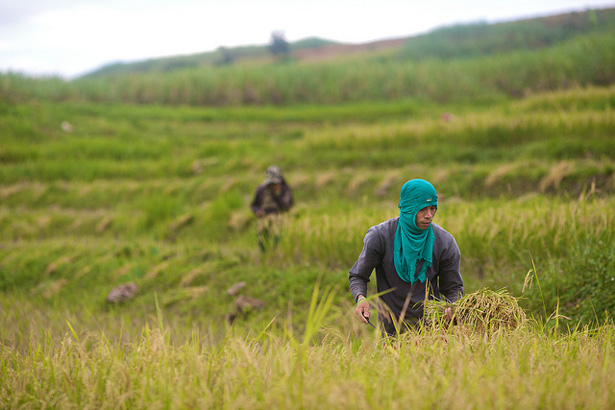
The original version of this article, by Codi Yeager-Kozacek, appeared on Circle of Blue.
Developing countries will account for much of the world’s growth in agricultural production, demand, and trade during the next decade, as production growth in developed countries slows, according to reports from leading food policy organizations. The shift will pose challenges for the quality and abundance of water supplies in regions like South America, Asia, and Africa.
-
Flooding in Uttarakhand Shows Why India Needs to Take Environmental Security More Seriously
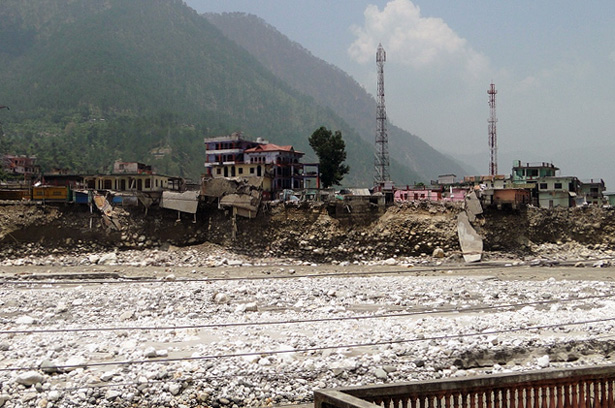
›The disastrous flooding in the Himalayan state of Uttarakhand this summer, which claimed more than 6,000 lives, was the outcome of a changing climate and poorly planned development. It was also another case in point of the increasing importance of environmental security in India – especially for the military.
-
India’s Assam Shows Second-Order, Dangerous Effects of Climate Change in South Asia
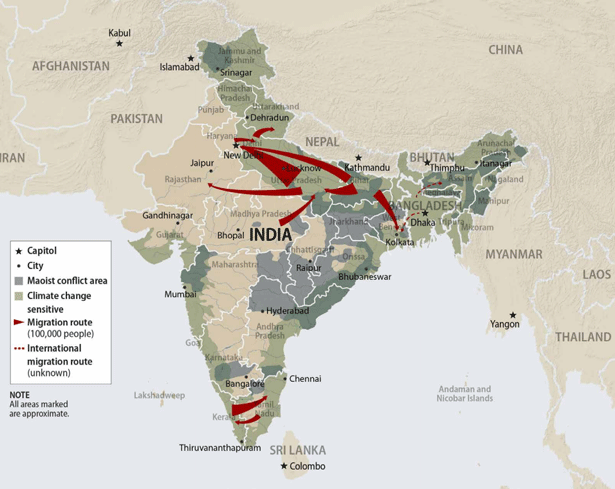
›August 13, 2013 // By Ashley ZieglerTo use the military parlance, climate change is often considered a “threat multiplier,” challenging stability and development around the world by exacerbating underlying conditions of vulnerability. South Asia is one region that faces multiple stressors that have the potential to feedback off each other.
Higher temperatures, more extreme weather, rising sea levels, flooding, and increased cyclonic activity in the Bay of Bengal and the Arabian Sea are reshaping the environment, warns the Center for American Progress (CAP) in a report.
-
Lisa Friedman: Bangladesh Shows Importance of Expanding Coverage of Climate-Induced Migration
›“What I found in Bangladesh was that [climate migration] wasn’t a straight line,” says Lisa Friedman in this week’s podcast. It’s “a far more complicated story.”
Friedman is the deputy director of ClimateWire, a news service that brings readers daily information related to climate change and its effects on business and society. At the launch of ECSP’s new report, Backdraft: The Conflict Potential of Climate Mitigation and Adaptation, Friedman discussed her experiences reporting on climate-induced migration in Bangladesh – one of the most vulnerable countries to climate change in the world, due to its low-lying geography, dense population, and high poverty levels.
-
The Farmer’s Dilemma: Climate Change, Food Security, and Human Mobility
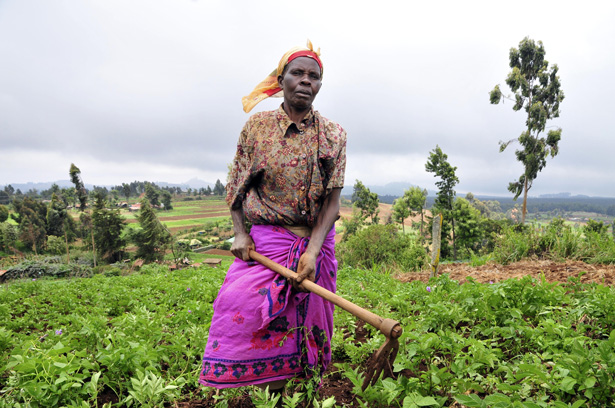
›“Most of the world’s poor are farmers; they share the same profession and the same challenges,” said One Acre Fund’s Stephanie Hanson at a recent Wilson Center event on small-scale farming, climate change, food security, and migration. They are tasked with growing enough food to support their families with only tenuous access to land and natural resources, the most basic of tools, and increasingly unpredictable weather patterns to deal with. [Video Below]
-
What’s Worth Saving? Maoists, Forests, and Development in India’s Western Ghats
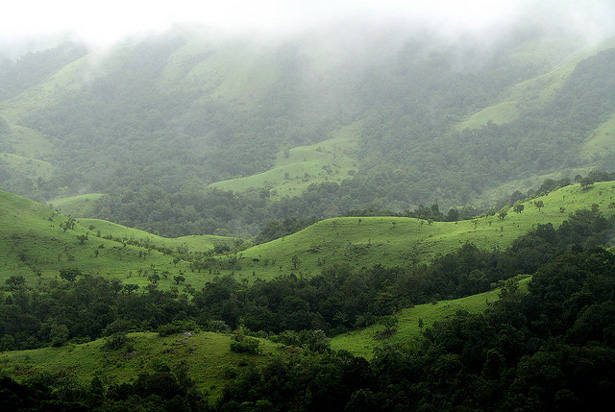
›Arrayed along India’s southwest coast is a 1,600-kilometer-long mountain chain with forests older than the Himalayas: the Western Ghats. The mountains are one of the top biodiversity hotspots in the world, and UNESCO recently recognized the region as a World Heritage site. They’re also one of the tensest of India’s emerging battlegrounds between development and conservation and a potential recruiting ground for its Maoist insurgency, called the country’s “greatest threat to internal security.”
Showing posts from category India.