-
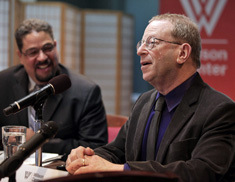
Steven Philip Kramer on ‘The Other Population Crisis’
›
Ever since Thomas Malthus’ 18th-century treatise linked overpopulation with conflict and poverty, population growth has been a subject of concern and controversy. But does population decline warrant similar attention? According to Steven Philip Kramer, the subject of this week’s podcast and author of The Other Population Crisis: What Governments Can Do About Falling Birth Rates, it does.
-
Time to Get Creative: Cold War Lessons for Climate Negotiators
›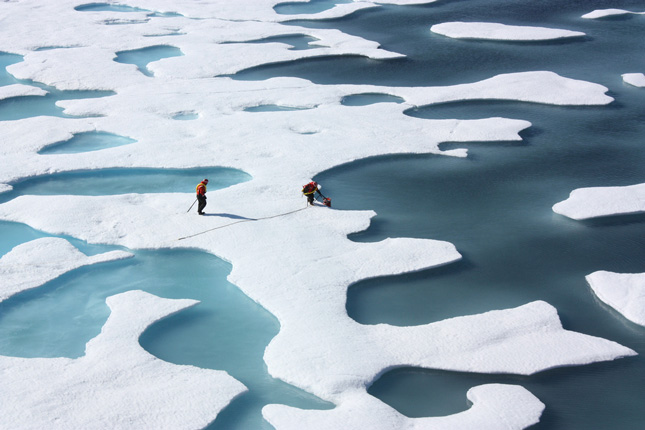
You might wonder what the Cold War has to do with climate change, but as I listened last month to historian James Graham Wilson talk about the “triumph of improvisation” that ended the nearly 50-year stare-down between the United States and the U.S.S.R., I was struck by the parallels. The idea of individual leaders escaping the momentum of conventional approaches and adapting on the fly to solve a major global issue deeply resonated with me. It’s exactly what international climate change negotiations desperately need.
-
ECC Platform
Transparency, Good Governance, and Natural Resource Management: An Interview With Peter Eigen
›April 30, 2014 // By Wilson Center StaffThe governance challenges of natural resource extraction are enormous. What can be done to improve natural resource governance? ECC’s Stephan Wolters talked to Peter Eigen, founder of Transparency International and chair of the Extractive Industries Transparency Initiative (EITI) from 2006 to 2011.
-
What Can Demography Tell Us About the Advent of Democracy?
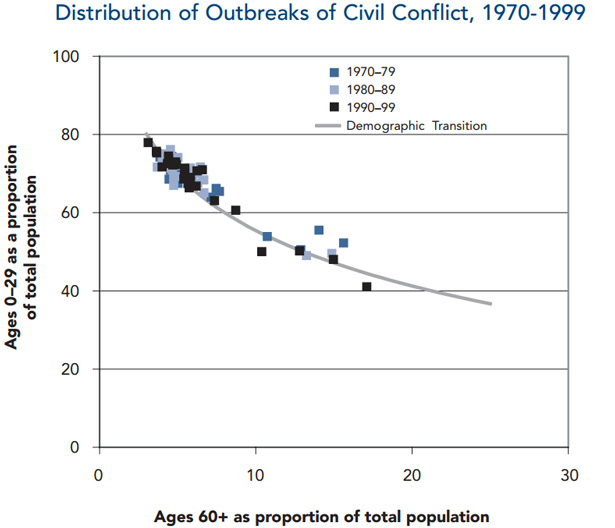
›April 28, 2014 // By Elizabeth Leahy MadsenDemocracy is fickle. Many of the competing theories on the best ways to foment and consolidate plural, inclusive governance or predict its rise and fall focus on political and economic forces. Yet a small group of demographers have explored population age structure as a catalyst for and reflection of a host of changes in societies that can affect governance. -
A New Dimension to Geopolitics: Geoff Dabelko on the Latest IPCC Report
›“The Intergovernmental Panel on Climate Change is an attempt to get an international group of scientists together to assess what we know about climate change,” says Geoff Dabelko in an interview with the Wilson Center’s Context program. “That is not a quick process.”
-
Talking Science: Climate Change and Health Communications in a Skeptical Era
›Communicating complex scientific concepts to general audiences is difficult given today’s information overload. Capturing the attention of time-pressed policymakers long enough to explain multifaceted issues like climate change and global health is an even greater challenge. The Environmental Communications Division of the National Communication Association co-sponsored two panels at the Wilson Center on November 22 featuring communication directors and professors of communications to explore this issue. [Video Below]
-
Gender Gaining Ground at Climate Change Negotiations
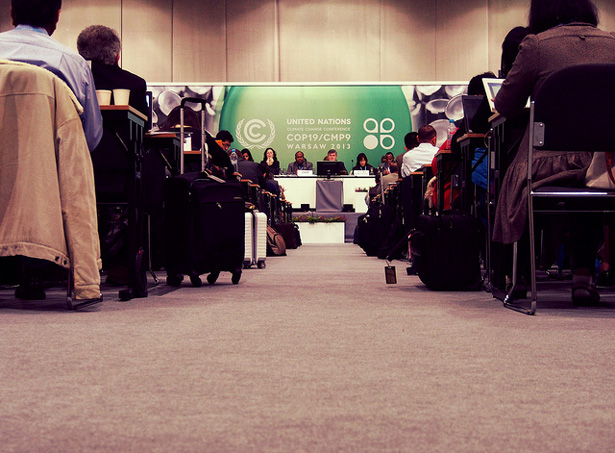
›Last month, more than 10,000 negotiators from 189 countries attended the latest UN climate change conference, known as the 19th Conference of the Parties, or COP-19, this year held in Warsaw. To many, COP-19 fell frustratingly short of its already low expectations: there were no significant new agreements and 132 developing countries along with many major non-government groups staged a walkout in protest. However, it was notable for several signs of continued progress in bringing women’s voices to the negotiating table.
-
Katherine Carter, Fund for Peace
Is Youth Bulge a “Magic Indicator” for the Failed States Index?
›October 17, 2013 // By Wilson Center StaffToday approximately 44 percent of the world’s 7.2 billion people are under 24 years old – and 26 percent are under 14. Of those 7.2 billion people, a staggering 82 percent live in less developed regions of the world – primarily sub-Saharan Africa and Asia. Currently, the global median age is 29.2 years old, a sharp contrast to Europe, for example, where the median age is 41.
Showing posts from category Europe.