• woodrow wilson center
  • ecsp

New Security Beat

Subscribe:
  • rss
  • mail-to
  • Who We Are
  • Topics
    • Population
    • Environment
    • Security
    • Health
    • Development
  • Columns
    • China Environment Forum
    • Choke Point
    • Dot-Mom
    • Friday Podcasts
    • Navigating the Poles
    • Reading Radar
  • Multimedia
    • Water Stories (Podcast Series)
    • Backdraft (Podcast Series)
    • Tracking the Energy Titans (Interactive)
  • Films
    • Water, Conflict, and Peacebuilding (Animated Short)
    • Paving the Way (Ethiopia)
    • Broken Landscape (India)
    • Scaling the Mountain (Nepal)
    • Healthy People, Healthy Environment (Tanzania)
  • Publications
  • Events
  • Contact Us

NewSecurityBeat

The blog of the Wilson Center's Environmental Change and Security Program
Showing posts from category Europe.
  • Gerald Stang, European Union Institute for Security Studies

    Climate Change and EU Security: When and How Do They Intersect?

    ›
    December 3, 2014  //  By Wilson Center Staff
    bosnia-flooding

    The original version of this article, by Gerald Stang, appeared on the European Union Institute for Security Studies (via the International Relations and Security Network).

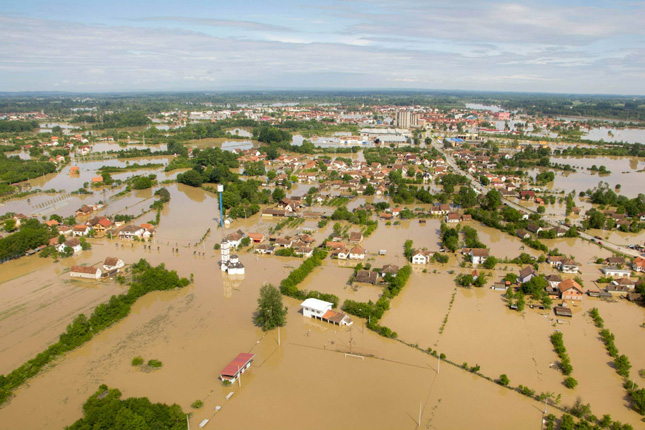
    The potential security challenges linked with climate change can make for great headlines. While sensationalist claims about water wars, states collapsing in chaos, or the forced migration of hundreds of millions cannot be completely discounted for the long term, intelligent mitigation and adaptation efforts can help avoid the worst of these – and manage the rest.

    MORE
  • Can Ecologists and Engineers Work Together to Harness Water For The Future?

    ›
    From the Wilson Center  //  November 25, 2014  //  By Lisa Palmer
    pangani

    The Pangani River in Tanzania is important for many reasons: its three major dams provide 17 percent of the country’s electricity; it sustains thousands of farmers and herders living in the basin; and its flow of fresh water supports humans, industry, and ecosystems. But most interesting might be the innovative water policies that govern withdrawals, infrastructure projects, and ecosystems along its banks.

    MORE
  • UK Global Trends Report Forecasts Security Threats in Face of Growth, Climate and Technological Change

    ›
    October 22, 2014  //  By Heather Randall
    mexico_city

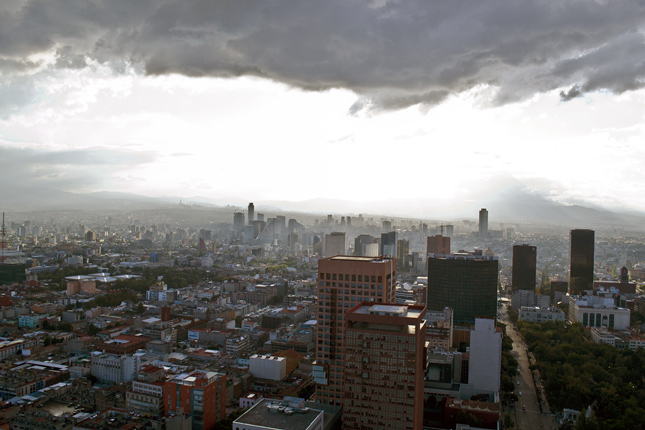
    By 2045, global population will be north of 9 billion with increased urbanization and migration, natural resource stress, improved medical technologies, greater use of robotic labor, and a shift towards lifelong (and increasingly online) learning, according to a recent report from the UK Ministry of Defense.

    MORE
  • While China Waits on Shale Gas, Soaring Energy Demands Create Regional Tensions

    ›
    China Environment Forum  //  October 15, 2014  //  By Qinnan Zhou
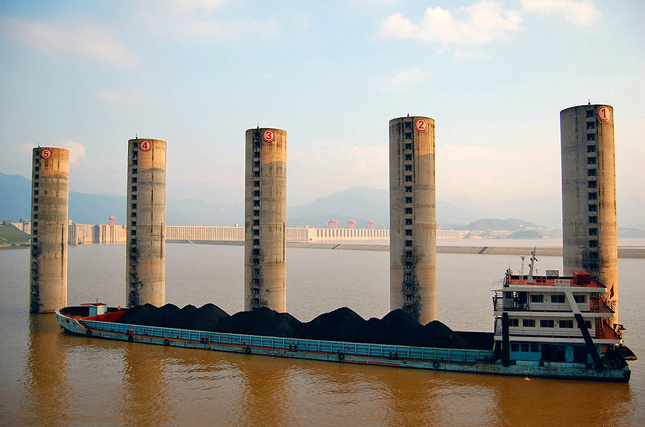
    China-energy

    China’s energy investments are on the move, touching nearly every region of the globe from coal and liquefied natural gas imports from Australia to a recent natural gas agreement with Russia and expanded oil drilling in the South China Sea. [Video Below]

    MORE
  • Brian Kahn, Climate Central

    Weather Disasters Have Cost the Globe $2.4 Trillion

    ›
    July 17, 2014  //  By Wilson Center Staff
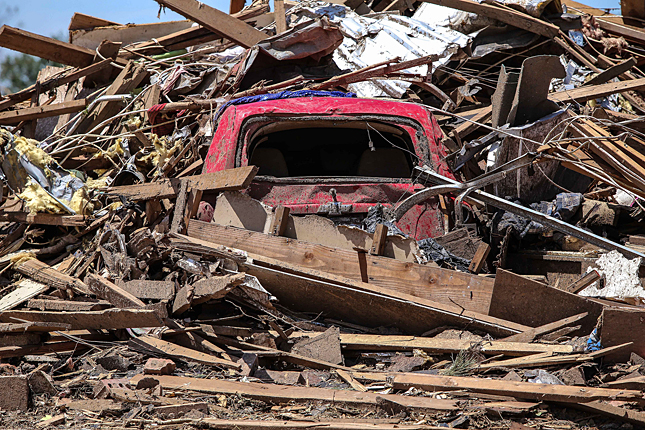
    destruction
    The original version of this article, by Brian Kahn, appeared on Climate Central.

    Weather- and climate-related disasters have caused $2.4 trillion in economic losses and nearly 2 million deaths globally since 1971 according to a new report. While the losses are staggering, the report also shows that we have learned from past disasters, lessons the world will need as development continues in hazardous areas and the climate continues to change.

    MORE
  • What Can Governments Do About Falling Birth Rates?

    ›
    From the Wilson Center  //  June 2, 2014  //  By Paris Achenbach & Moses Jackson
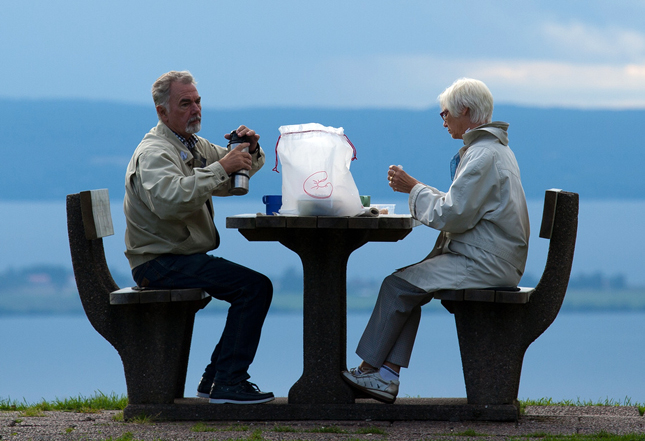
    aging

    “We have a fairly unique moment in the history of the world,” said Steven Philip Kramer, a professor at National Defense University, at the Wilson Center on April 17. “There’s never been a time when people have voluntarily produced fewer children than is necessary for sustaining the population.” [Video Below]

    MORE
  • Steven Philip Kramer on ‘The Other Population Crisis’

    ›
    Friday Podcasts  //  May 23, 2014  //  By Moses Jackson
    kramer_post

    Ever since Thomas Malthus’ 18th-century treatise linked overpopulation with conflict and poverty, population growth has been a subject of concern and controversy. But does population decline warrant similar attention? According to Steven Philip Kramer, the subject of this week’s podcast and author of The Other Population Crisis: What Governments Can Do About Falling Birth Rates, it does.

    MORE
  • Time to Get Creative: Cold War Lessons for Climate Negotiators

    ›
    Guest Contributor  //  May 13, 2014  //  By Ruth Greenspan Bell
    artic-ice-melt

    You might wonder what the Cold War has to do with climate change, but as I listened last month to historian James Graham Wilson talk about the “triumph of improvisation” that ended the nearly 50-year stare-down between the United States and the U.S.S.R., I was struck by the parallels. The idea of individual leaders escaping the momentum of conventional approaches and adapting on the fly to solve a major global issue deeply resonated with me. It’s exactly what international climate change negotiations desperately need.

    MORE
Newer Posts   Older Posts
View full site

Join the Conversation

  • RSS
  • subscribe
  • facebook
  • G+
  • twitter
  • iTunes
  • podomatic
  • youtube
Tweets by NewSecurityBeat

Trending Stories

  • unfccclogo1
  • Pop at COP: Population and Family Planning at the UN Climate Negotiations

Featured Media

Backdraft Podcast

play Backdraft
Podcasts

More »

What You're Saying

  • Volunteers,At,The,Lagos,Food,Bank,Initiative,Outreach,To,Ikotun, Pan-African Response to COVID-19: New Forms of Environmental Peacebuilding Emerge
    Rashida Salifu: Great piece 👍🏾 Africa as a continent has suffered this unfortunate pandemic.But it has also...
  • A desert road near Kuqa An Unholy Trinity: Xinjiang’s Unhealthy Relationship With Coal, Water, and the Quest for Development
    Ismail: It is more historically accurate to refer to Xinjiang as East Turkistan.
  • shutterstock_1779654803 Leverage COVID-19 Data Collection Networks for Environmental Peacebuilding
    Carsten Pran: Thanks for reading! It will be interesting to see how society adapts to droves of new information in...

What We’re Reading

  • Rising rates of food instability in Latin America threaten women and Venezuelan migrants
  • Treetop sensors help Indonesia eavesdrop on forests to cut logging
  • 'Seat at the table': Women's land rights seen as key to climate fight
  • A Surprise in Africa: Air Pollution Falls as Economies Rise
  • Himalayan glacier disaster highlights climate change risks
More »
  • woodrow
  • ecsp
  • RSS Feed
  • YouTube
  • Twitter
  • Facebook
  • Home
  • Who We Are
  • Publications
  • Events
  • Wilson Center
  • Contact Us
  • Print Friendly Page

© Copyright 2007-2021. Environmental Change and Security Program.

Woodrow Wilson International Center for Scholars. All rights reserved.

Developed by Vico Rock Media

Environmental Change and Security Program

Woodrow Wilson International Center for Scholars

Ronald Reagan Building and International Trade Center

  • One Woodrow Wilson Plaza
  • 1300 Pennsylvania Ave., NW
  • Washington, DC 20004-3027

T 202-691-4000