-
The Red Cross’s Peter Maurer on New Challenges for Humanitarian Aid
›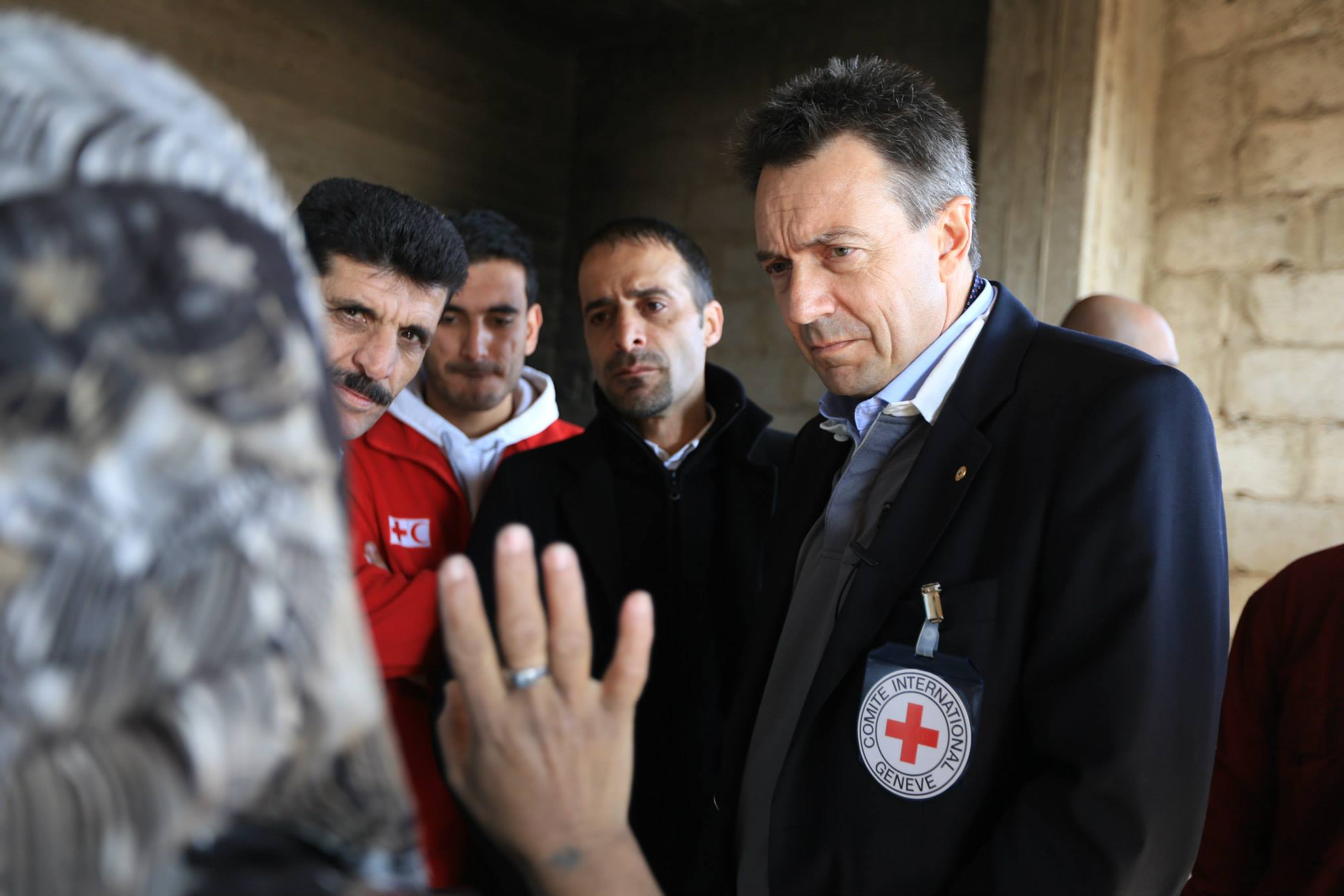
Last year, the International Committee of the Red Cross (ICRC) celebrated 150 years of their mission to “protect the lives and dignity of victims of war and internal violence.” Though this mission hasn’t changed in the past century-and-a-half, the nature of conflict and crisis response has. [Video Below]
-
Why They Care: Reproductive Health Champions Spotlight Personal Connections to Development, Environment, More
›“Saving the planet depends on women achieving full human rights, and that begins with reproductive rights,” writes the Natural Resources Defense Council’s Frances Beinecke in a new set of essays on reproductive health published by the United Nations Foundation and the Aspen Institute.
-
Forests on Film: New Stories From Nepal and the Congo Basin
›Given growing awareness about environmental change and how it affects human life, it is perhaps not surprising there is also a growing audience for environmental filmmaking. At the 2014 Environmental Film Festival in the Nation’s Capital on March 25, the Wilson Center premiered ECSP’s latest documentary, Scaling the Mountain: Protecting Forests for Families in Nepal. Together with Heart of Iron, a recent film on mining in the Congo Basin, the event took viewers into some of the world’s most remote forests to see how their inhabitants are adapting to rapid changes in the natural resources on which they depend.
-
From Victoria to Chilwa: Integrated Development in Two African Lake Basins
›
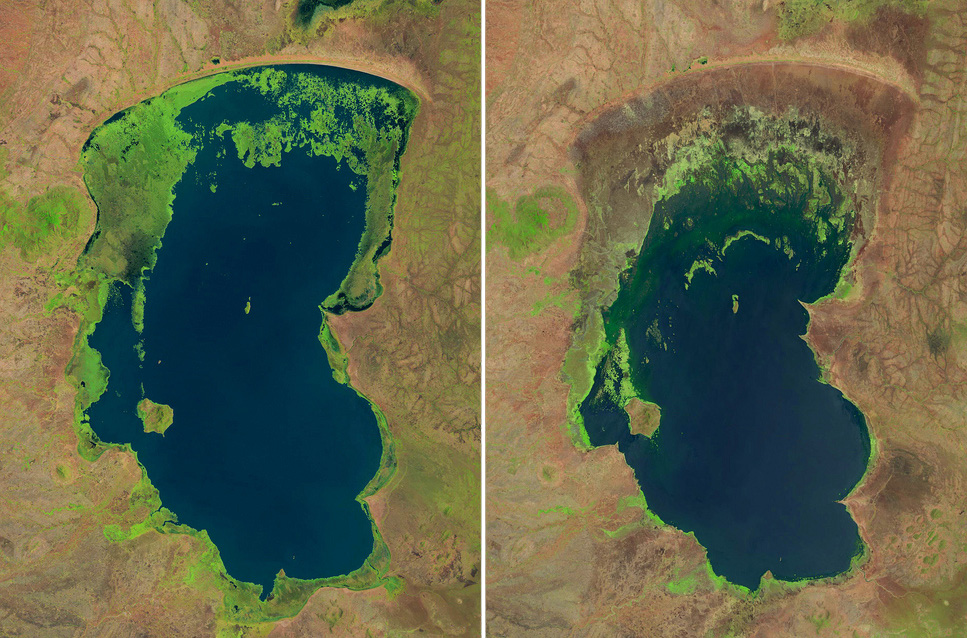
In Lake Victoria and Lake Chilwa basins, interconnected development challenges defy sectoral boundaries, said experts at the Wilson Center on February 10. According to Deepa Pullanikkatil of Leadership for Environment and Development and Doreen Othero of the Lake Victoria Basin Commission, growing populations, shrinking resource bases, and persistent human health concerns demonstrate the need for integrated development approaches that combine population, health, and environmental (PHE) interventions. “We need different sectors working together to achieve the greater goal,” said Pullanikkatil. [Video Below]
-
Geoff Dabelko, Ensia
The Periphery Isn’t Peripheral: Barriers to Cross-Sectoral Collaboration in Development
›February 14, 2014 // By Wilson Center StaffWhat do melting Himalayan glaciers have to do with food security in Cambodia? Not much, thought an aid practitioner trying to boost food security along the lower reaches of the Mekong River – until she heard a colleague working on the Tibetan Plateau describe the downstream implications of climate change in the Himalayas. Everything she was working on, she suddenly realized, could be literally washed away.
-
Beyond the Horizon: Understanding the Future for Better Development Today
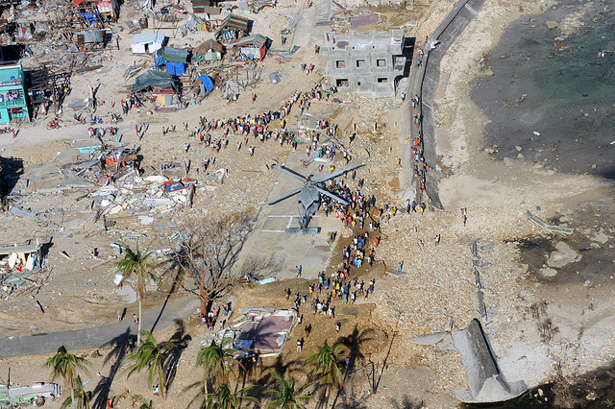
›December 16, 2013 // By Kathleen MogelgaardWhen Super Typhoon Haiyan ripped through the Philippines last month, the incredible damage visited on the people, infrastructure, and land was shaped by trends that have been in motion for decades. The country’s population has been growing rapidly, with high concentrations of people living in cities and along the coast; economic growth had been steady, but weak governance and corruption may have exacerbated vulnerability; and the gradual loss of coastal forests and mangroves left many communities exposed to the full brunt of the typhoon’s storm surge. On a positive note, wireless technology and crowd-sourced data helped in disaster response.
-
Gender Gaining Ground at Climate Change Negotiations
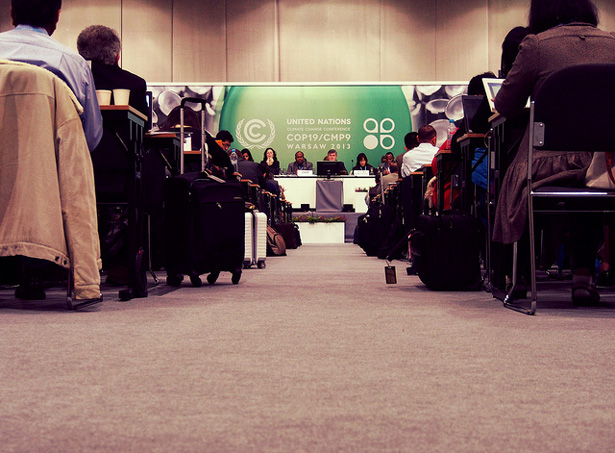
›Last month, more than 10,000 negotiators from 189 countries attended the latest UN climate change conference, known as the 19th Conference of the Parties, or COP-19, this year held in Warsaw. To many, COP-19 fell frustratingly short of its already low expectations: there were no significant new agreements and 132 developing countries along with many major non-government groups staged a walkout in protest. However, it was notable for several signs of continued progress in bringing women’s voices to the negotiating table.
-
Gorillas and Family Planning: At the Crossroads of Community Development and Conservation in Uganda
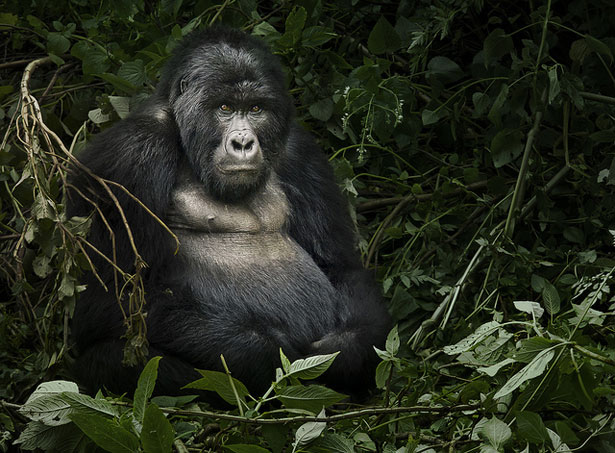
›“Gorillas are very good at family planning; if we were like them, we’d be much better off,” said wildlife veterinarian Dr. Gladys Kalema-Zikusoka at the Wilson Center on September 26. The Conservation Through Public Health (CTPH) CEO and founder is celebrating 10 years of population, health, and environment (PHE) work in Uganda and the Democratic Republic of Congo, bringing health and livelihood interventions to people while protecting mountain gorillas around Virunga and Bwindi Impenetrable National Parks. [Video Below]
Showing posts from category DRC.