-
An Unholy Trinity: Xinjiang’s Unhealthy Relationship With Coal, Water, and the Quest for Development
›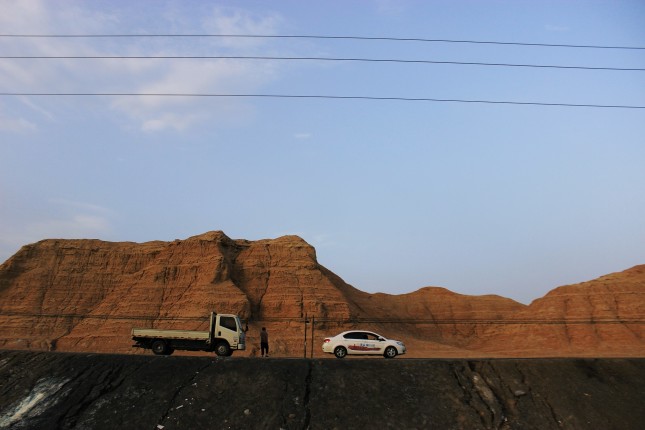
Sitting shotgun in a beat-up vehicle en route to Tashkorgan a small town in the western Chinese province of Xinjiang, I soaked in the magnificence—or what I could see through the dust-coated windshield. The unpaved and rocky road, which carves through the precipitous Karakorum pass, will be (when finished) a key link in China’s “One Belt One Road” plan to connect China to Pakistan. China’s ambitious plans for westward expansion will demand an almost inconceivably enormous amount of energy and resources, and water-scarce Xinjiang will play a central role. With plans like these, how can China meet its water needs?
-
China’s Silver Bullet: Can the Transmission Grid Solve China’s Problems?
›
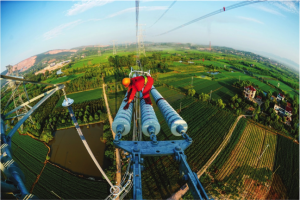
With air pollution causing more than one million deaths in 2015 and reducing the lifespan of citizens in northern China by three years, clean energy has become a top priority for China’s leaders. China tops the world in wind and solar power installations and the government plans to invest more than $360 billion through 2020 on renewable energy. But the green energy transition needs more than renewable power generation: Long-distance electricity transmission could play a key role in cleaning up China’s brown skies. Our recent study estimated that transmitting a hybrid of renewable and coal power through 12 new high-voltage transmission lines could prevent 16,000 deaths from air pollution exposure, and avoid 340 million tons of CO2 emissions in China.
-
One Country, Two Water Systems: The Need for Cross-Boundary Water Management in Hong Kong and Guangdong
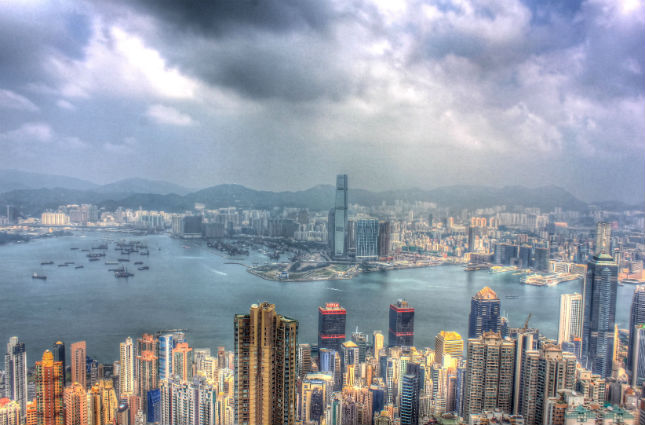
›In 2011, a group of Hong Kong water activists and researchers traveled the length of the Dongjiang (East) River, which stretches from northeast Guangdong Province into Hong Kong’s New Territories, to investigate the challenges facing the watershed. The Dongjiang basin, which provides nearly 80 percent of Hong Kong’s water supply, has suffered water shortages due to the region’s increasing urbanization and industrialization. They found unchecked wastewater discharges—from agriculture, poultry farms, chemical plants, tanneries, and even an open-air quartz quarry—were dangerously degrading water quality.
-
Top 5 Posts for September 2017
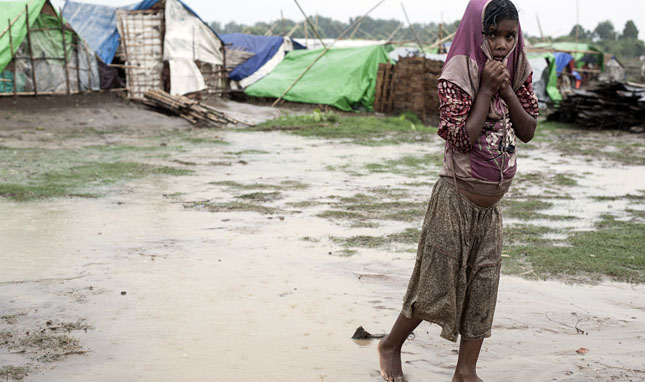
›Myanmar’s inter-ethnic disputes undermine an otherwise favorable backdrop for a peaceful democratic transition, write Rachel Blomquist and Richard Cincotta in New Security Beat’s most read story last month. Their analysis was published in April 2016, but it presciently foreshadows the current crisis. Through their multi-dimensional assessment of the demographic tension in Myanmar, the authors show that “[t]he path to democracy seems to cut directly through the Rohingya issue.”
-
GMOs: Can U.S.-China Cooperation Address Public Distrust and Increase Food Security?
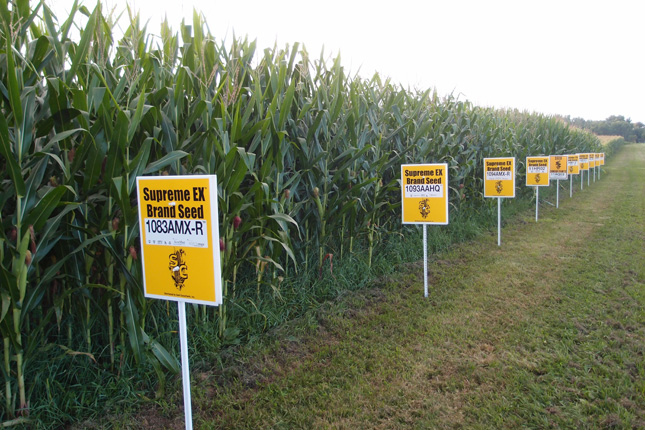
›Today, China feeds 1.38 billion people—approximately one-fifth of the global population—with about 10 percent of the world’s arable land. Compared to the United States, where each acre of land feeds one citizen on average, China has only 0.2 acres per person. This people-to-land mismatch helps explain why 9.3 percent of China’s population was undernourished in 2015.
-
Managing Sludge Mountains: What Beijing Can Learn From Brooklyn
›Chinese cities are being encircled by untreated sludge—a pungent, viscous mixture of human excreta and stormwater runoff. Four years ago in Beijing, trucks loaded with untreated sludge from the city’s largest wastewater treatment plant were illegally dumping mountains of sludge in the outskirts of the capital as “free fertilizer” for peri-urban farms. Similarly, in the southern China city of Guangzhou, disposing toxic sludge into the nearby river required nothing more than a hired boat. From the far western desert city of Urumqi to the eastern metropolis of Shanghai, more and more of China’s cities are struggling to manage mountains of sludge and municipal waste, as well as floods of wastewater and stormwater runoff.
-
Global Climate Cooperation, Post-Paris: Can Subnational Agreements Pick Up the Slack?
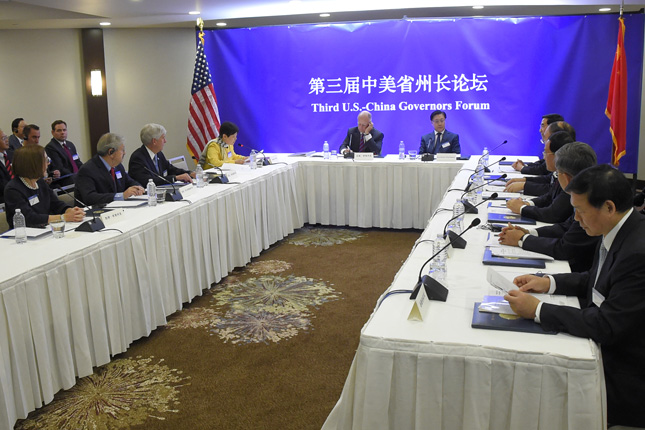
›At the G20 Summit in Hamburg early July 2017, leaders of the world’s strongest economies issued a joint statement reaffirming their commitment to the Paris Climate Accord. President Trump—the lone outsider—had announced in early June he would withdraw the United States from the agreement. As China doubles down on meeting its Paris targets, the chasm between the world’s two largest emitters and energy consumers continues to widen as previous joint efforts to curb carbon emissions fade away. Post-summit headlines focusing on the “G19” nations suggest America has abandoned international cooperation against climate change. But some U.S. cities and states are continuing the climate fight with their Chinese counterparts.
-
Fire & Ice: Unlikely Cooperation Between Iceland and China
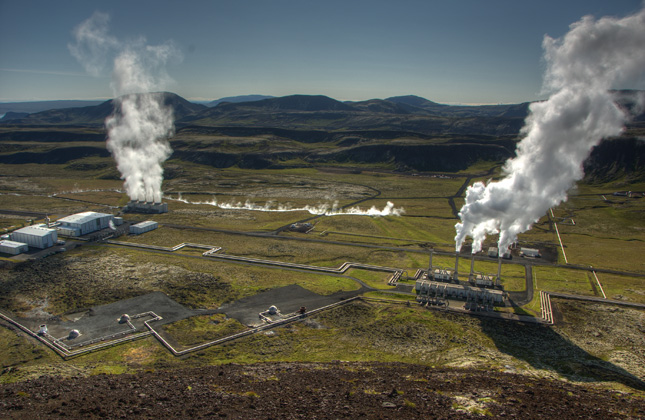
›“All of Reykjavik might be able to fit in that apartment block,” remarks Einar Magnusson, the vice president of business development for Iceland-based Arctic Green Energy Corporation (AGEC), as he drives past miles and miles of Beijing’s residential skyscrapers. Following Jiang Zemin’s visit to Iceland in 2002 – the first-ever by a Chinese President – the two nations opened a new chapter in their partnership, which was originally founded upon shared strategic interests. China’s interest in cleaner energy sources has led to a fruitful area of cooperation with Iceland, where geothermal plants generate 66 percent of the country’s primary energy and provide nine in ten households with heat.
Showing posts from category China.