-
Limited Water for Unlimited Development: Q&A With Shaofeng Jia
›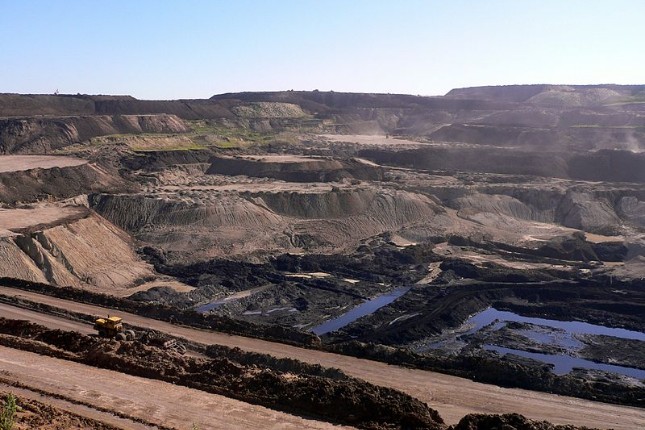
A quarter of the coal that powers China’s economy is mined in Inner Mongolia, one of the country’s most water-scarce provinces with only slightly under two percent of China’s total water resources. The coal-rich city of Ordos, which produces nearly 70 percent of all the coal in Inner Mongolia, is bookended by expanding deserts—Kubuqi to the north and Maowushu to the south—and may one day run out of water and face a “Day Zero” like Cape Town in South Africa. Both the central and local governments are promoting a number of efforts to create new water supplies in Ordos, such as treating brackish waters and trading water rights. To learn more, the China Energy & Environment Forum recently interviewed Shaofeng Jia, the Deputy Director of Water Resources Research Center at the Chinese Academy of Sciences, who recently completed an extensive study on water-energy confrontations in Inner Mongolia.
-
Pangolins on the Brink as Africa-China Trafficking Persists Unabated
›
Acting on a tip, Nigerian customs operatives raided an apartment in the southwest city of Ikeja in February. Inside, they found some 4,400 pounds of pangolin scales, and 218 ivory tusks—and arrested a Chinese suspect, Ko Sin Ying, who lived there.
A few months earlier, at the other end of a well-worn trade route, Chinese customs officials made the largest-ever seizure of pangolin scales in the port of Shenzhen. They discovered an “empty” shipping container that had come in from Africa—stuffed with 13 tons of scales. They were packaged in bags that camouflaged their true contents beneath a veneer of charcoal. That haul had killed an estimated 20,000 to 30,000 animals, each about as big as a medium-sized dog.
-
Grassroots Solutions for Solid Waste in China’s Growing Cities
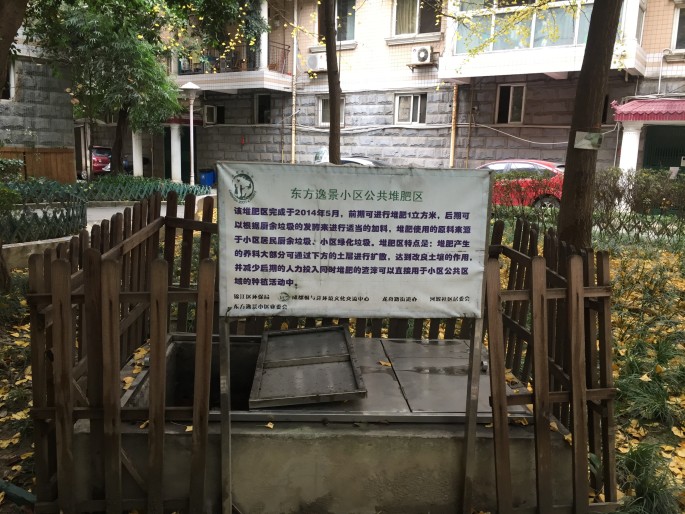
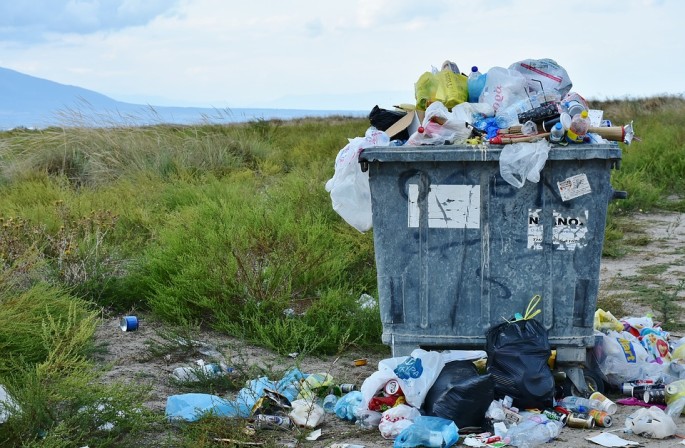
›In June 2016, the government of the Chinese city of Xiantao cancelled an incineration project following protests by residents who felt they were not adequately consulted before the project was approved. As growing Chinese cities produce more construction and consumer waste, incineration projects have increased—along with widespread protests of their environmental and health consequences.
-
China’s Ready to Cash In on a Melting Arctic
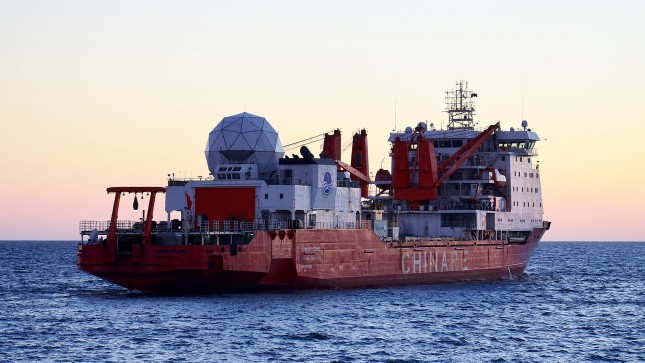
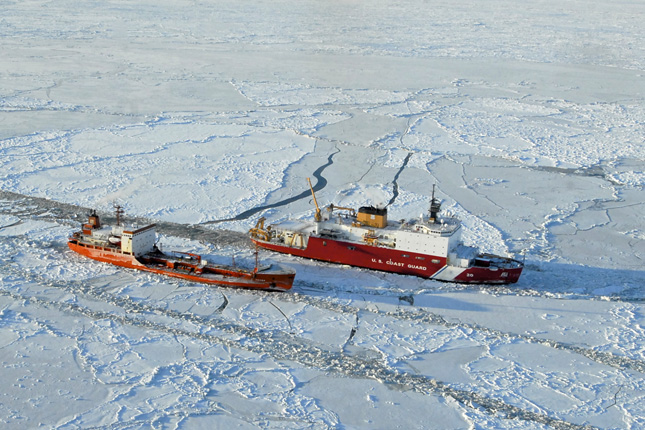
›Put simply, “the damn thing melted,” Navy Secretary Richard Spencer explained in recent testimony, referring to Arctic ice melt as the trigger for the new U.S. Navy Arctic Strategy that is to be released this summer. What the Navy planned as a 16-year road map is in need of updates after only four years, in part due to receding polar ice caps, which are “opening new trade routes, exposing new resources, and redrawing continental maps,” but also in part due to the rise of China as an “Arctic stakeholder” and increasing important player in the region.
-
The Blockchain Revolution: Q&A with Kaikai Yang
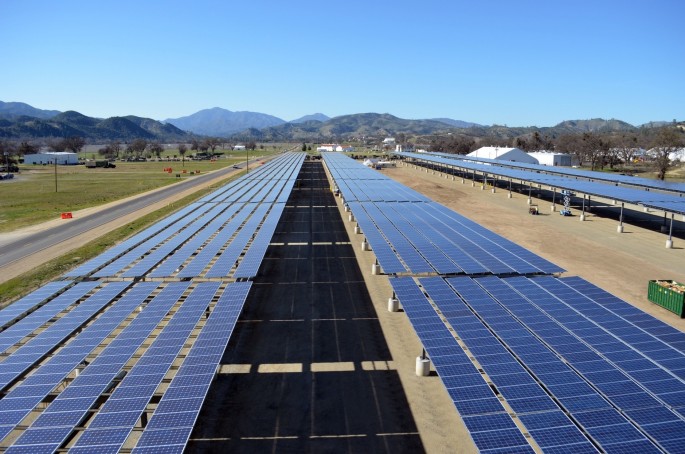
›Blockchain, the newest technology poised to revolutionize numerous industries, could help decentralize electricity systems across Asia, Europe, Australia and the United States. In Brooklyn, peer-to-peer microgrids allow prosumers—energy consumers who generate small amounts of electricity from renewable sources—to trade energy with other users. Blockchain technology provides distributed ledgers that validate, record, and share each transaction, using smart contracts that automatically execute energy trades when the price and volume of the electricity transaction meet the contracted requirements.
-
“The Damn Thing Melted”: Arctic Security in the Blue-Water Era
›When Secretary of the Navy Richard Spencer told the media last week that “the damn thing melted,” he wasn’t talking about an ice cream cone. As the Arctic faces unprecedented levels of open water, Spencer and other naval leaders recently testified to Congress about the U.S. Navy’s strategy, which is changing as quickly as the Arctic itself.
-
Every Day is Earth Day: Plastic Waste Q&A with Mao Da
›Plastics. From the devastating effects of plastic pollution on our oceans, to the news that plastic bottles likely pollute the drinking water they contain, plastic pollution—the theme of this year’s Earth Day—has been a highly visible issue, and we’ve seen some notable progress on fighting the plastic battle.
-
Ten Years, Nine Floods: Local-Level Climate Adaptation in China
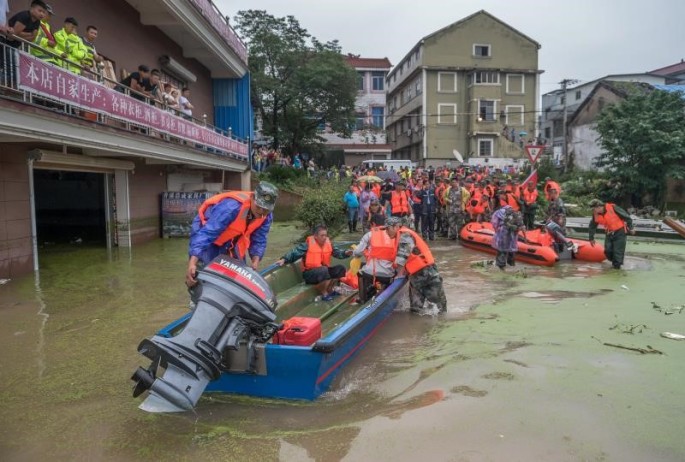
›The Lanjiang river in Eastern Zhejiang, China, reached its peak water level of 100 feet the night of June 25, 2017. Lanxi residents remember this day as “6.25,” marking the worst flood since 1955. Elsewhere in China that month, 7.3 million people were affected by floods, landslides, and heavy rains in northwestern Sichuan Province alone. Northern Guangxi suffered direct economic losses of 2.9 billion RMB (US$460 million). In the autonomous regions, 92,000 people were relocated. Flash floods caused the deaths of 10 people and forced 76,800 people to evacuate from Shanxi Province.
Showing posts from category China.