-
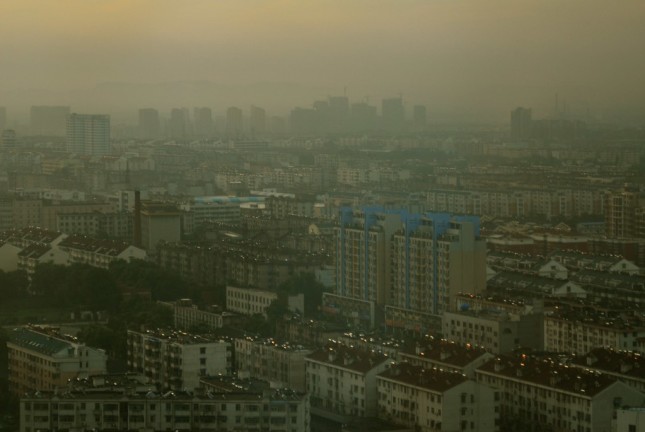
China Puts Soil Pollution Under the Spotlight
›
“That ain’t no mountain,” said Jennifer L. Turner, the Director of the Wilson Center’s China Environment Forum, in response to a picture of a pile of phosphogypsum waste just outside a farming village. She moderated a recent event on the development of environmental law and enforcement in China cohosted by the Environmental Law Institute and The Wilson Center. Since 2013, when the picture was taken, the mountain has grown, she said. She put the image up because many people hear about soil pollution, or illegal dumping, and picture something small. “You don’t picture a mountain towering over a village,” Turner said.
-
Nothing Marvelous About Plastic Waste: China’s Pollution Endgame
›
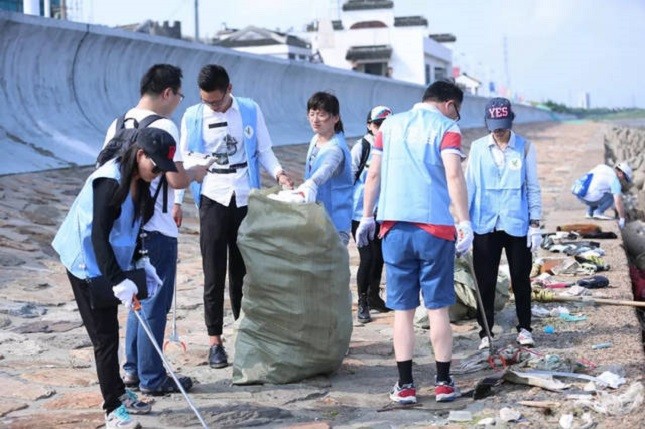
Our world is drowning in plastic pollution with nearly 8 million tons of single-use plastic and some 700,000 tons of abandoned fishing gear leaking into marine ecosystems each year. Plastic waste endangers marine species. For example, animals become entangled in abandoned nets. Marine birds, fish, whales and sharks are sickened or die when they accidentally ingest plastic. According to a 2017 study, around 90 percent of single-use plastic that pollutes our oceans comes from 10 rivers, 6 of which are in China. No Avenger superheroes can make this problem go away; rather the world needs heroic efforts by consumers, businesses, and governments to curb these plastic leaks. Encouragingly, China’s war on pollution has catalyzed new bottom-up activism and top-down policies that are starting to spur action to reduce plastic leakage.
-
Weathering the Storm: Wastewater Resiliency in the US and China
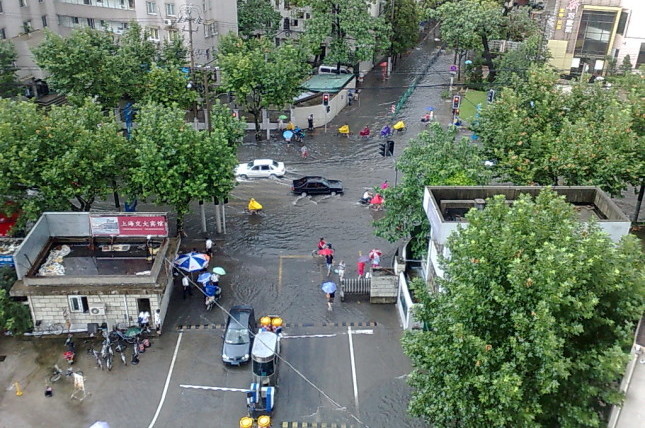
›In 2018, floods resulted in over 20 casualties and billions of yuan in damage in China, with the government issuing 835 flood warnings nationwide. As global temperatures rise, the combination of extreme weather events and sea level rise threaten the basic infrastructure and water security of low-elevation Chinese cities. Coastal residents account for 43% of China’s population – approximately 170 million citizens live less than ten meters above sea level. In fact, seven of China’s ten largest cities are on the coast, creating high stakes for the government to address impending threats of flooding and sea level rise. Shanghai, China’s largest city, is on the frontlines of climate change as one of the world’s most flood-vulnerable major cities. Shanghai’s government was eager to invest in the sponge city initiative and expand greenspace, rooftop gardens and porous pavements to control stormwater floods. However, officials have been hesitant to invest in climate adaptation measures that don’t create a big splash, like the unglamorous networks of sewage and wastewater infrastructure.
-
Not Too Big—Not Too Small—Just Right: Sand Bioreactor Wastewater Treatment in Chinese Villages
›One year after the Sichuan earthquake, while visiting villages near Wenchuan, I asked local officials planning reconstruction about their plans for wastewater treatment. As an agricultural engineering professor, I was not surprised to learn that they had no plans. It was not that a wastewater treatment system was too expensive, they worried that it would be too big.
-
Reclaiming China’s Worn-out Farmland: Don’t Treat Soil Like Dirt
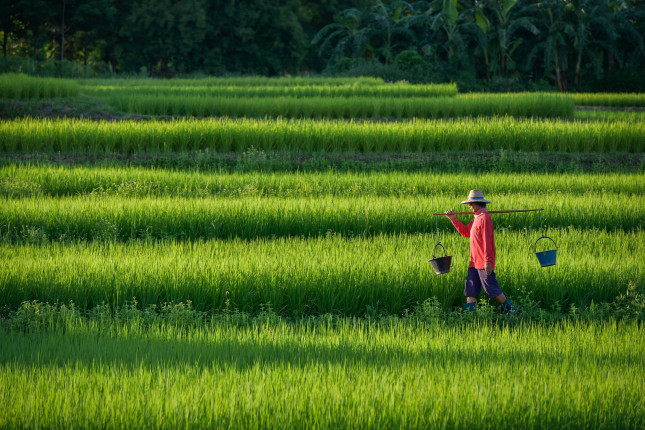
›China’s food security is rooted in its soil. Sadly, more than 40 percent of China’s soil is degraded from overuse, erosion, and pollution. The government’s 2014 soil survey revealed that 19 percent of China’s farmland was contaminated by metals such as lead, cadmium, and arsenic as well as organic and inorganic chemical pollutants. As part of its growing war on pollution, China’s central government enacted a new soil pollution law on January 1, 2019, to clean up contaminated sites. However, this new law targets just one of the many critical soil quality issues that reduce agricultural yield but does not address the problem of compacted soil.
-
A Warmer Arctic Presents Challenges and Opportunities
›As Arctic ice melts, we can physically see glaciers retreating. But what we can’t yet see is the exact effect climate change will have on the environment, humans, economies, and national security. Less ice for longer periods each year will likely bring opportunities and related challenges as Arctic and non-Arctic states jockey for position.
-
From Farm to Table to Landfills? Seeking Solutions to China’s Food Waste Dilemma
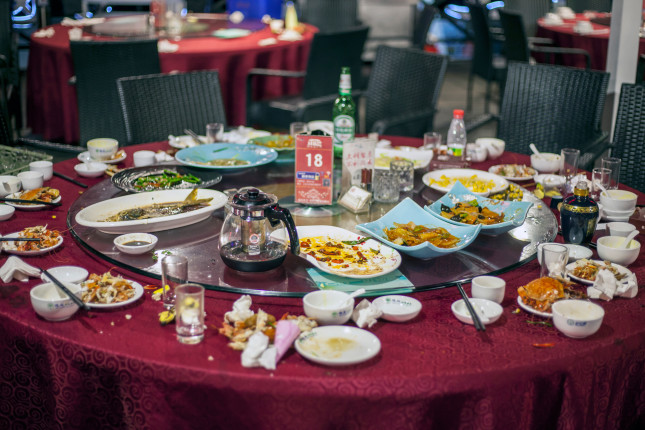
›In a giant building filled with dark and humid rooms, some 2 billion cockroaches are scampering around piles of food. This is not a scene out of a horror film, but an innovative business venture to help Jinan, a “small” city of 9 million in northeast China, deal with its overfull food waste. Jinan produces more than 6,000 tons of solid waste each day, and like most Chinese cities, 50 to 70 percent of it is food waste. To divert more organic waste from landfills, the municipal government partnered with the Zhangqiu District Food Waste Processing Center to use cockroaches to dispose of the 60 tons of food waste daily from district restaurants and companies as well as households in 40 waste-sorting pilot villages. The company is highly profitable as it gets the food waste for free from the city; and city then gives subsidies for each ton of food waste processed. The company also sells some 2,433 tons of dead cockroaches each year as animal feed additives. However, the small six-legged workers only devour some 100 tons of food waste per day even with expansion plans for two new factories, a mere 1.6 percent of the city’s total waste. Cockroaches alone cannot conquer the city’s food waste challenge.
-
China’s Hollow Villages Undergo a Transformation
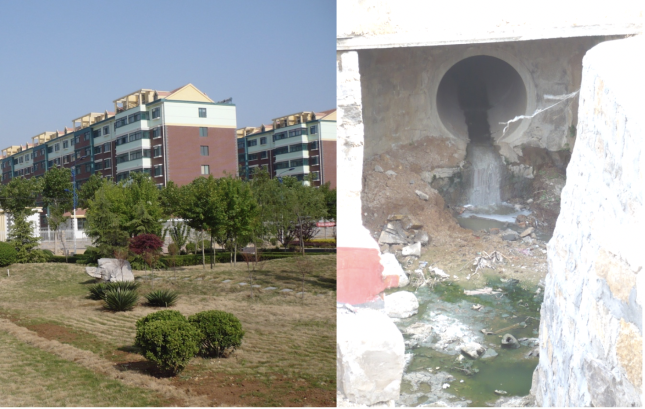
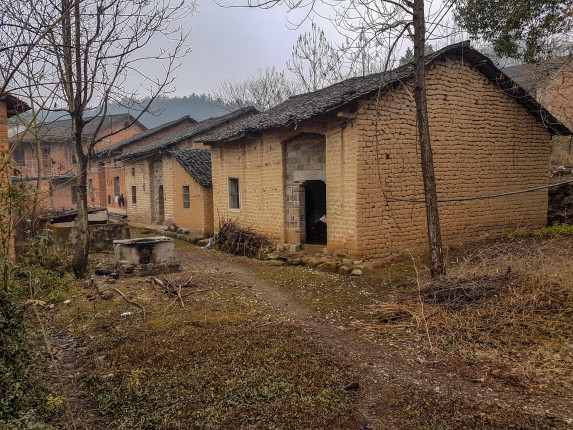
›As an agricultural engineering professor, I was excited to visit and tour the farm village Houbali, in southwestern Shandong Province. I found myself standing among newly constructed high-rise buildings, a vastly different community than I had expected to encounter. A bicycle repair shop was setting up alongside other bustling businesses in the first-floor storefronts. Farm families occupied apartments in the upper floors and a beautifully landscaped park and playground were a short walk away. This neighborhood looked like a transplant from Beijing, but these modern buildings were a newly developed farm village surrounded by agricultural fields. The new buildings brought together the residents of four old, nearly empty or “hollow” villages.
Showing posts from category China.