

-
Swept Under the Carpet: The Psychological Side of Maternal Health
›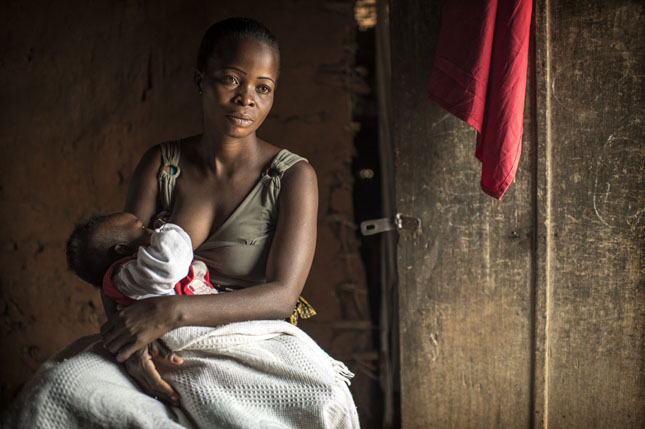
In high-income countries, as many as 10 to 15 percent of women experience depression, anxiety, or other non-psychotic mental health challenges during pregnancy or the year after giving birth. In developing countries, the chances rise to 16 percent of pregnant women and 20 percent of post-natal women, according to Jane Fisher, professor of women’s health at Monash University in Melbourne, Australia. [Video Below]
-
Lisa Friedman on a More Diverse Environmental Movement and the Critical Year Ahead for Climate Talks
›
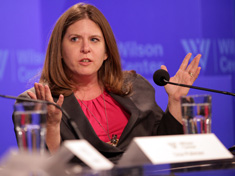
“If you care about climate change and international response to climate change, the first two weeks of December in Paris, France, will be your Super Bowl,” says Lisa Friedman, deputy editor of ClimateWire, in this week’s podcast.
-
Safety and Security in the Global Youth Wellbeing Index
›Few would argue with the notion that socioeconomic development is contingent on peace, safety, and security. What goes for nations, goes for people too – especially young people.
-
Earth Pushes Back: Era of Indifference Greets Droughts, Floods, Storms, Tsunamis
›There’s nothing demur about Mother Earth these days. She’s fuming and pushing back hard. Very hard.
-
UK Global Trends Report Forecasts Security Threats in Face of Growth, Climate and Technological Change
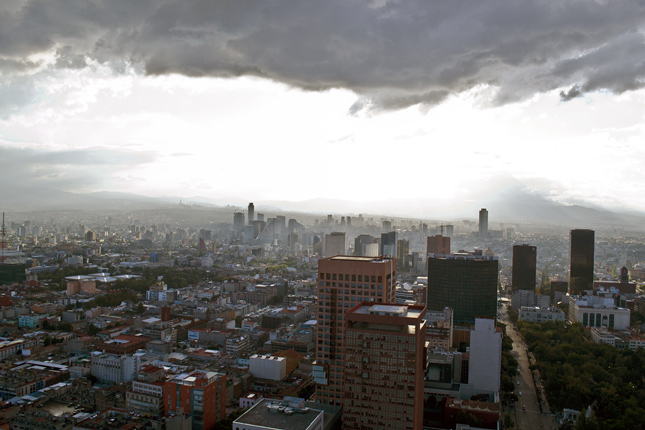
›October 22, 2014 // By Heather RandallBy 2045, global population will be north of 9 billion with increased urbanization and migration, natural resource stress, improved medical technologies, greater use of robotic labor, and a shift towards lifelong (and increasingly online) learning, according to a recent report from the UK Ministry of Defense.
-
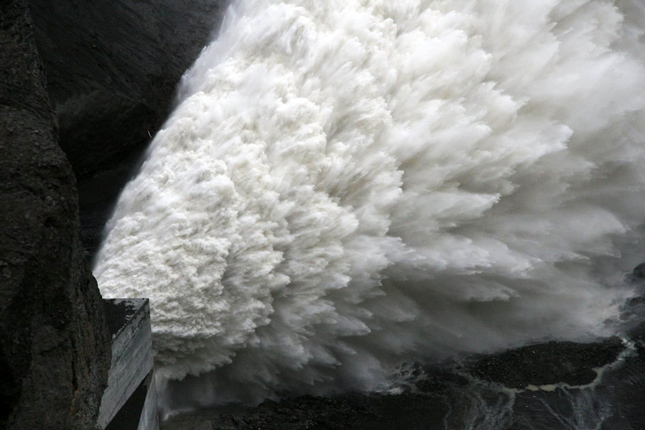
Hydro-Diplomacy Can Build Peace Over Shared Waters, But Needs More Support
›From Ukraine and the Middle East to sub-Saharan Africa and East Asia, the world is engulfed in a series of significant international crises. But despite such urgent issues, it would be a grave mistake to forget about the structural foreign policy challenges – such as access to water – that could become the crises of the future.
-
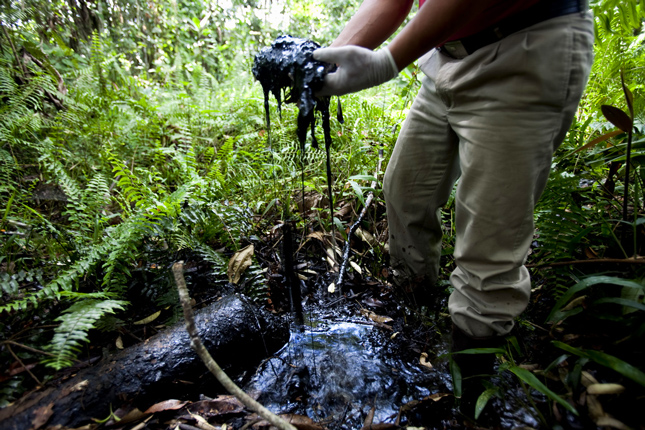
Book Review: ‘Oil Sparks in the Amazon: Local Conflicts, Indigenous Populations, and Natural Resources’
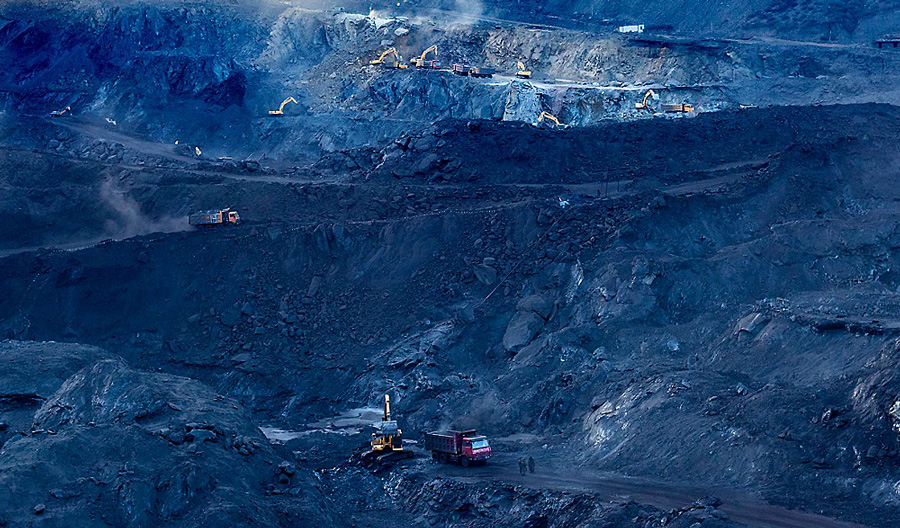
›August 18, 2014 // By Roger-Mark De SouzaSince the early 1990s, the rising price of crude oil and other key natural resources – and the resulting drive by governments and private companies to extract those resources – has led to sharp conflicts in Latin America. At the core of these disputes is the clash between national economic interest and the rights of indigenous people inhabiting the land where most natural resources are located.
-
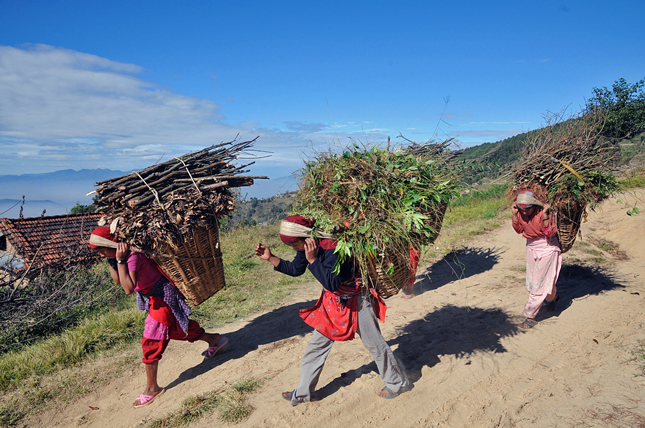
No REDD+ Program Is an Island: Integrating Gender Into Forest Conservation Efforts
›Since 2005, the Reducing Emissions from Deforestation and Forest Degradation program (REDD+) has functioned as a mechanism to financially incentivize the preservation of forestlands in order to reduce greenhouse gas emissions. But beyond its original use, some organizations have also started exploring ways it can help with other development initiatives, like women’s empowerment. [Video Below]
Showing posts from category Brazil.
 Since 2005, the

