-
Earth Day 2014: Women at the Center of Sustainable Cities
›April 22, 2014 // By Roger-Mark De Souza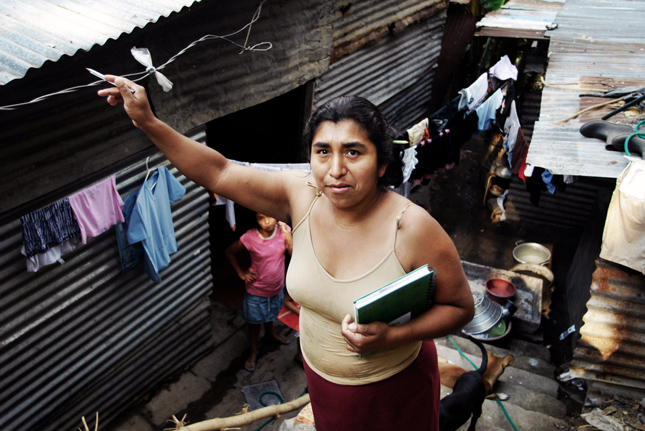
When I first came on board the Wilson Center last Earth Day, I wrote that I wanted to forge new paths and identify ways that reproductive health, environmental conservation, and women’s empowerment affect our lives today and in the future.
-
A New Dimension to Geopolitics: Geoff Dabelko on the Latest IPCC Report
›“The Intergovernmental Panel on Climate Change is an attempt to get an international group of scientists together to assess what we know about climate change,” says Geoff Dabelko in an interview with the Wilson Center’s Context program. “That is not a quick process.”
-
Climate Change Will Cause More Migration, But That Shouldn’t Scare Anyone
›
Last year a Kiribati man, Ioane Teitiota, claimed asylum in New Zealand, stating that his home island, which is on average just two meters above sea level, was becoming uninhabitable thanks to rising seas. So-called “king tides” routinely wash over entire portions of the archipelago.
-
A New Model of Development? The Role of Public-Private Partnerships in International Aid
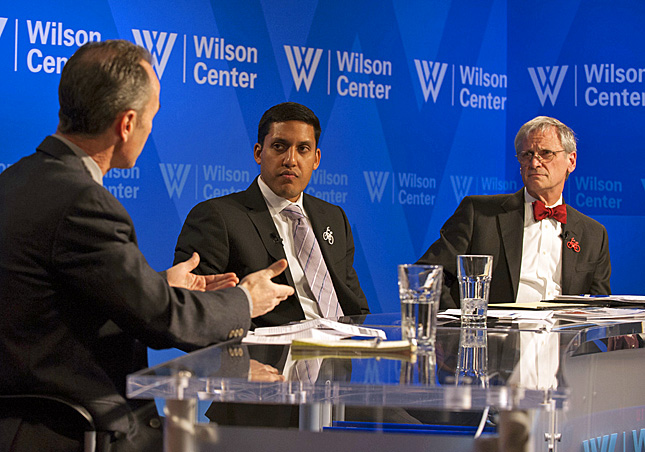
›USAID funding is “far outstripped” by private investment and business relationships in “nearly every country” in which it works – and that’s a good thing, according to USAID Administrator Rajiv Shah. [Video Below]
-
Basket Case No More? Bangladesh’s Successes Portend Resilience in Face of Change
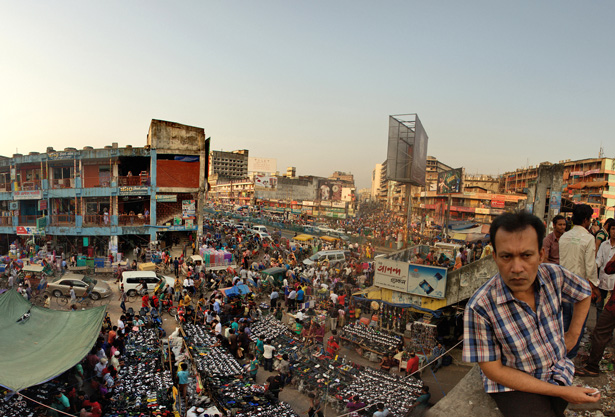
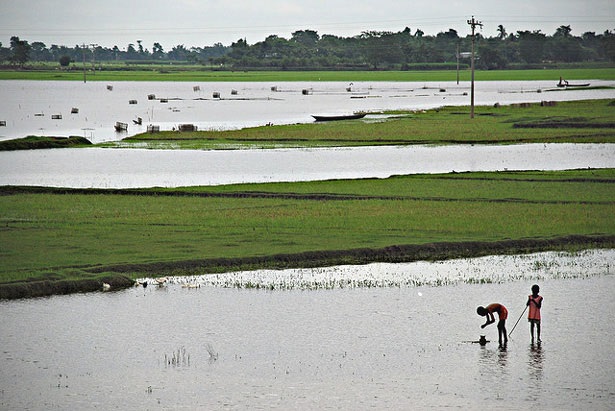
›This past December, Bangladesh turned 42, bringing the country Henry Kissinger once predicted would become a “basket case” into comfortable middle age (though perhaps this analogy breaks down for countries like Switzerland, age 722).
-
Gender Gaining Ground at Climate Change Negotiations
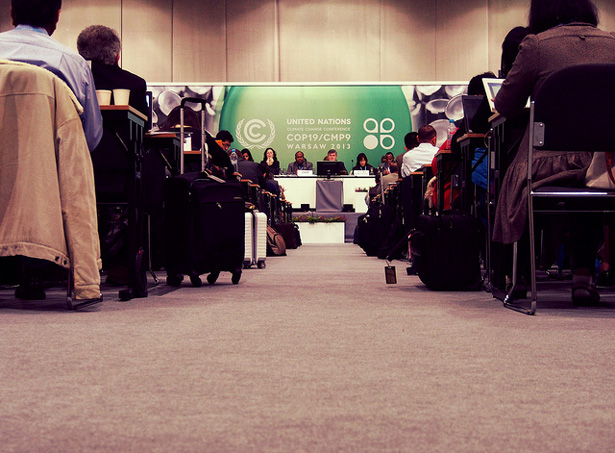
›Last month, more than 10,000 negotiators from 189 countries attended the latest UN climate change conference, known as the 19th Conference of the Parties, or COP-19, this year held in Warsaw. To many, COP-19 fell frustratingly short of its already low expectations: there were no significant new agreements and 132 developing countries along with many major non-government groups staged a walkout in protest. However, it was notable for several signs of continued progress in bringing women’s voices to the negotiating table.
-
Anthropocene Visualized: Video Summarizes Key Findings of IPCC Fifth Assessment Report
›“Humanity is altering Earth’s life support system. Carbon dioxide emissions are accelerating; greenhouse gas levels are unprecedented in human history,” says a new video summarizing some of the most striking finds of the Intergovernmental Panel on Climate Change’s latest report. The climate system is changing rapidly, and it is “extremely likely,” the video quotes the IPCC, that humans are the central reason why.
-
“We Are Not Sitting Idle, We Are Fighting”: Interview With Saleemul Huq on Bangladesh’s Climate & Food Challenges
›When it comes to climate change vulnerability, it sometimes seems as if all eyes are on Bangladesh. As part of my research for a recent article exploring the rise of aquaculture in the country, I interviewed Saleemul Huq, senior fellow at the International Institute for Environment and Development in London, former executive director of the Bangladesh Center for Advanced Studies, and lead author of two chapters on adaptation and sustainable development in the IPCC’s third and fourth assessment reports. A number of his quotes made it into the final story but I wanted to provide the full transcript here as well, as his thoughts on the country’s climate-related risks, food security, and population dynamics are worth a read.
Showing posts from category Bangladesh.