-
The Women of Sarawak and Mindoro on the “Invisible Battles” of Climate Change
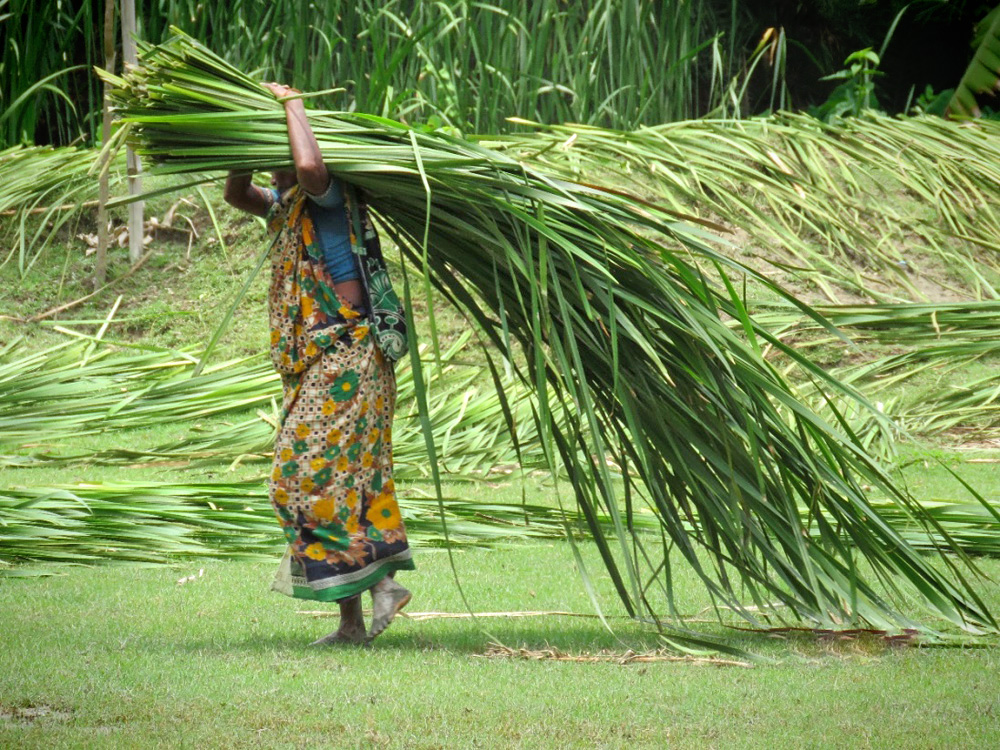
›Although separated by a thousand miles, the women of the Malaysian state of Sarawak and the Filipino island of Mindoro are united by a major struggle: climate change. As rainfall patterns grow increasingly unpredictable, natural disasters become more frequent, and drought ravages once-arable land, women are on the frontlines in both communities.
-
As Cities Grow More Crammed and Connected, How Will We Discourage the Spread of Disease?
›
Near the corner of Broadwick and Lexington in London’s Soho neighborhood, a single spot on the ground has influenced more than 150 years of urban development. It’s the location of a water pump that in 1854 physician John Snow pinpointed as the source of contamination leading to a widespread outbreak of cholera in the neighborhood that killed more than 600 people.
-
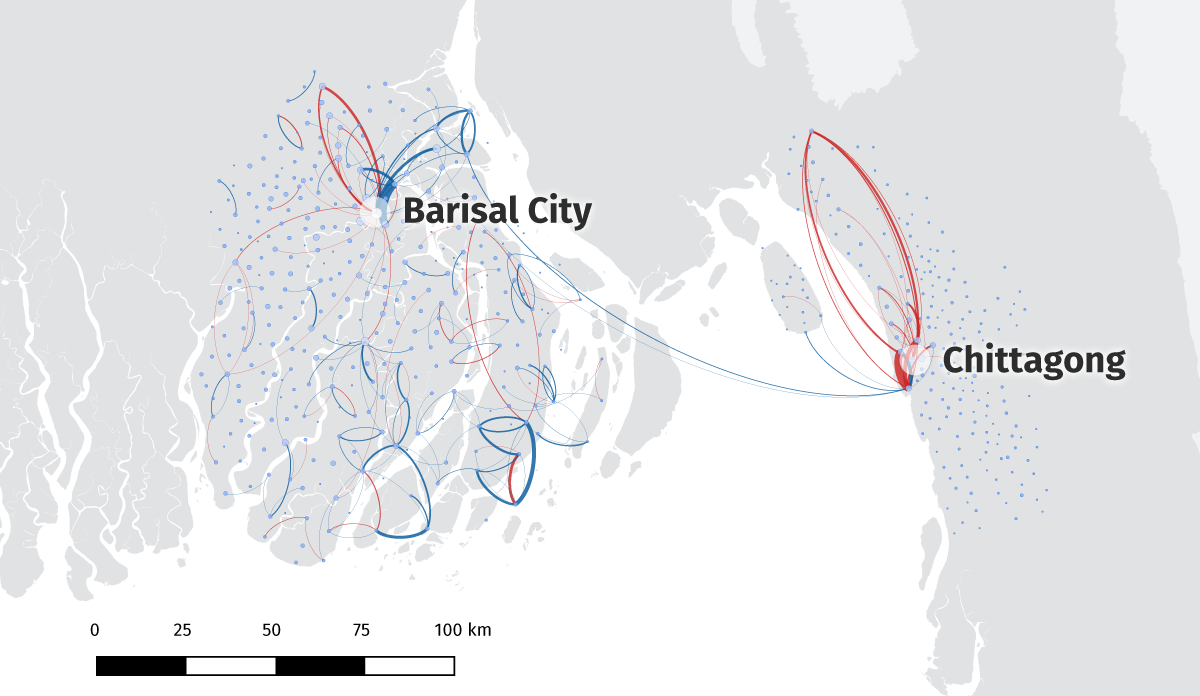
Mobile Phone Data Helps Identify Displaced People Faster, Cheaper, More Accurately
›
If we are to avert the worst of climate change impacts, we need better tools for identifying patterns of displacement and migration around climate extremes. In vulnerable developing countries, increasingly frequent and intense storms will likely exacerbate current patterns of displacement and permanent migration. Displacement often leads to humanitarian crises in the short term and can derail progress toward development in the long term. Because of this dangerous potential, displaced persons and migrants are a common focus in humanitarian responses. However disaster responders must often “fly blind” without the benefit of current, accurate information about the worst-affected populations. To better respond to the impacts of climate change as they unfold, we will need more rapid, cost-effective, and accurate methods for identifying patterns of displacement and migration.
-
Geoffrey Dabelko, The Cipher Brief
Sorting Through the “Water Wars” Rhetoric in South Asia
›July 22, 2016 // By Wilson Center StaffThe eye catching headlines are familiar. “Water Wars” are imminent or already underway in the latest drought or dam-building hotspot. Such “wars” often extend to farmers battling over irrigation diversions, but at times countries are the players. Senior leaders are often quoted suggesting transboundary water theft constitutes a casus belli. Security officials are obliged to investigate.
-
Finding Resilience in the Aftermath of Cyclone Roanu in Bangladesh
›In 1970, Cyclone Bhola slammed into East Pakistan – present day Bangladesh – with sustained winds of 150 miles per hour, killing as many as half a million people. In 2007, Cyclone Sidr killed 3,406 people in Bangladesh. This year, Cyclone Roanu killed just 30. What’s behind this huge decline in mortality? What has Bangladesh done differently?
-
Military Leaders Urge South Asian Countries to Put Aside Animosities in Face of Common Climate Threat
›July 6, 2016 // By Sreya PanugantiDespite a long history of confrontation and simmering tensions, three senior retired military leaders from Pakistan, Bangladesh, and India urge the nations of South Asia to unite around a common rising threat in a new report.
-
Christine Parthemore, Center for Climate and Security
How Are Climate Plans Affecting Nuclear Security?
›May 5, 2016 // By Wilson Center StaffToday, new nations are pursuing civilian but dual-use nuclear capabilities, the threat of non-state actors seeking nuclear materials may be growing, and countries continue to debate proper ways to enhance nuclear safety, security, and nonproliferation systems to keep up with the pace of change. At the same time, governments worldwide are having difficulty managing the effects of a rapidly changing climate, such as more damaging natural disasters and resource stress. The relationships among nuclear, climate, and security risks are growing more complex and interconnected, and these issues are likely to begin converging in new ways. By early 2016, it has become clear that the international community must take a fresh look at the ways in which they are likely to connect and potentially collide in the years ahead, and foster deeper dialogue on what should be done about it.
-
How Zika Is Shaping the Sexual and Reproductive Health and Rights Agenda
›“The Zika outbreak is a result of something; it is the result of the lost attention to sexual and reproductive health issues as a human right and women as subjects of rights,” said Jaime Nadal Roig, the United Nations Population Fund representative to Brazil, at the Wilson Center on April 12. [Video Below]
Showing posts from category Bangladesh.