

-
Climate-Induced Migration in the Philippines, and Mercy Corps’ Resilience Work in Ethiopia
› Recent rises in temperature and typhoon frequency and intensity have resulted in more internal migration in the Philippines, according to an article by Pratikshya Bohra-Mishra et al. in Population and Environment. The authors conclude that temperature change and natural disasters, such as typhoons, can have a significant effect on short-distance, sub-national migration because they reduce rice yields, which is used as a proxy for agricultural productivity.
 -
A Survey of the “War on Wildlife”: How Conflict Affects Conservation
›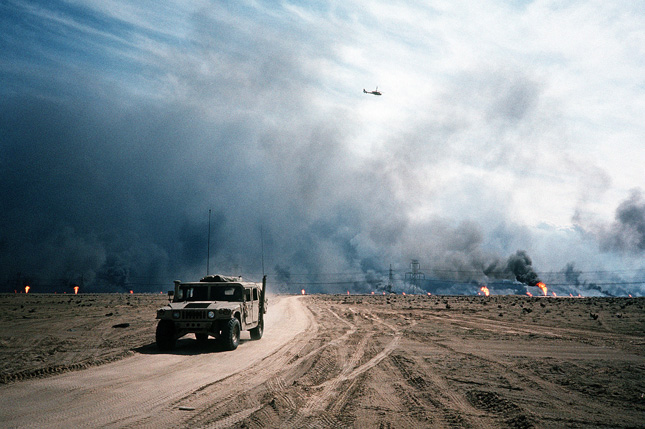
Over the last 60 years, more than two-thirds of the world’s remaining biodiversity hotspots have experienced armed conflict. The effects have been myriad, from destruction as a result of military tactics to indirect socioeconomic and political changes, like human migration and displacement. This so-called “war on wildlife” has important implications for conservation and peacebuilding efforts, according to a recent literature review published in Frontiers in Ecology and the Environment.
-
Inside ‘The Poachers Pipeline’: Q&A With Al Jazeera’s Jeremy Young and Kevin Hirten
›Rhino horn is the most valuable illegally traded wildlife product in the world, more expensive per pound than either gold or cocaine and much more valuable than elephant ivory. With as few as 25,000 wild rhinos left in Africa, conservationist and law enforcement fight a constant battle with criminal syndicates seeking to kill rhinos and sell their horns to wealthy consumers abroad, many in Asia.
-
For India, Achieving the Next Generation of Maternal Health Goals Requires New Approaches
›Achieving the next generation of maternal health goals in India, which accounts for almost 15 percent of maternal deaths around the world each year, will require innovative new approaches to stubborn problems.
-
As China Adjusts for “True Cost” of Rare Earths, What Does It Mean for Decarbonization?
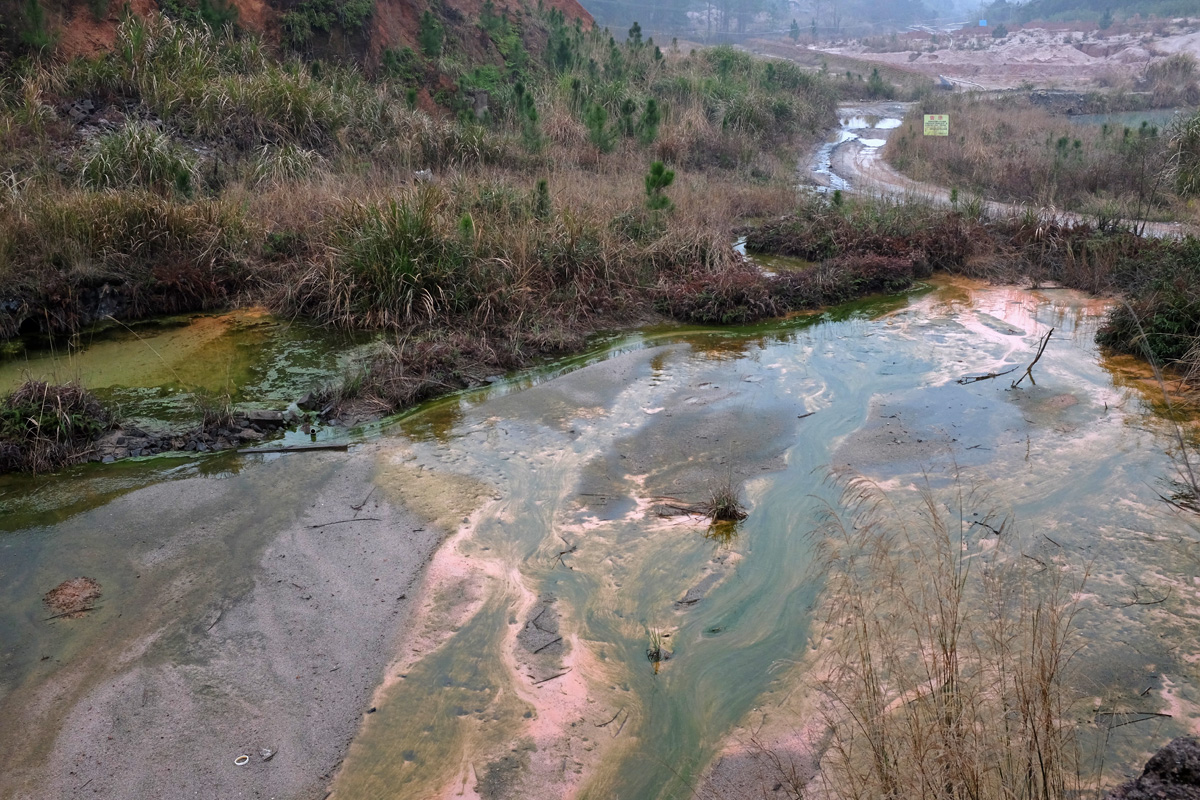
›Known as the “vitamins of industry,” rare earths refer to a cluster of minerals widely used in green technologies such as wind turbines, rechargeable batteries, and electric vehicles. Rare earth elements embedded in these products keep them light, efficient, and affordable. They’re essential to the decarbonization of the global economy envisioned in the Paris Climate Agreement, agreed to by 192 countries in 2015. And we may soon face a significant shortage, due in no small part to changes in China.
-
Afghanistan’s Water Plans Complicated by Worried Neighbors
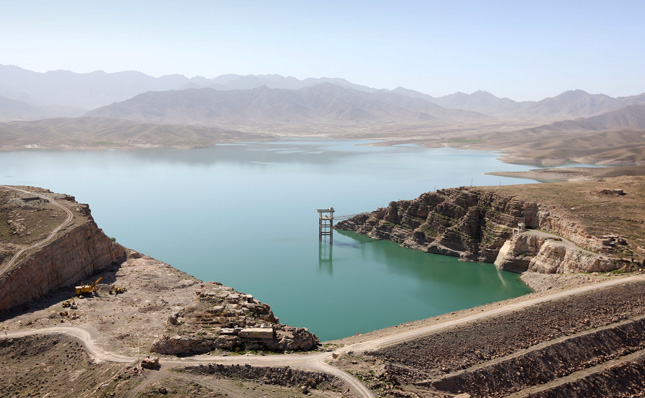
›More than 40 years ago, the Soviet Union attempted to harness hydropower to modernize Afghanistan. Between 1960 and 1968, they poured money and technical knowledge into the 100-meter Naghlu gravity dam outside Kabul and a village for its workers called Sharnak. Although the town has been damaged and the boons of modernity remain elusive for many Afghans, the dam remains a crucial source of power for the capital and is the largest power plant in the country with an installed capacity of 100 megawatts.
-
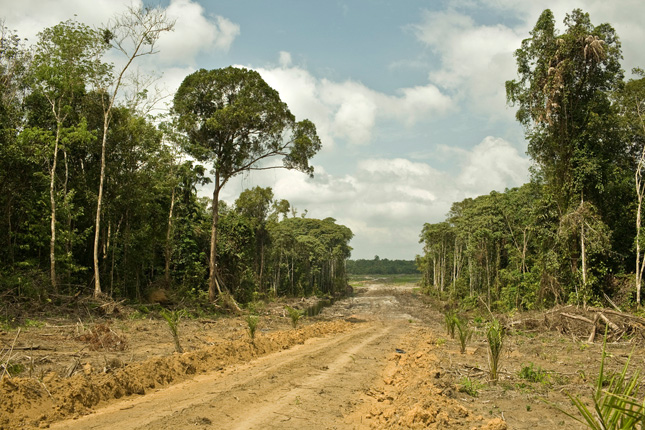
Can We Save the World’s Remaining Forests? A Look at ‘Why REDD Will Fail’
›As climate change threatens the stability of ecosystems around the world, the preservation of forests is seen as a “win-win” solution to curbing planet-warming emissions while producing value for developing country economies.
-
Ground Truth Briefing: Is Climate-Related Migration a National Security Issue?
›Experts predict that climate change will spur some people to leave their homes and countries. How will national security be affected as a result?
Showing posts from category Asia.

 Experts predict that climate change will

