-
Fishing for Families: Reporting on Population and Food Security in the Philippines
›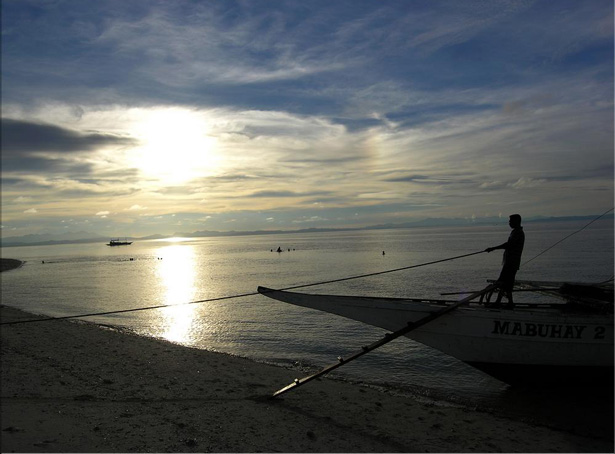
“My income is just right to feed us three times a day,” Jason Bostero told Sam Eaton in the rural Philippine village of Humayhumay. “It’s really, really different when you have a small family.” Eaton traveled to the Philippines to report on the connections between food security and population for Homelands Productions, creating a short film and radio piece that ran on NewsHour and Marketplace as part the Food for Nine Billion series last year. [Video Below]
-
Managing Mountains for Ecological Services and Environmental Security
›
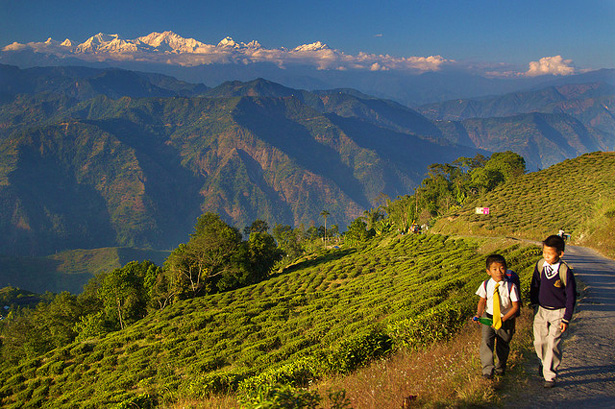
High mountain regions face grave environmental challenges with climate change impacts already as severe as any place on earth. Temperature increases are expected to be greater at higher altitudes than at sea level, and glaciers and snowfields are retreating in many areas, increasing the risk of catastrophic glacial lake outburst floods, affecting fresh water supplies for hundreds of millions of people, and exacerbating territorial and natural resource disputes.
-
Super Typhoon Bopha Shows Why Developing Countries Are Most Vulnerable to Climate Change
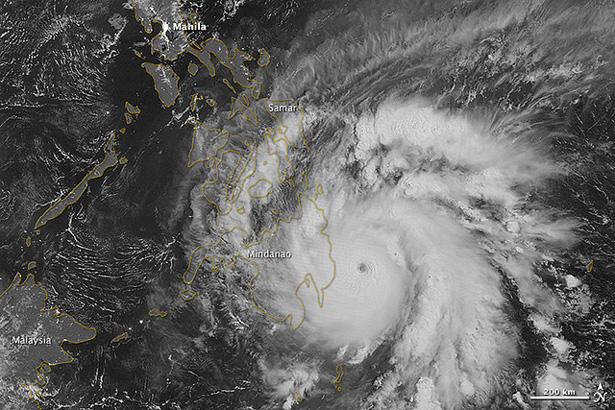
›January 15, 2013 // By Carolyn LamereIf Hurricane Sandy was a wake-up call for many in the United States to the kind of extreme weather that climate change is expected to bring, Typhoon Bopha, which struck the Philippines a month later, is a reminder of what makes developing regions even more vulnerable to these changes.
-
Afghanistan’s Mineral Potential, Sustainability of Development Efforts Crucial Questions, Says Wilson Center’s Michael Kugelman
›Rich, untapped deposits of gold, iron, copper, lithium, and rare earth minerals have been known in Afghanistan for decades, but recently, extensive reports from the U.S. Department of Defense and U.S. Geological Survey have shed new light on their potential value.
-
Elisabeth Rosenthal, The New York Times
As Biofuel Demand Grows, So Do Guatemala’s Hunger Pangs
›January 8, 2013 // By Wilson Center StaffThe original version of this article, by Elisabeth Rosenthal, appeared in The New York Times.
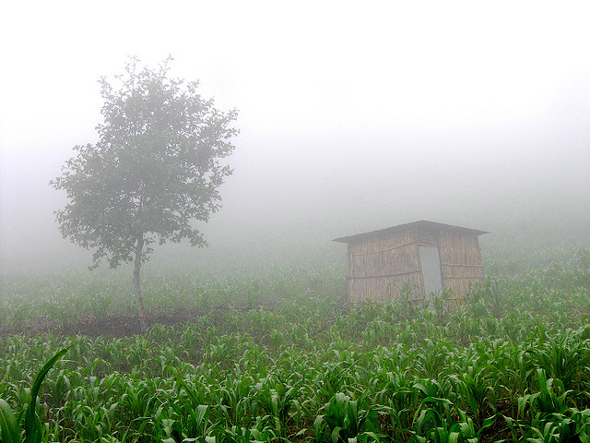
In the tiny tortillerias of this city, people complain ceaselessly about the high price of corn. Just three years ago, one quetzal – about 15 cents – bought eight tortillas; today it buys only four. And eggs have tripled in price because chickens eat corn feed.
-
Tapping the Potential of Displaced Young People in Urban Settings
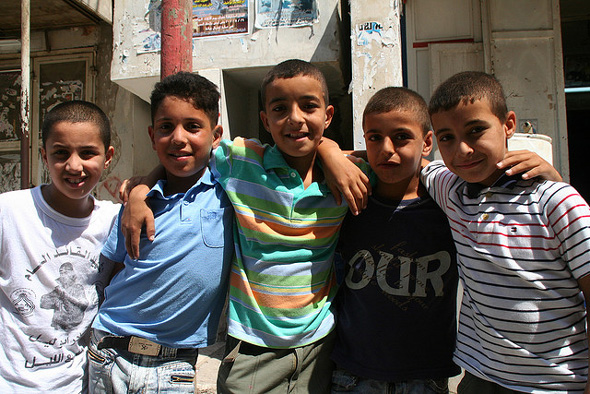
›“When young people claim their right to education and health – including sexual and reproductive health – they increase their opportunities to become a powerful force for economic development and positive change,” said Nicole Gaertner, of UN Refugee Agency and the U.S. Department of State, quoting Secretary of State Hilary Clinton at the Wilson Center on December 13. [Video Below]
-
Building Sustainable Cities in a Warmer, More Crowded World
›January 3, 2013 // By Laurie MazurThe future is urban – but is it sustainable?
For decades – centuries, really – warnings have been issued: The burgeoning human population will outgrow the planet’s capacity to sustain us. The formula seems simple. More people equals fewer resources and greater environmental damage.
-
The Challenges of the 21st-Century City (Policy Brief)
›The Wilson Center Policy Briefs are a series of short analyses of critical global issues facing the next administration that will run until inauguration day.
We live in a world that is different from that inhabited by our ancestors in many profound ways. Among the most important changes is that, for the first time, almost half of the world’s people live in cities. According to the United Nations, in 2008 the global urban population surpassed half of the world’s population of 6.7 billion compared with 13 percent a century ago and 3 percent a century before that. This trend will require profound changes in the way the U.S. government addresses everything from development policy to international security.
Showing posts from category Asia.