-
The Hillary Doctrine: Sex and American Foreign Policy (Book Launch)
›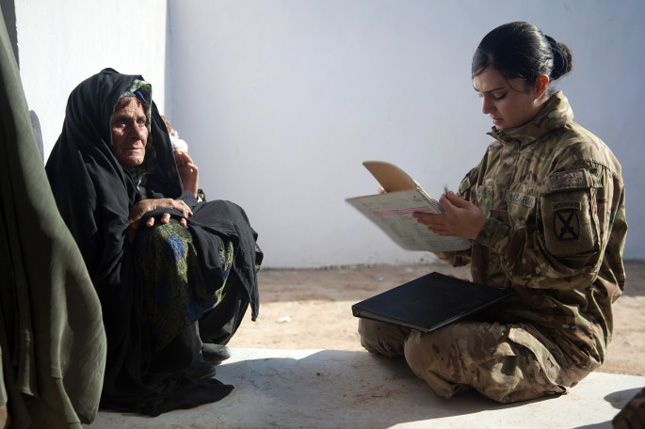
When Valerie Hudson evaluates the strength of a nation, whether food security, wealth, peacefulness, or quality of governance, she finds one important thread that underlies it all. “One of the most important factors in the determination of these things is in fact the situation, and security, and status of women,” said Hudson at the Wilson Center on June 24. [Video Below]
-
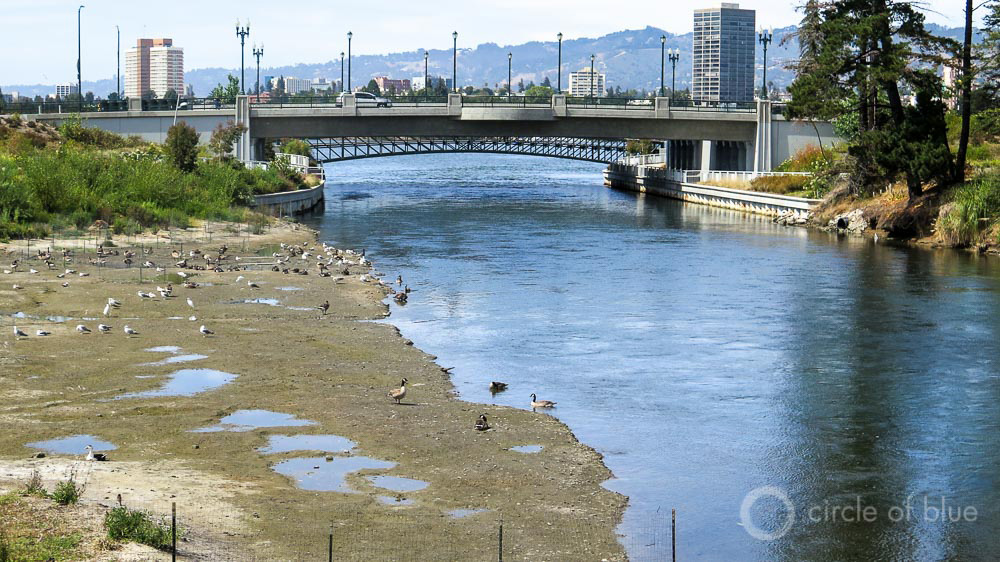
Oakland’s Web of Waters Shapes New Economy, Civic Energy
›
In March 1999, not long after he was sworn in as the 47th mayor of Oakland, Jerry Brown called Lesley Estes, the supervisor of the city’s watershed protection program. Brown, who is now California’s governor, wanted the city staffer he called “Creek Lady” to describe the most formidable ideas she had to conserve natural areas, make parks more beautiful, and clean up the city’s waters.
-
A State Divided: A Snapshot of India’s Water-Energy Choke Point
›The landscape of the northeastern Indian state of Meghalaya is rapidly changing. What was once a predominately agricultural economy has shifted to coal mining with significant consequences for people and the environment. “Once you extract coal from the land, it’s really hard to go back to an agricultural economy,” says ECSP’s Sean Peoples in an interview with Wilson Center NOW, about the Global Choke Point film, Broken Landscape.
-
Lukas Rüttinger, Adelphi
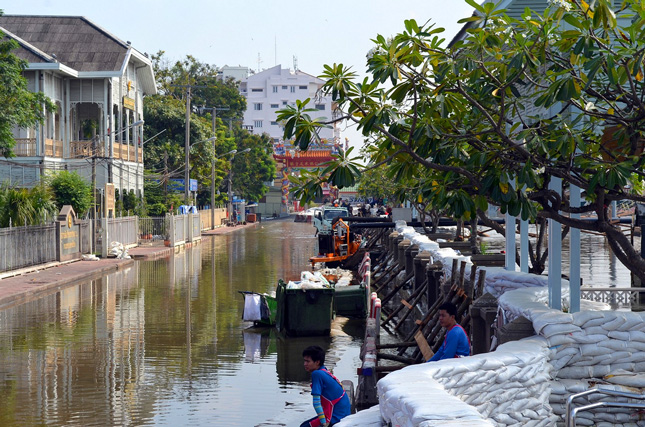
Thailand and Sri Lanka Show How Disasters Can be Catalysts of Fragility or Opportunities for Peace
›June 26, 2015 // By Wilson Center StaffIn 2011 Thailand was hit by unprecedented monsoon rains far above the average rainfall of the previous 30 years. Two million people across 26 provinces were affected. During the crisis, hundreds of civilians took it to the streets to protest discrimination by the Flood Response Operation Center and the unfair distribution of water, electricity supply, shelter, and food. Civilians were so angry that they broke a sandbag wall in Bangkok which was protecting a wealthy district from water surges. Public unrest and discontent with the government continued until a military coup in 2013.
-
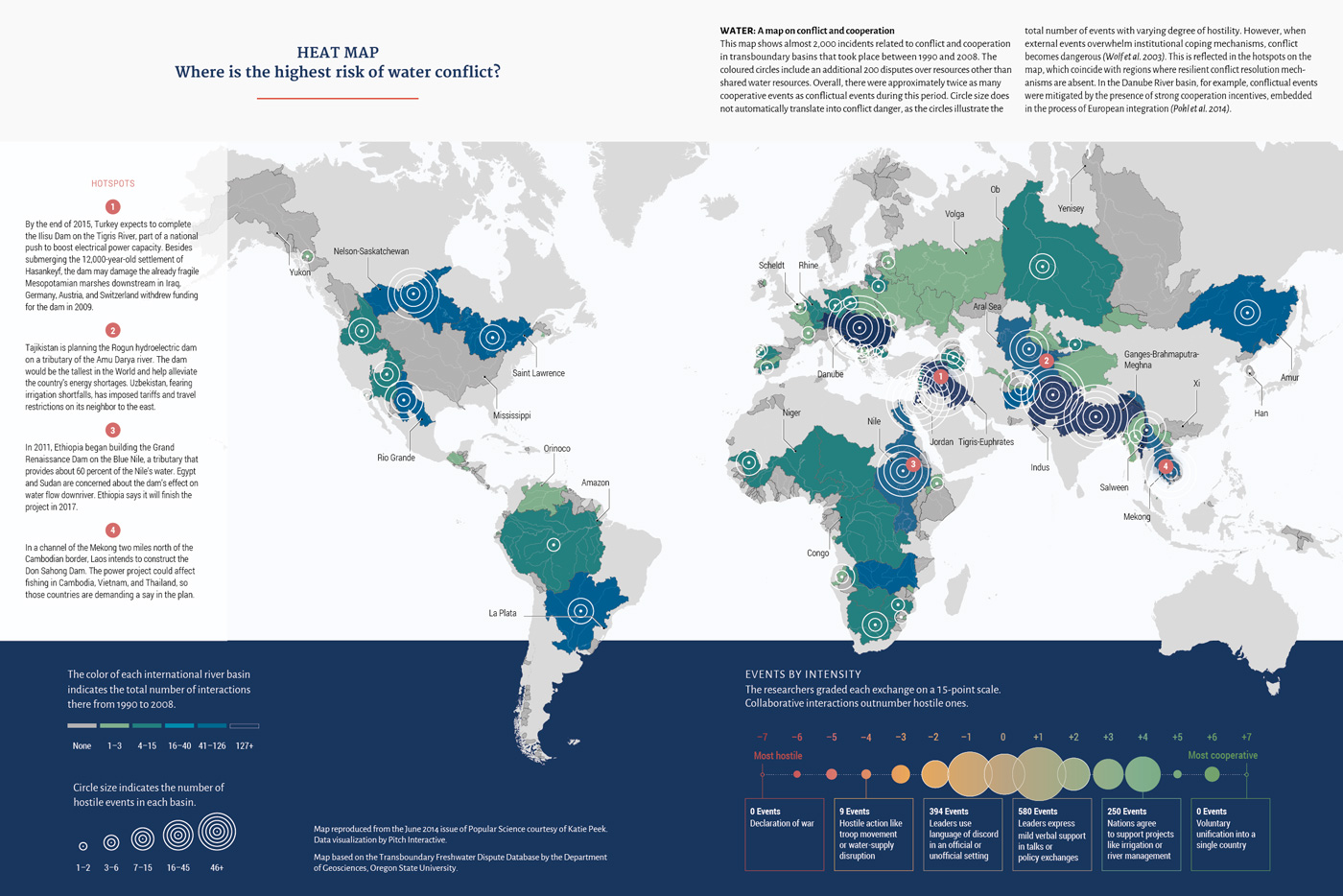
The World’s Most Hostile International Water Basins [Infographic]
›At the launch of A New Climate for Peace, a new report on climate-fragility risks produced for the G7 by a consortium of international partners including the Wilson Center, USAID Deputy Assistant Administrator Christian Holmes called water a common denominator for climate risk.
-
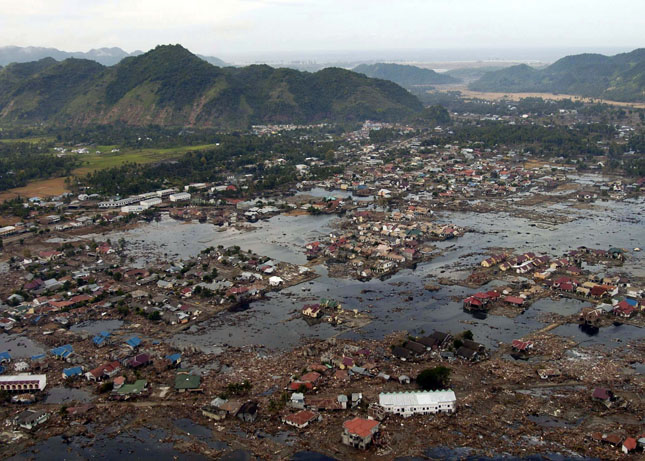
Adapting to Global Change: Climate Displacement, Mega-Disasters, and the Next Generation of Leaders
›The world is more connected than ever before, but also more complex. Big, transnational trends like climate change, urbanization, and migration are changing the calculus of geopolitics, while local-level inequalities persist. “[Change] seems to be spinning around us so fast,” said John Hempelmann, president of the Henry M. Jackson Foundation, which honors the legacy of the late senator from Washington State. How can today’s and tomorrow’s leaders adjust to global trends? [Video Below]
-
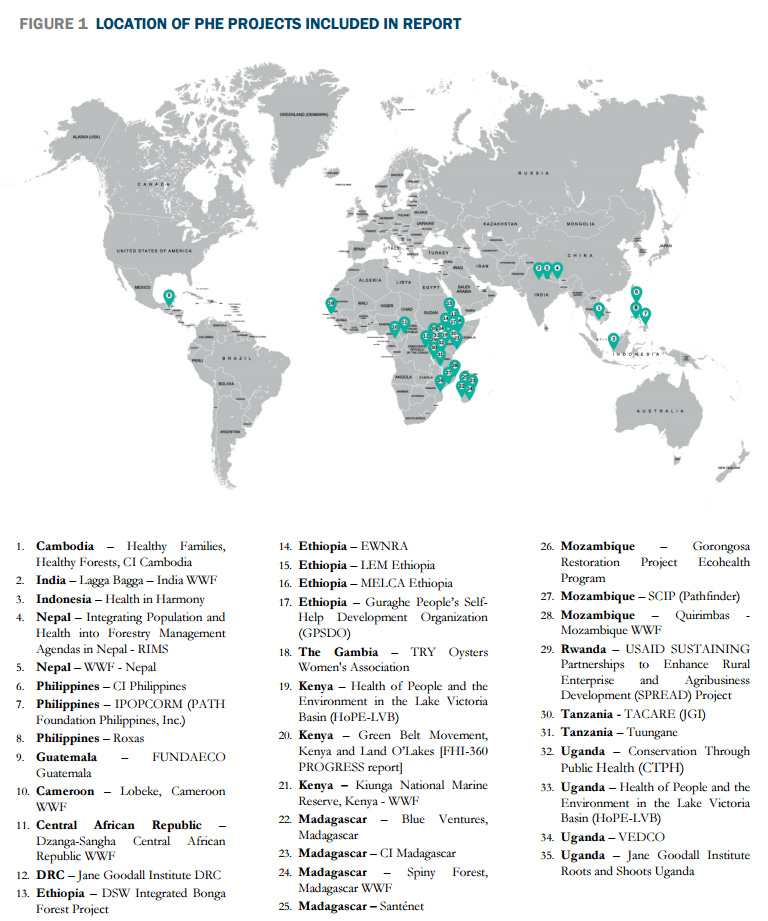
Do Population, Health, and Environment Projects Work? A Review of the Evidence
›Frequent readers of New Security Beat are no strangers to the PHE approach to development – projects, often community-based, that integrate population, health, and environmental programming in a single intervention. Practitioners suggest that such integrated programming is more effective and efficient than running simultaneous siloed projects, each focusing on a narrower objective. But does the evidence support this conclusion? How effective is the PHE approach?
-
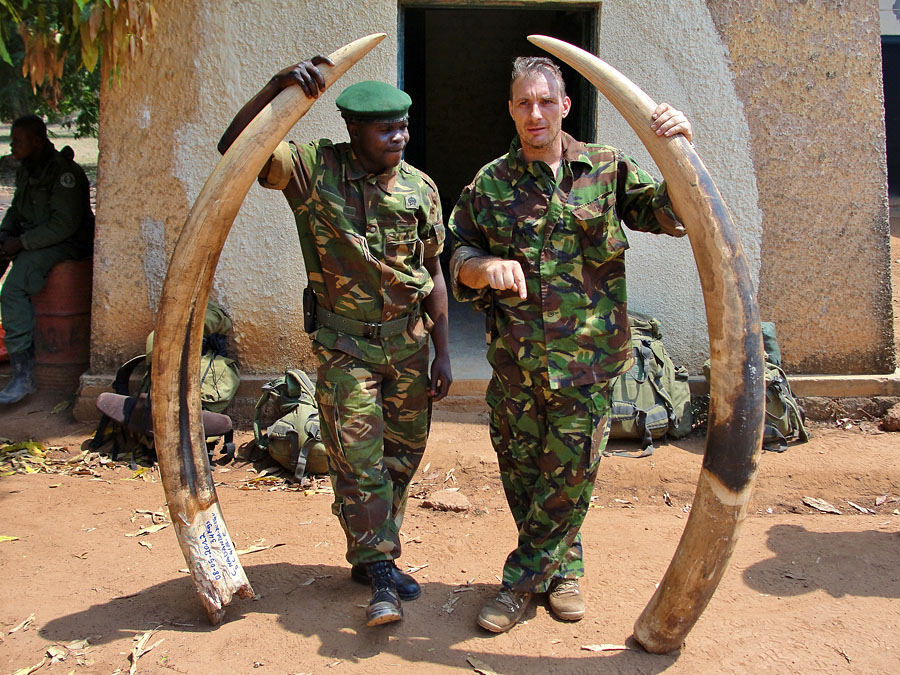
Is Wildlife Trafficking a National Security Threat?
›Trafficking of illegal wildlife goods is quickly becoming one of the most lucrative illicit businesses in the world. With growing demand in Asia, an industry that was once fed by isolated, small-scale poaching incidents is now run by well-organized, transnational criminal networks, similar to narcotics and guns. The Obama administration labeled wildlife trafficking as a national priority in 2013 and released a National Strategy for Combatting Wildlife Trafficking in 2014. A detailed implementation plan for the strategy followed this year, identifying key steps and implementing agencies to help end trafficking in the United States and abroad.
Showing posts from category Asia.