

-
Leslie Rose, Global Waters
Incubating Innovation: Solutions for a Parched Earth
›March 24, 2016 // By Wilson Center Staff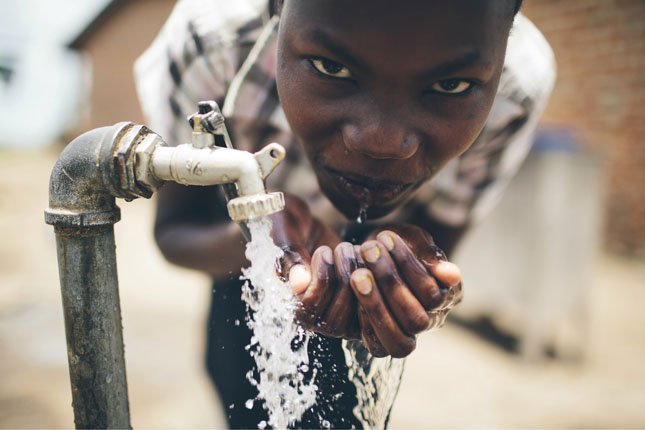
Massive droughts and water demands from a world population projected to grow to 9 billion by 2050, translate to food insecurity and lack of water for agriculture. Securing Water for Food sources and invests in a portfolio of innovative solutions that help farmers use water more efficiently and effectively; improve water storage for lean times; and remove salt from water to make more food.
-
Global Stories From the Nexus of Gender and Climate Change Vulnerability
›March 21, 2016 // By Gracie Cook
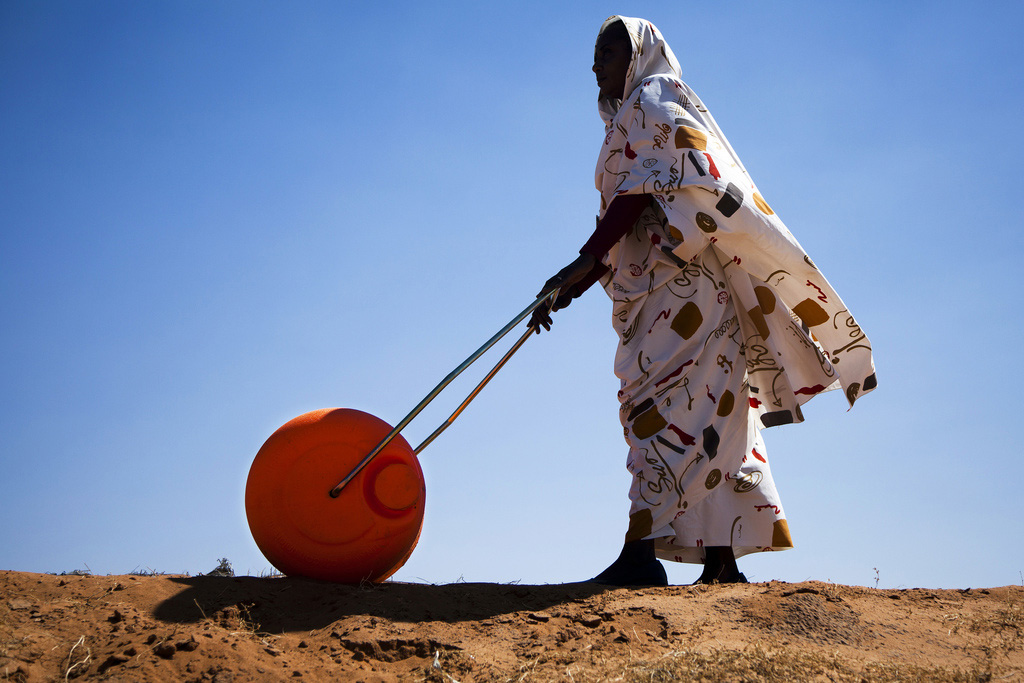
Developing countries are in a pitched fight against the effects of climate change, and women, playing prominent roles in agriculture and household resource collection, are “at the front lines in the battle,” writes UN Framework Convention on Climate Change Executive Secretary Christiana Figueres, in a new report.
-
Kabul Greenbelt Project Aims to Restore Some Luster to War-Ravaged Capital – and Resilience Too
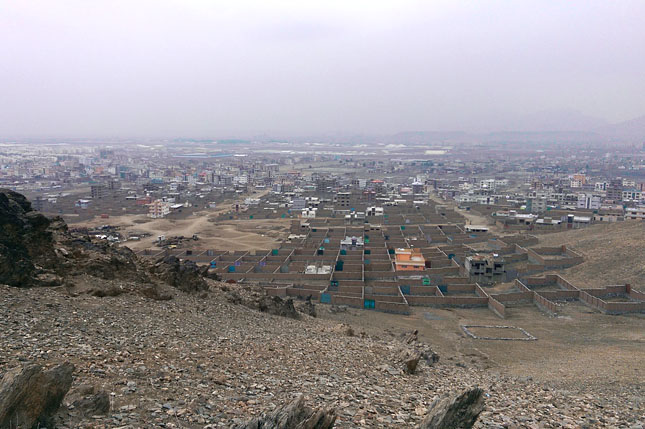
›It’s hard to imagine today, but Kabul was once ringed with grassy areas and shrubs, a few trees in areas too. Some of my husband’s favorite recollections of early 1970s Afghanistan are of simple family picnics in picturesque parks. Hours of lounging, grilling kebab, preparing rice, and conversing were a respite from the oppressive heat of the capital. Sometimes a picnic would become an all-night, extended family gathering. The Gardens of Paghman were a favorite destination with rows of pine trees, roses, and cool fountains. Pre-war family photos reveal neatly trimmed trees, bushes, and ample grassy areas for impromptu games. The family picnic is still popular among the Afghan diaspora. In the United States, Afghan community events are often held in parks, and involve large, multi-family picnics.
-
The Environment and Energy Stories to Watch in 2016
›The climate agreement reached in Paris last December, seen by many as a critical step toward lowering greenhouse gas emissions, was big news – perhaps too big. Pointing to the thousands of articles about COP-21, National Geographic Senior Editor Marla Cone asked at a recent Wilson Center panel, “Is this a wise use of resources, when newsrooms are so stretched thin, to have everybody pretty much chasing the same stories?”
-
Cleaning up China’s Ports: Shenzhen Explores Fuel Switching and Onshore Power
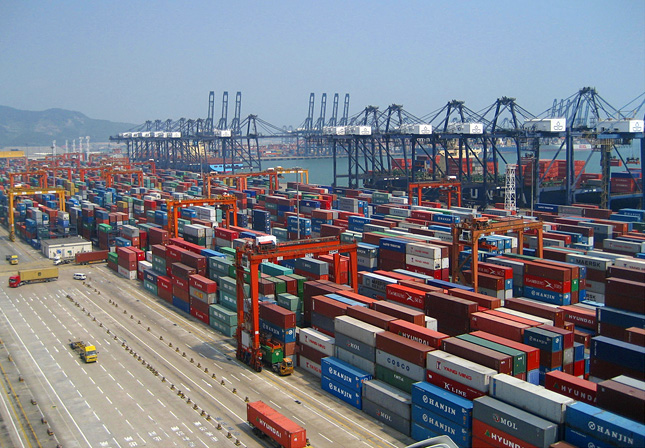
›China’s “strictest air protection law” yet took effect on January 1, 2016, promising to bring big changes to its smog-filled cities. But some municipal governments have been ahead of the curve, working to clean up the air through experimentation and innovation. Shenzhen, China’s first special economic zone and which recently passed its neighbor Hong Kong to lead China’s most competitive cities, is one of these.
-
It’s OK to Play With Your Food: What We Learned From a Global Food Security Game
›The year is 2022. Strong El Niño and La Niña events in successive years have drastically reduced wheat yields in India and Australia and increased the range of certain pests and plant pathogens in the Western Hemisphere. Moreover, a drought across North America has reduced corn and soybean yields significantly. Global commodity prices are up 262 percent over long-term averages. These price increases are compounding other social and economic challenges, contributing to social unrest in several food-importing nations.
-
Mike Eckhart: “We Are 40 Years Into a 100-Year Energy Transition”
›“In my view, we are 40 years into a 100-year transition to a clean energy economy,” says Mike Eckhart, global head of environmental finance and sustainability at Citigroup, in this week’s podcast. “We’re in the mainstream of building an industry.” -
Jagdish Upadhyay: Don’t Wait for the Demographic Dividend, Seize It
›“The demographic dividend is about inclusive growth, not just economic growth,” says Jagdish Upadhyay, chief of commodity security at the United Nations Population Fund (UNFPA), in this week’s podcast. “If it’s not inclusive, achieving the demographic dividend will be difficult.”
Showing posts from category Asia.
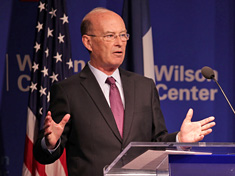 “In my view, we are 40 years into a 100-year transition to a clean energy economy,” says Mike Eckhart, global head of environmental finance and sustainability at Citigroup, in this week’s podcast. “We’re in the mainstream of building an industry.”
 “The demographic dividend is about inclusive growth, not just economic growth,” says Jagdish Upadhyay, chief of commodity security at the United Nations Population Fund (UNFPA), in this week’s podcast. “If it’s not inclusive, achieving the demographic dividend will be difficult.”

