-
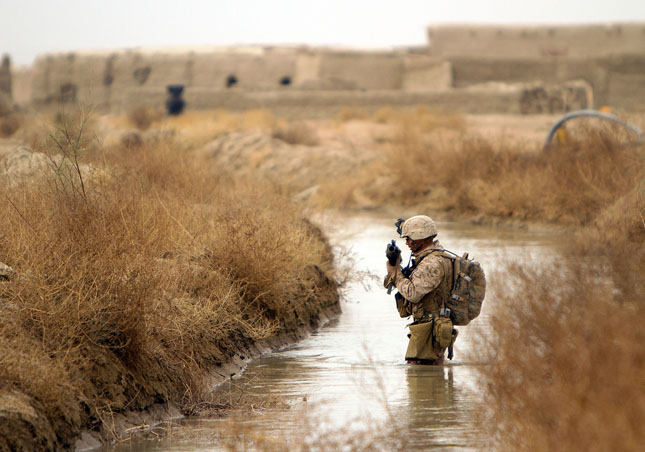
Eric Holthaus, Ensia
New Rainfall Data: “Now, We Can Accurately Identify How Horrible Things Are”
›April 28, 2016 // By Wilson Center Staff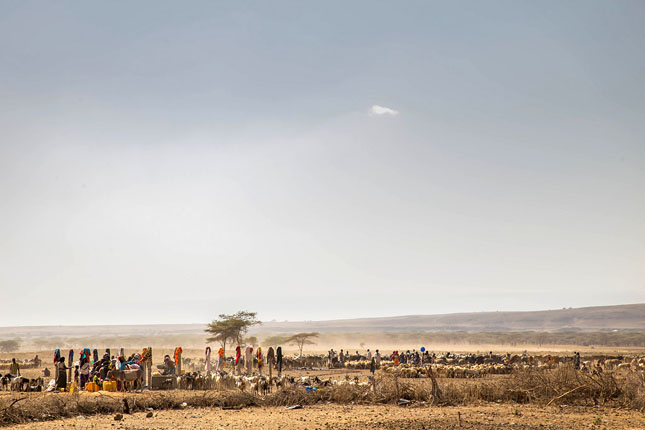
People in developed countries rarely think of weather in life-or-death terms. But millions in the developing world have no choice but to do so. The global rich have stable governments, savings accounts, insurance, and more to fall back on when disaster strikes. People in poorer countries don’t, so they’re often faced with tough decisions in times of drought: Sell the only ox for food and plow by hand next year? Take the kids out of school and put them to work chopping firewood for extra cash? Abandon the farm and family to look for work in the city?
-
Culture and Rights: The Struggle From Within to End Female Genital Cutting
›
Ashraf and Shazia use the word “guilt” often.* Their voices tremble as they rewind to the day when they read an article in an Indian magazine, Manorama, that opened their eyes to the reality of khatna – the practice of female genital mutilation among their community. “We felt guilt – immense, powerful guilt – when we realized that this was not needed, that we didn’t need to put our elder daughter through this,” the parents say. “We had no idea this was just going on, prevalent, generation after generation.”
-
Can Citizen Science Help Small Communities Combat Big Fishing Fleets?
›This Earth Day weekend, the U.S. Department of State is hosting more than 2,000 coders in more than 40 cities to encourage creative thinking about technological solutions to ocean issues. The third annual Fishackathon could produce new tools for local communities to track long-distance fishing, a growing problem in some places, as China, in particular, scales up its efforts.
-
Joan Whelan on a New Strategy at the Office of Food for Peace: Address Conflict
›Since its inception more than 60 years ago, USAID’s Office of Food for Peace has provided critical food assistance to billions of people around the world. Yet, despite its name, the office lacked a strategy to address the effects of conflict on its work. -
Tracking China’s “Foul and Filthy” Rivers With Citizen Science
›Blackened rivers snake the ring roads of Beijing, carrying pollution and often smelly water from one end of the city to another. The most polluted of these have been dubbed “foul and filthy” rivers (黑臭河) by China’s Ministry of the Environment (MEP) and Ministry of Housing and Urban-Rural Development (MOHURD). However, the government has decided to clean these up – and is enlisting the help of the public to do so.
-
Myanmar’s Democratic Deficit: Demography and the Rohingya Dilemma
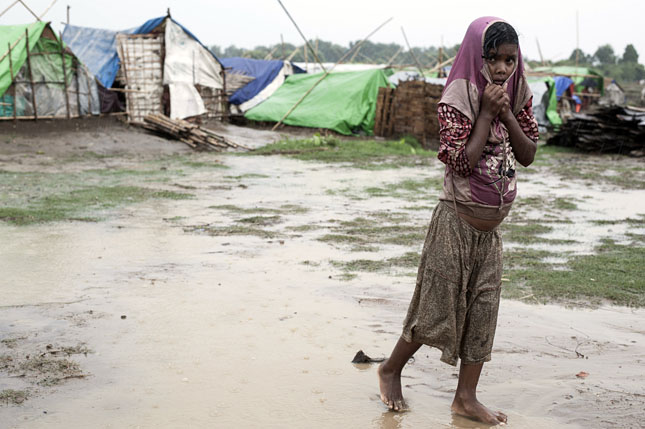
›According to political demographers, who study the relationship between population dynamics and politics, two characteristics when observed together provide a rather good indication that a state is about to shed its authoritarian regime, rise to a high level of democracy, and stay there. Myanmar has both.
-
Sharon Burke on How the U.S. Military Is Planning for Climate Change
›Climate change is impacting the U.S. military in two major ways, explains Sharon Burke in this week’s podcast. -
Keith Johnson, Foreign Policy
Pentagon Directive Quietly Makes Climate Change Long-Term Priority
›March 24, 2016 // By Wilson Center StaffIn the middle of January, Deputy Secretary of Defense Robert Work signed off on one of the potentially most significant, if little-noticed, orders in recent Pentagon history. The directive told every corner of the Pentagon, including the office of the secretary of defense, the joint chiefs of staff, and all the combatant commands around the world, to put climate change front and center in their strategic planning.
Showing posts from category Asia.

 Since its inception more than 60 years ago, USAID’s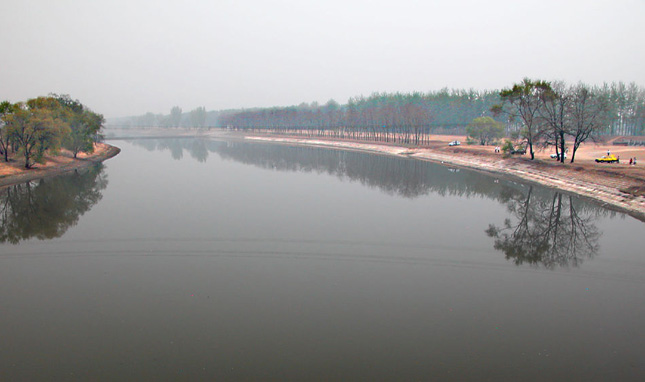
 Climate change is impacting the U.S. military in two major ways, explains Sharon Burke in this week’s podcast.