-
Building a Case for Integrated Development: A New Research Agenda and Examples From the Field
›
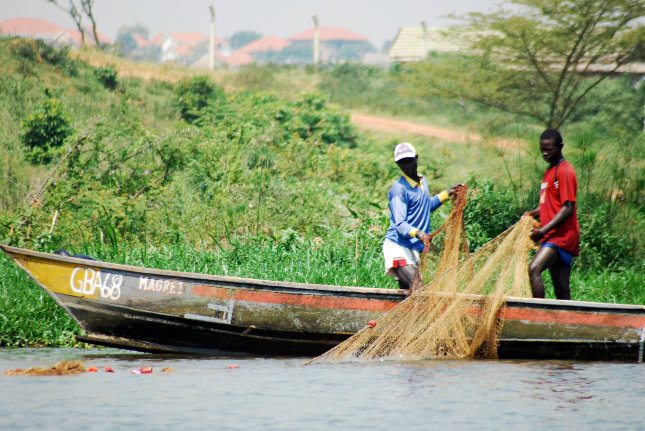
With the Sustainable Development Goals nearing their one-year anniversary, the global community continues to strive toward eradicating poverty by 2030. In order to achieve this ambitious target, many international development practitioners are embracing a more holistic approach to development, combining traditionally single-sector programming, like health or environment work, into more comprehensive efforts. But such integrated development is sometimes easier said than done.
-
Seeing Around the Corner: Contemporary Challenges for Foresight and Futures Analysis
›
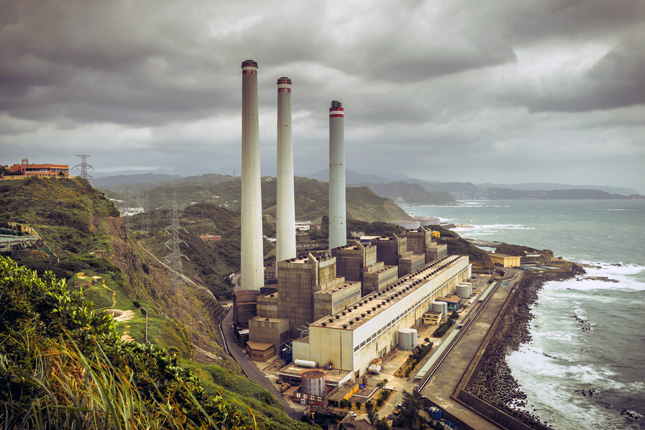
Most citizens of democratic nations expect their governments to do their very best to make society more egalitarian, productive, adaptive, and resilient. To do so requires governments to track not just today’s headlines but grapple with long-term underlying trends, like globalization and demographic change. Governments must also make assumptions about the future course of these trends and examine how they might collide or build on one another.
-
At the Eye of the Storm: Women and Climate Change
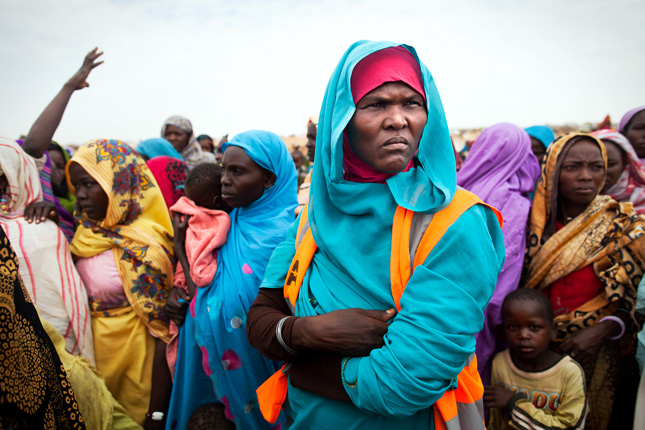
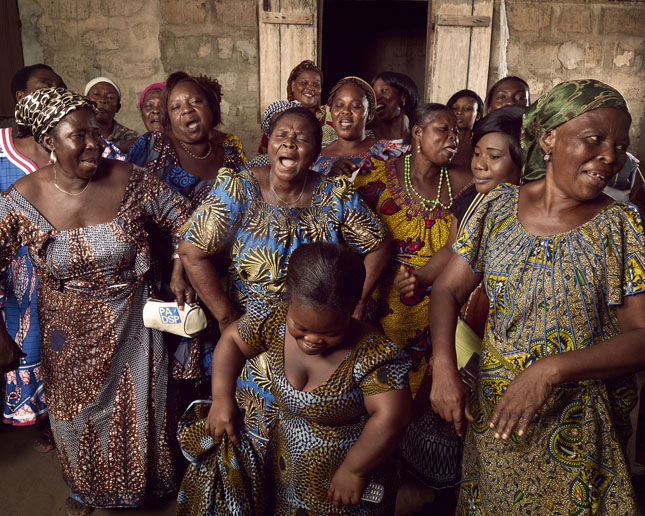
›Struggling to save their failing crops. Walking farther afield to fetch clean water. Protecting their families from devastating storms and violent conflicts. “Women are usually the support systems for our family…we are the last to leave in the event of a catastrophe, which is why women and families are disproportionately hurt by climate catastrophes,” said Wilson Center President, Director, and CEO Jane Harman on June 23 during a conference on women and climate change. [Video Below]
-
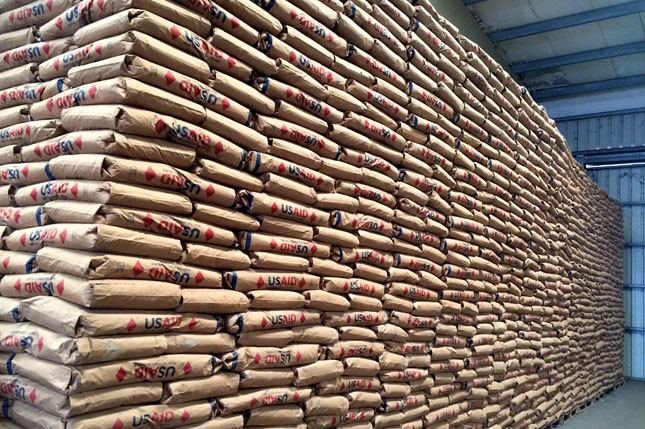
Inside a Data-Driven Attempt to Fight Spoilage in U.S. Food Aid
›Today, as El Niño-related droughts impact communities across East and Southern Africa, food aid shipment and distribution networks have shifted into high gear. From the U.S. Agency for International Development to the United Nations World Food Program and NGOs like CARE and Save the Children, food aid providers are stocking port warehouses in Djibouti and South Africa, as well as inland warehouses in countries like Ethiopia, Zimbabwe, and Lesotho.
-
Christian Holmes, Global Waters
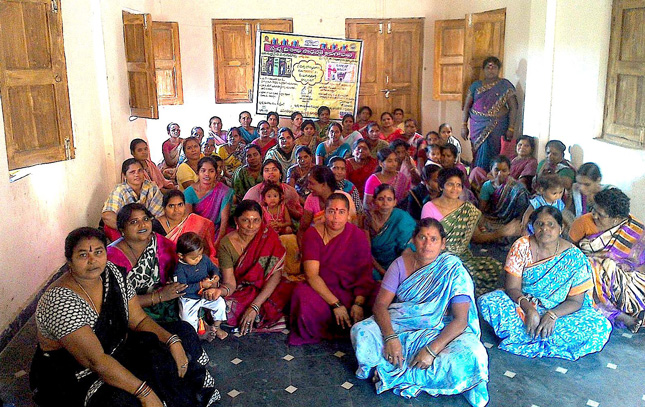
USAID Effort Joins Women’s Groups to Improve Sanitation in Vizag, India
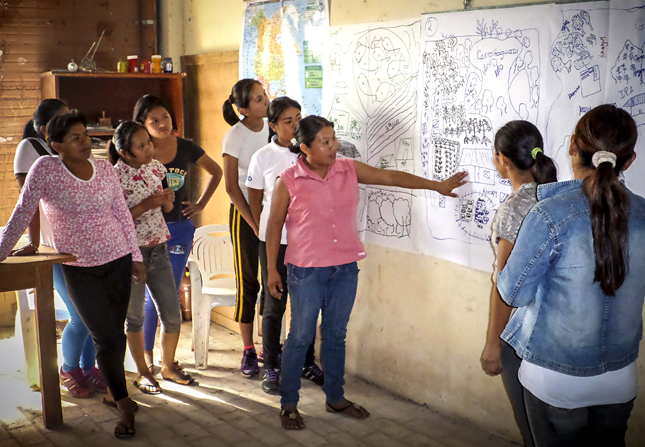
›July 14, 2016 // By Wilson Center StaffAt USAID we recognize the threat poor sanitation combined with rapid urbanization presents to human health, dignity, and prosperity. This is why we have made urban sanitation a global priority for the Agency. During a recent visit to India, I was able to see some of the work being done to bring sanitation services to urban areas, and had the good fortune to meet some inspiring women who are advancing these efforts in their communities.
-
HoPE for Sustainable Development: Results From an Integrated Approach in East Africa
›The Sustainable Development Goals (SDGs) are an ambitious framework for reducing poverty and improving the lives of billions of people. They were agreed to last year by governments at the United Nations and cover developing and developed countries alike. But how will governments, NGOs, and other organizations go about actually accomplishing them over the next 15 years? [Video Below]
-
What Next? Climate Mitigation After Paris
›The Paris Climate Agreement sets forth a bold goal to reduce greenhouse gas emissions, keep global temperature rise below 2.0 degrees Celsius, and employ best efforts toward no more than 1.5 degrees of warming. It also sets forth a new set of rules to achieve these goals. [Video Below]
-
New Approaches to Addressing Gender Inequality in Global Development
›In principle, development organizations and donors have known that gender dynamics affect the success or failure of their efforts for some time. In practice, overturning cultural mores while at the same time improving health outcomes, incomes, or food security can be difficult. [Video Below]
Showing posts from category USAID.