Showing posts from category USAID.
-
Women in Agriculture: Closing the Gender Gap for Development and World Hunger
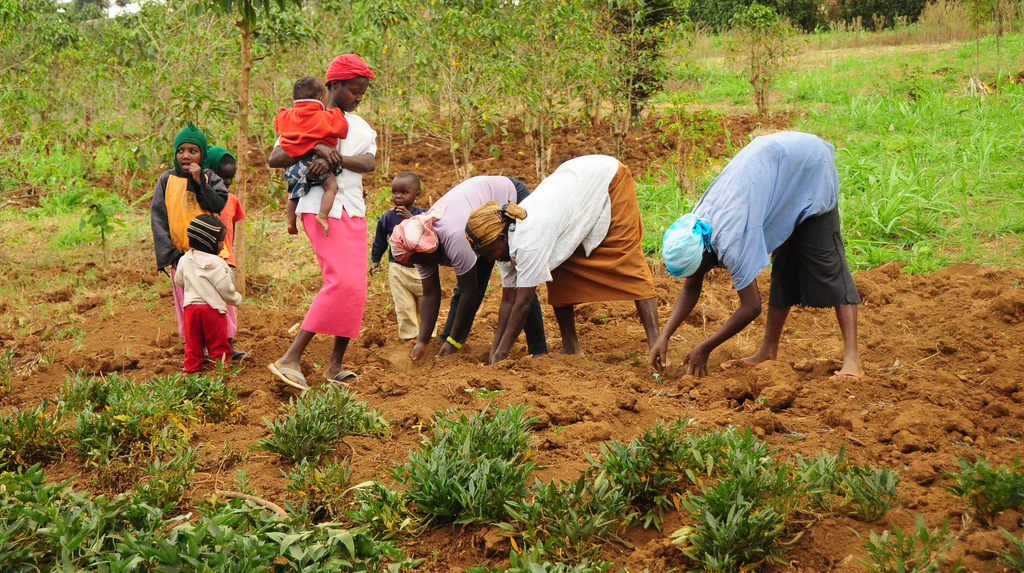
›June 22, 2011 // By Kellie FurrProviding women with equal access to productive resources and opportunities may be the key to bolstering the struggling global agricultural sector and feeding communities living in extreme hunger, according to the UN Food and Agriculture Organization’s (FAO) latest State of Food and Agriculture report, which this year is sub-titled, “Women in Agriculture: Closing the Gender Gap for Development.”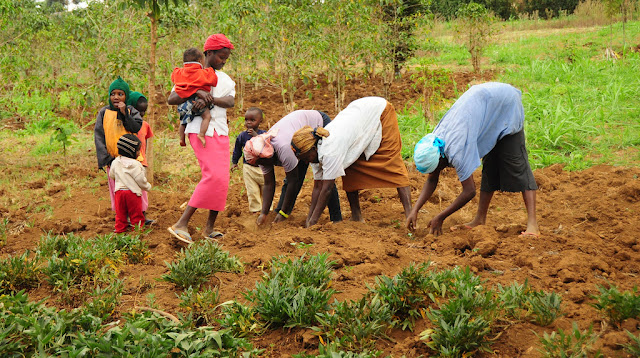
“Women are farmers, workers, and entrepreneurs, but almost everywhere they face more severe constraints than men in accessing productive resources, markets, and services,” write the authors. “This ‘gender gap’ hinders their productivity and reduces their contributions to the agriculture sector and to the achievement of broader economic and social development goals.”
Barriers to Productivity
Globally, women comprise 43 percent of the agricultural labor force, ranging from 20 percent in Latin America to 50 percent in southeastern and eastern Asia and sub-Saharan Africa, according to the report. But despite their significant global presence, female farmers face gender-specific constraints that hinder access to productive resources, financial support, information, and services required to be viable and competitive. “The yield gap between men and women averages around 20 to 30 percent, and most research finds that the gap is due to differences in resource use,” write the authors.
Generally, women are more likely than men to hold lower-wage, part-time, or seasonal positions and tend to get paid less even when they are more qualified. Furthermore, domestic and occupational lines are blurred for women, who are often not compensated for work that is closely related to domestic food preparation. Most significantly for agricultural productivity, women across the developing world often lack access to quality land, sometimes being barred from land ownership. This ban precludes female farmers from exercising managerial discretion over farming activities, such as entering contract farming agreements. Women also generally own less livestock and contract for less labor – two crucial assets for marketable agricultural production in many developing countries. Moreover, because of insufficient land and resources, women farmers are also more vulnerable to climate shocks.
Resource barriers for female farmers extend to education, finance, and technology as well. The authors observe that “female household heads in rural areas are disadvantaged with respect to human capital accumulation in most developing countries, regardless of region or level of economic development,” which represents a historical bias against females in education. Despite notable success observed in finance projects involving female farmers, gender bias exists in the financial system, which prevents women from bearing initial financial risk in order to increase long-term productivity gains. Sources of gender bias in the financial sector include legal barriers, cultural norms, lack of collateral, and institutional discrimination by public and private lenders. Due to the aforementioned lack of credit, labor, and education, women farmers are deficient in all aspects of technology, such as the acquisition of new equipment, information about new seed varietals and animal breeds, pest control measures, and management techniques.
Global Implications
Closing the gender gap could have profound implications for easing world hunger. According to the FAO, approximately 925 million people are currently undernourished, most of whom live in developing countries. If women were given all the inputs and support as men, agricultural output could increase by 2.5 to 4 percent in developing countries, potentially reducing the world’s hungry by 100 to 150 million people. “This report clearly confirms that the Millennium Development Goals on gender equality (MDG 3) and poverty and food security (MDG 1) are mutually reinforcing,” FAO Director-General Jacques Diouf argues in his introductory remarks.
Increasing the economic viability of women farmers may also translate into better infant and child health indicators – when women control additional income, they tend to allocate more of their earnings toward the health and well-being of their children. Closing the agricultural gap is “a proven strategy for enhancing the food security, nutrition, education, and health of children,” Diouf asserted. “Better fed, healthier children learn better and become more productive citizens. The benefits would span generations and pay large dividends in the future.”
Finally, the FAO notes that in addition to reducing child mortality rates, increasing female education and economic prosperity helps lower fertility rates, which over time increases human capital and can help drive a demographic transition towards lower dependency rates and higher per capita growth.
Closing the Gender Gap
“The conclusions are clear,” write the authors:1) Gender equality is good for agriculture, food security, and society; and
Though they note that “no simple ‘blueprint’ exists for achieving gender equality in agriculture,” the authors do recommend some basic principles to the development community, including working towards eliminating discrimination against women under the law, strengthening rural institutions and making them gender-aware, freeing women for more rewarding and productive activities, building the human capital of women and girls, bundling interventions, improving the collection and analysis of sex-disaggregated data, and making gender-aware agricultural policy decisions.
2) Governments, civil society, the private sector and individuals, working together, can support gender equality in agriculture and rural areas
Recognizing that “women will be a pivotal force behind achieving a food secure world,” the U.S. Agency for International Development (USAID) has actually launched initiatives aimed directly at closing the gender gap. The Feed the Future initiative, announced last spring, includes a heavy focus on gender equity and integration with small-scale farming initiatives. For example, the Office of Women in Development is supporting a three-year project in Liberia, “Integrated Agriculture for Women’s Empowerment,” that aims to train and support 1,500 small farmers in Lofa county, two-thirds of whom are women. And in Rwanda, USAID helped the Ministry of Agriculture and Animal Resources – headed by Dr. Agnes Kalibata – develop a national investment plan, which has been successful in bringing in donor support.
However, the FAO report does not offer specific feedback on programs like Feed the Future, which is arguably a crucial component of a truly comprehensive assessment on the current state of agriculture. Though they write that the State of Food Agriculture series is intended to simply be “science-based assessments of important issues,” the infancy of these food security efforts and the immediacy of the problems examined (see recent food price instability) creates an excellent opportunity for critical input. “Women in Agriculture” offers perhaps the most comprehensive report on the gender gap and development to date, but more specific critiques on the current efforts of USAID and others might make more of an impact in a field where the issues at play have been fairly clearly enumerated many times before.
Sources: Food and Agriculture Organization, The Hunger Project, International Fund for Agricultural Development, Population Action International, USAID.
Photo Credit: Adapted from “Ngurumo Village-Ntakira (Kenya),” courtesy of flickr user CGIAR Climate. -
Helping Hands: An Integrated Approach to Development
›Originally featured in the Wilson Center’s Centerpoint, June 2011.
“At the moment, the agendas of the growing population of people and the environment are too separate. People are thinking about one or the other,” said Sir John Sulston, Nobel laureate and chair of the Institute for Science, Ethics, and Innovation at the University of Manchester, in an interview with the Environmental Change and Security Program (ECSP).
“People argue about, ‘Should we consume less or should we have fewer people?’ The point is it’s both. We need to draw it together. It’s people and their activities.”
Many who research and work on population, health, and environment (PHE) issues are increasingly advocating integrated solutions. Such issues as population growth, natural resource management, and food security, are interrelated challenges that, if addressed concurrently, likely will yield better results and community trust.
With this notion in mind, ECSP launched the five-year HELPS (health, environment, livelihoods, population, and security) project in October 2010. The project focuses on integrated PHE programs and demographic security linkages. HELPS also looks at population’s links to global environmental priorities, media coverage of population, and related issues like gender, youth, and equity.
Funded by USAID’s Office of Population and Reproductive Health through its IDEA (Informing Decision-makers to Act) grant, the HELPS project builds on ECSP’s 14-year history of exploring nontraditional security issues.
Population-Environment Connection
A February event in the HELPS series featured Sir John Sulston, who said dialogue between population and environmental communities has received renewed attention and is reappearing on national agendas.
The Royal Society’s People and the Planet study, which will be completed by early 2012, will “provide policy guidance to decision-makers as far as possible” and aims to facilitate dialogue, he said. The HELPS Project is helping the working group gather evidence of population-environment connections and to identify solutions.
“What we should be aiming to do is to ensure that every individual on the planet can come to enjoy the same high quality of life whilst living within the Earth’s natural limits,” said Sulston. People are happier, healthier, and wealthier than ever before, according to human development indexes. But, Sulston said, 200 million women worldwide have an unmet need for family planning, ecosystems are degraded, biodiversity has decreased, and there are widespread shortages of food and water.
“Many times we tackle different development challenges through single sector programs: health programs, agriculture programs, water programs. Those single sector approaches can make sense,” said ECSP Director Geoff Dabelko on the Wilson Center’s Dialogue television program. “But, of course, poor people are facing all those life and death challenges at once. We have to find ways to help them meet those challenges together in an integrated fashion.”
On the same program, Roger-Mark De Souza, vice president for research and director of the Climate Program for Population Action International, said the drive for integrated development stems from the communities being served, not necessarily from outside aid groups. “We’ve seen that there’s a greater impact because there’s longer sustainability for those efforts that have an integrated approach,” he said. “There’s a greater understanding and a greater appreciation of the value that [PHE] projects bring.”
At an April 7 ECSP event, De Souza said rural communities in developing countries understand that high population growth rates, poor health, and environmental degradation are connected. An integrated approach to development, he said, is a “cost-effective intervention that we can do very easily, that responds to community needs that will have a huge impact that’s felt within a short period of time.”
Proponents of integrated development face significant barriers, but the tide may be turning. To fully harness this momentum, former ECSP Senior Program Associate Gib Clarke argues in his FOCUS brief, “Helping Hands: A Livelihood Approach to Population, Health, and Environment Programs,” that the PHE community must solidify its research base, reach out to new partners, and push for flexible funding and programming. He suggested changing the name PHE to HELP – health, environment, livelihoods, and population. By adding livelihoods, the glue that binds population, health, and the environment, he said, the HELP moniker might broaden its appeal to new donors and practitioners.
Case Study: Madagascar
In Madagascar, a key country for integrated PHE programs, “today’s challenges are even greater than those faced 25 years ago,” said Lisa Gaylord, director of program development at the Wildlife Conservation Society, at a March 28 Wilson Center event. As the country’s political situation has deteriorated since 2009, the United States and other donors pulled most funding, and some PHE programs were forced to discontinue environmental efforts.
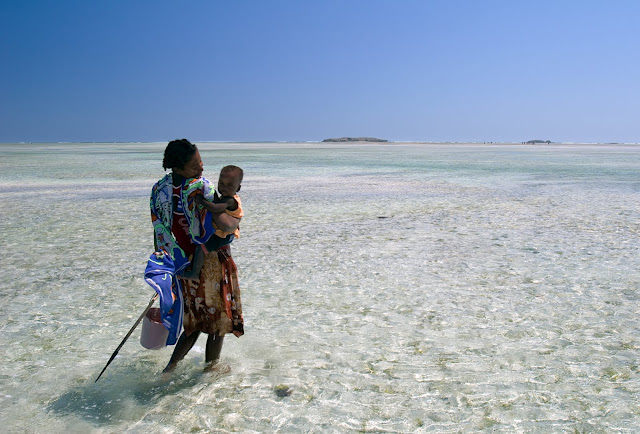
But other PHE programs are expanding: Based in southwestern Madagascar, the Blue Ventures program began as an ecotourism outfit, said Program Coordinator Matt Erdman, but has since grown to incorporate marine conservation, family planning, and alternative livelihoods. A major challenge is its rapidly growing population, which threatens the residents’ health and food security, as well as the natural resources on which they depend. More than half the island’s population is younger than 15, and the infant and maternal mortality rates are high, Erdman said.
In response, Blue Ventures set up a family planning program. The program uses a combination of clinics, peer educators, theater presentations, and sporting events, such as soccer tournaments, to spread information about health and family planning. The HELPS project will soon publish a Focus brief on Blue Ventures’ family planning efforts, titled: “To Live with the Sea.”
Erdman said, “If you have good health, and family size is based on quality, families can be smaller and [there will be] less demand for natural resources, leading to a healthier environment.”
Demographic Security
A country’s age structure can pose a challenge, said Jennifer Dabbs Sciubba, the Mellon Environmental Fellow with the Department of International Studies at Rhodes College, at a March 14 Wilson Center event. Countries with a large percentage of people younger than 30 “are [much] more likely to experience civil conflict than states with more mature age structures.”
Tunisia’s recent revolution, Sciubba said, could be understood as a “story about demography.” Countries with transitional age structures, such as India, Brazil, and South Africa, face different security challenges. With a majority of their populations between 15 and 60 years old, more people are contributing to the economy than are taking away, which could bolster these countries economically and politically. Global institutions will have to reform and include these countries, she advised, “or else become irrelevant.”
“Understanding population is critical to our success in being able to prevent conflict, and also managing conflict and crises once we’re involved,” said Kathleen Hicks, Deputy Undersecretary at the Department of Defense (DOD). However, the DOD does not “treat demographics as destiny,” she said, but instead as “one of several key trends, the complex interplay of which may spark or exacerbate future conflicts.”
Demography can also help predict political trends. In 2008, demographer Richard Cincotta predicted that between 2010 and 2020 the states along the northern rim of Africa – Morocco, Algeria, Tunisia, Libya, and Egypt – would each reach a demographically measurable point where the presence of at least one liberal democracy among the five would be probable. Recent months have brought possible first steps to validate that prediction.
Mathew Burrows, counselor at the National Intelligence Council, said Cincotta’s work demonstrates that “the demographic tool is essential” to analysts and policymakers. “There is a real appetite among policymakers” for understanding demography, he said, because it gives them more structure than political science narratives.
Yemen is another example of this trend. In March, tens of thousands of youth-led demonstrators demanded that their president resign. While numerous factors have sparked the “Arab Spring,” one driving force is Yemen’s dire demographic and environmental situation. Some experts say Yemen may be the first country to run out of groundwater. The average Yemeni woman has more than five children, and 45 percent of its population is below age 15. On May 18, Yemeni and international experts discussed these issues at the Wilson Center. Upcoming HELPS events include daylong conferences on Afghanistan and Nigeria.
There are solutions that can break the links between “youth bulges” and insecurity. In a recent video interview discussing the connection between demography and civil conflict, Elizabeth Leahy Madsen, a senior research associate at Population Action International, said, “Policies that have a major impact over time are ensuring education, especially for girls, and providing employment opportunities to the large and growing numbers of young people today.”
Dana Steinberg is the editor of the Wilson Center’s Centerpoint.
Photo Credit: Blue Ventures in Madagascar, courtesy of Garth Cripps. -
USAID Egypt’s Health and Population Legacy Review
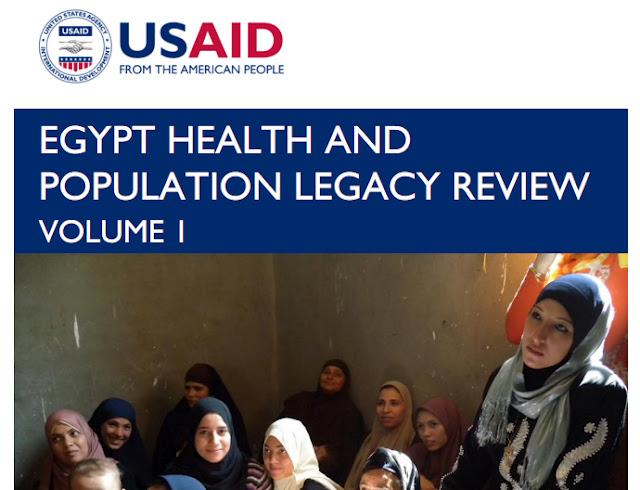
›On May 23 the Middle East Program, ECSP, and the Global Health Initiative of the Woodrow Wilson Center, along with the Global Health Technical Assistance Project, hosted a panel of speakers discussing the past 30 years of the U.S. Agency for International Development’s health and population initiatives in Egypt, as outlined in the new Egypt Health and Population Legacy Review. Geoffrey Dabelko, director of ECSP and coordinator of the Global Health Initiative at the Wilson Center, moderated the event. [Video Below]
Peter McPherson, former administrator of USAID during the Reagan administration, and George Laudato, the administrator’s special assistant for the Middle East, presented on the historical context behind USAID in Egypt and the results of their efforts. McPherson pointed to three lessons that can be drawn from the recent report:- “Big payoffs” require long-term efforts; and
- Economic support for a country can have a dramatic impact; but
- The host country’s commitments and investments are still important.
Motaz Zahran, political counselor for the Embassy of Egypt, noted that USAID efforts were “just one sector of a fruitful partnership” between the United States and Egypt that he hoped would continue. He said the success story outlined by the report was reflective of improvements in coordination and addressing specific goals.
Other panelists outlined the successes of USAID in Egypt as related to their own areas of expertise. Leslie B. Curtin, co-author of the review and an expert in demographics and health outcomes, noted the dramatic improvements in a range of health sectors, in particular the rise in contraceptive prevalence and immunization rates and decrease in both maternal and infant mortality rates.
Nahed Matta, MD, senior maternal and newborn health officer at USAID, focused on improvements to the quality of maternal health, which she said were made possibly through better technology and increased fact-gathering to identify the key factors regarding maternal health trends. Sameh El-Saharty, MD, senior health policy specialist at the World Bank and Health Legacy Review Committee member, credited the increased number of health professionals in Egypt, better information gathering on health systems, and restructured models of health insurance, as successful strategies.
Concluding the session, Amie Batson, deputy assistant administrator for Global Health at USAID, discussed the lessons that other development initiatives can draw from the legacy of USAID efforts in Egypt. She highlighted the importance of country ownership, in which the developing country engages with other institutions and religious and political leaders at both national and local levels, and of policies that fund routine monitoring and evaluation. She also outlined the possibilities of innovation and south-to-south sharing on the local and international scale, referencing inroads made by two recent initiatives: the “MAMA” mobile device program, launched by Secretary Clinton in May 2011 to assist with disseminating maternal health information, and the Saving Lives at Birth initiative, launched by USAID in partnership with several other organizations in March 2011.
Laura Rostad is an intern for the Middle East Program at the Woodrow Wilson Center.
Image Credit: Adapted from cover of the Egypt Health and Population Legacy Review, courtesy of USAID; cover photo courtesy of Leslie Curtin. -
The Walk to Water in Conflict-Affected Areas
›May 18, 2011 // By Wilson Center StaffConstituting a majority of the world’s poor and at the same time bearing responsibility for half the world’s food production and most family health and nutrition needs, women and girls regularly bear the burden of procuring water for multiple household and agricultural uses. When water is not readily accessible, they become a highly vulnerable group. Where access to water is limited, the walk to water is too often accompanied by the threat of attack and violence.
-
Connections Between Climate and Stability: Lessons From Asia and Africa
›“We, alongside this growing consensus of research institutes, analysts, and security agencies on both sides of the Atlantic, think of climate change as a risk multiplier; as something that will amplify existing social, political, and resource stressors,” said Janani Vivekananda of International Alert, speaking at the Wilson Center on May 10. [Video Below]
Vivekananda, a senior climate policy officer with International Alert’s Peacebuilding Program, was joined by co-presenter Jeffrey Stark, the director of research and studies at the Foundation for Environmental Security and Sustainability (FESS), and discussant Cynthia Brady, senior conflict advisor with USAID’s Office of Conflict Management and Mitigation, to discuss the complex connections between climate change, conflict, stability, and governance.
A Multi-Layered Problem
Climate change and stability represent a “double-headed problem,” said Vivekananda. Climate change, while never the only cause of conflict, can increase its risk in certain contexts. At the same time, “states which are affected by conflict will already have weakened social, economic, and political resilience, which will mean that these states and their governments will find it difficult to address the impacts of climate change on the lives of these communities,” she said.
“In fragile states, the particular challenge is adapting the way we respond to climate change, bearing in mind the specific challenges of operating in a fragile context,” said Vivekananda. Ill-informed intervention programs run the risk of doing more harm than good, she said.
For example, Vivekananda said an agrarian village she visited in Nepal was suffering from an acute water shortage and tried adapting by switching from rice to corn, which is a less water-intensive crop. However, this initiative failed because the villagers lacked the necessary technical knowledge and coordination to make their efforts successful in the long term, and in the short term this effort actually further reduced water supplies and exacerbated deforestation.
“Local responses will only be able to go so far without national-level coordination,” Vivekananda said. What is needed is a “harmony” between so-called “top-down” and “bottom-up” initiatives. “Adapting to these challenges means adapting development assistance,” she said.
“What we’re finding is that the qualities that help a community, or a society, or in fact a government be resilient to climate change are in fact very similar qualities to that which makes a community able to deal with conflict issues without resorting to violence,” said Vivekananda.
No Simple, Surgical Solutions
“The impacts of environmental change and management of natural resources are always embedded in a powerful web of social, economic, political, cultural, and historical factors,” said Stark. “We shouldn’t expect simple, surgical solutions to climate change challenges,” he said.
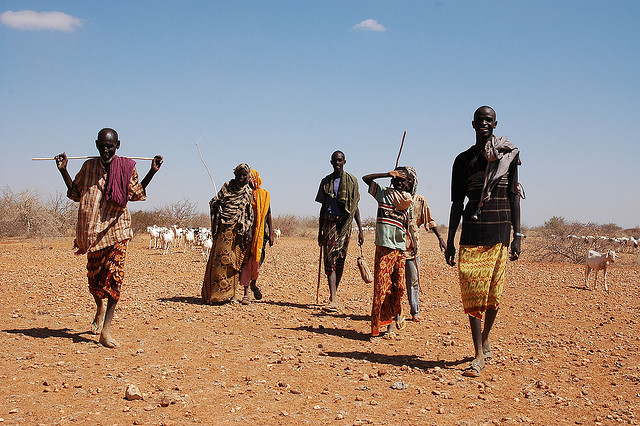
Uganda and Ethiopia, for example, both have rich pastoralist traditions that are threatened by climate change. Increasing temperatures, drought, infrequent but intense rains, hail, and changes in seasonal patterns are threatening pasture lands and livelihoods.
At the same time, pastoralists are confronting the effects of a rapidly growing population, expanding cultivation, forced migration, shrinking traditional grazing lands, anti-pastoralist attitudes, and ethnic tensions. As a result, “any intervention in relation to climate adaptation – whether for water, or food, or alternative livelihoods – has to be fully understood and explicitly acknowledged as mutually beneficial by all sides,” Stark said. “If it is seen in any way to be favoring one group or another it will just cause conflict, so it is a very difficult and delicate situation.”
Yet, the challenges of climate change, said Stark, can be used “as a way to involve people who feel marginalized, empower their participation…and at the same time address some of the drivers of conflict that exist in the country.”
Case Studies: Addressing the “Missing Middle”
When doing climate change work in fragile states, “you have to think about your do-no-harm parameters,” said Brady. “Where are the opportunities to get additional sustainable development benefit and additional stabilization benefit out of reducing climate change vulnerability?”
More in-depth case studies, such as the work funded by USAID and conducted by FESS in Uganda and Ethiopia, are needed to help fill the “missing middle” between broad, international climate change efforts – like those at the United Nations – and the community level, Brady said.
The information generated from these case studies is being eagerly awaited by USAID’s partners in the Departments of State, Defense, and Treasury, said Brady. “We are all hopeful that there will be some really significant common lessons learned, and that at a minimum, we may draw some common understanding about what climate-sensitive parameters in fragile states might mean.”
Image Credit: “Ethio Somali 1,” courtesy of flickr user aheavens. -
USAID: Maternal Deaths in Bangladesh Decline by 40 Percent in Less Than 10 Years
›The original version of this article, by the USAID Global Health Bureau, appeared on the USAID Impact blog.
Bangladesh is on track to meet the 2015 deadline for UN Millennium Development Goal 5 (50 percent reduction in maternal deaths). The Bangladesh Maternal Mortality and Health Service Survey, jointly funded by the Government of Bangladesh, USAID, Australian Aid (AusAID) and the United Nations Population Fund (UNFPA), found that maternal deaths in Bangladesh fell from 322 per 100,000 in 2001 to 194 in 2010, a 40 percent decline in 9 years.
The decline in direct obstetric deaths is most likely the consequence of better care seeking practices and improved access to and use of higher-level referral care. The decline in total fertility rate due to the successful family planning program has reduced exposure to high risk pregnancies and has thus prevented a large number of maternal deaths.
Continue reading on USAID’s Impact blog.
Sources: Directorate General of Health Services – Bangladesh, UN.
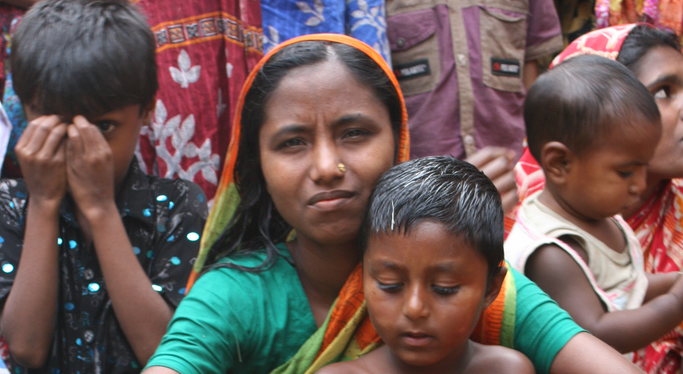
Photo Credit: Adapted from “Mother & Son,” courtesy of flickr user Anduze traveller. -
USAID’s Role in National Security: Development Matters and It’s Cheaper Than You Think
›February 22, 2011 // By Ramona Godbole“Development is not and cannot be a sideshow,” said U.S. Agency for International Development (USAID) head Rajiv Shah, in a speech at the Center for Global Development on January 19. This year marks the 50th anniversary of USAID, and there are some promising changes in the works for the agency as it transforms itself into a “modern development enterprise.”
Over the past year, the Obama administration launched the Quadrennial Diplomacy and Development Review (the QDDR – see our full set of reviews on this first-of-its-kind document), Feed the Future, and the Global Health Initiative. In accordance with these new strategic initiatives, USAID has launched USAID Forward to implement a series of reforms to strengthen its capacity to meet the world’s development challenges effectively and efficiently. The agency has tried to foster a “spirit of innovation, science, technology, and smarter strategic thinking to each of [its] areas of core focus: gender, education, water, and climate,” said Shah. In his speech at CGD, he announced a new, re-worked evaluation policy and outlined a number of cost-saving actions, including graduating countries that no longer need aid, promoting procurement and contracting reform, and eliminating some costly senior positions in the agency.
Value to Shareholders
Moving forward, USAID is working to further reduce inefficiencies and increase transparency, said Shah, and is “focused on delivering the highest possible value for our shareholders – the American people and the congressional leaders who represent them.” He added that “like an enterprise, we’re relentlessly focused on delivering results and learning from success and failure.”
These are exciting changes for the development community. But, if Congress significantly cuts funding, by, for example, passing a plan similar to one endorsed by 165 Republican representatives a few weeks ago, these changes might not see the light of day – the plan proposed to save $1.39 billion by eliminating agency operating expenses. Putting that in perspective, the USAID operating budget for the past fiscal year was $1.69 billion. (Strangely, while the plan all but eliminates the agency that administers them, it does little to cut actual outgoing foreign assistance monies.)
The plan, however, may reflect the views of much of the American public. A World Public Opinion poll showed that Americans believe the government spends up to 25 percent of its budget on foreign aid and want to cut back to 10 percent, while in fact, aid represents just one percent of the federal budget (compared with more than 20 percent for defense).
What the proposed plan fails to take into account is development’s role in promoting peace, security, and prosperity globally. Said Shah at CGD, “as the President and the Secretaries of State, Treasury, and Defense have all made abundantly clear, development is as critical to our economic prospects and our national security as diplomacy and defense.”
A More Efficient Investment
Shah elaborated on this idea in an interview with Foreign Policy last month: “In the military they call us a high-value, low-density partner because we are of high value to the national security mission but there aren’t enough of us and we don’t have enough capability,” he said. “This is actually a much, much, much more efficient investment than sending in our troops, not even counting the tremendous risk to American lives when we have to do that.”
Chad Briggs, a professor for the USAF Air University, pointed out the multiple benefits to the military that increased State and USAID agency in the field could provide in his review of the QDDR:Considering the existing responsibilities of the United States overseas and the potential for future risks and crises that will need to be addressed, the QDDR’s recommendations to strengthen engagement abroad can only be a positive step for U.S. interests. If the various hurdles enumerated above and elsewhere can be addressed, the QDDR’s focus on emerging risks may also ease the burden on DOD resources and force deployments, recognizing that not every engagement abroad should be resolved by the military alone.
If done right, development can provide both economic growth and democratic governance and help stabilize countries before, during, and after conflict or crisis in a cost-effective way while simultaneously addressing transnational human and environmental security issues like hunger, poverty, disease, and climate change (see Yemen for an example where the application of soft power now could reduce the chance of deploying more hard power later).
Policymakers should support USAID’s current efforts to make smarter investments, “which over time will save hundreds of millions of dollars, as opposed to trying to save a little bit now by cutting our capacity to do oversight and monitoring,” said Shah in Foreign Policy.
Sources: Center for Global Development, The Economist, Foreign Policy, USAID, U.S. Department of State, World Public Opinion.
Photo Credit: “Pallets of food, water and supplies staged to be delivered,” courtesy of flickr user USAID_Images. -
USAID Head Calls for Integrating Health Services in New Global Health Initiative
›July 2, 2010 // By Russell SticklorThis Tuesday, Dr. Rajiv Shah, administrator for U.S. Agency for International Development gave a major speech at the Center for Strategic & International Studies on USAID’s Global Health Initiative. With $63 billion earmarked for GHI over the next six years, there are high expectations for the program.
Shah laid out some details of GHI’s main priorities, which include improving family planning services, enhancing nutrition initiatives, and building stronger and broader-based healthcare systems across the developing world, with special attention paid to the health needs of mothers and their young children. He offered a number of examples of the benefits of integrating family planning with other health services for women and children, including maternal health and nutrition.
Shah did not, however, mention integrating family planning with environmental programs, the benefits of which USAID-funded programs have amply demonstrated. He also did not delve into the emerging nexus of family planning, population growth, and climate change, a subject of much discussion at last month’s Women Deliver conference in Washington, D.C.
On the other hand, Shah did say that GHI’s emphasis on improving nutrition for the world’s poor will complement another major Obama administration outreach effort, the Feed the Future initiative—repeating a point he made at the recent launch of the food security effort.
Shah also highlighted the need for establishing benchmarks for measuring success that revolve around people, not diseases. He suggested one way of achieving this would be to ensure that clinics—particularly in rural areas—broaden their mandate to offer a variety of health-prevention services, rather than providing resources that treat primarily one type of illness.
For a full transcript of Shah’s speech, click here.
More analysis of Shah’s speech and USAID’s Global Health Initiative to come in the weeks ahead.
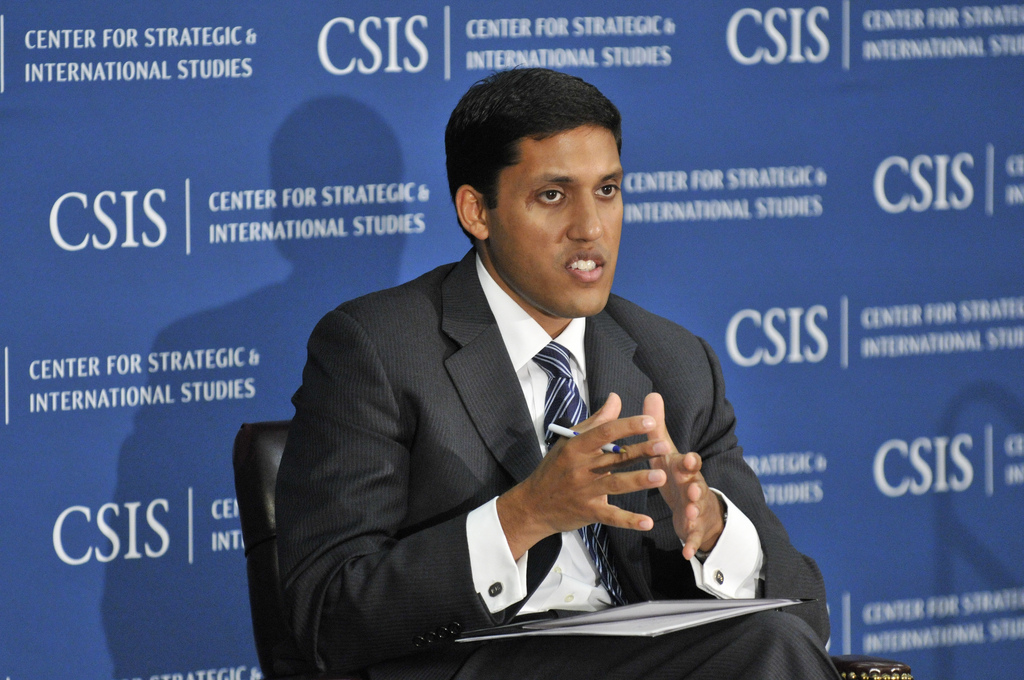
Photo Credit: “Statesman Forum: Dr. Rajiv Shah, USAID Administrator,” courtesy of flickr user CSIS: Center for Strategic & International Studies.