-
What Could Sequestration Mean for U.S. Development and Diplomacy?
›February 28, 2013 // By Schuyler Null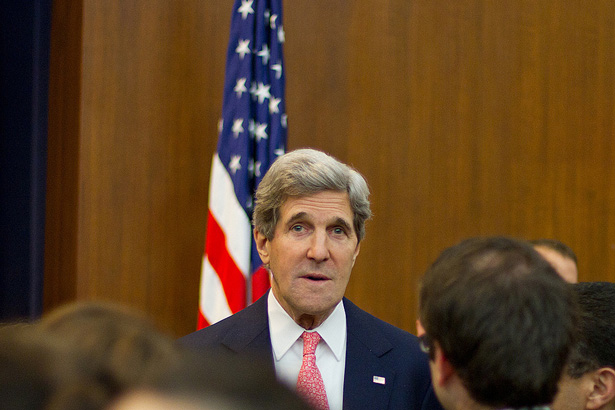
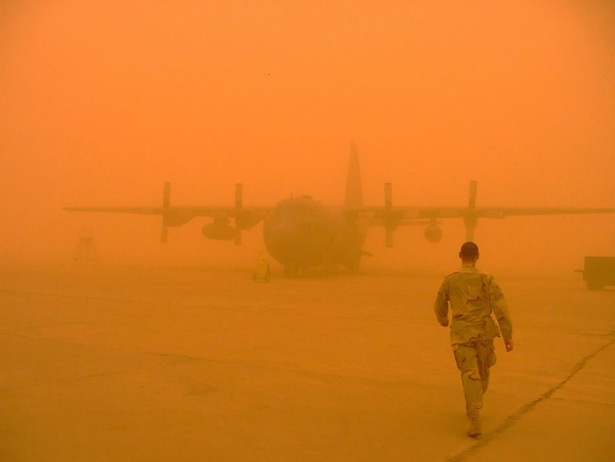
Newly minted Secretary of State John Kerry would probably prefer his first few months on the job to be a little quieter. But – in addition to everything else – sequestration is bearing down on Washington this week, and the U.S. government is beginning to seriously take stock of what automated cuts might mean. The Department of State and the U.S. Agency for International Development (USAID) are not spared. Kerry sent a letter earlier this month to Senate Appropriations Committee Chairwoman Barbara Mikulski (D-MD) outlining the projected effects for his charges if the March 1st deadline should pass without action.
-
Sam Loewenberg, The New York Times
Learning From Failure
›
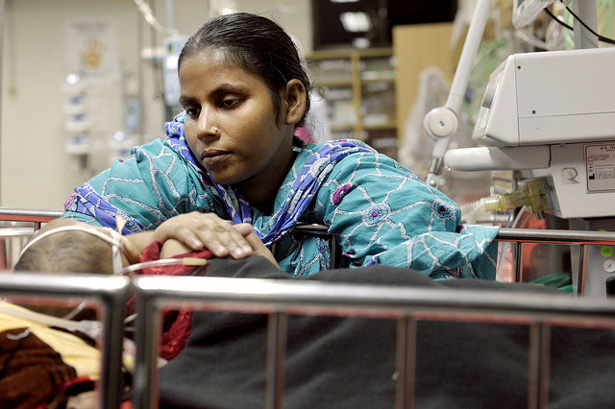
The original version of this op-ed, by Sam Loewenberg, appeared in The New York Times.
Americans love success stories. Go to the web sites of the United States Agency for International Development, the Bill and Melinda Gates Foundation, or a plethora of global health and development organizations, and you’ll find articles, charts, and videos documenting their triumphs and innovations, with the promise of more on the way.
-
Planning for Complex Risks: Environmental Change, Energy Security, and the Minerva Initiative
›2012 witnessed a remarkable number and extremity of environmental conditions, from Hurricane Sandy and the U.S. drought to wildfires in Siberia and drought-driven blackouts in India. Arctic sea ice melted to its furthest extent in recent history. The energy landscape continued to change as well, from the launch of the U.S. Navy’s Great Green Fleet to the first liquefied natural gas shipments across the Arctic. As President Obama clearly stated in his second inaugural address, climate change is heightening both our risks and the need to respond, but tying together all of these issues is a highly complex endeavor.
-
Managing Mountains for Ecological Services and Environmental Security
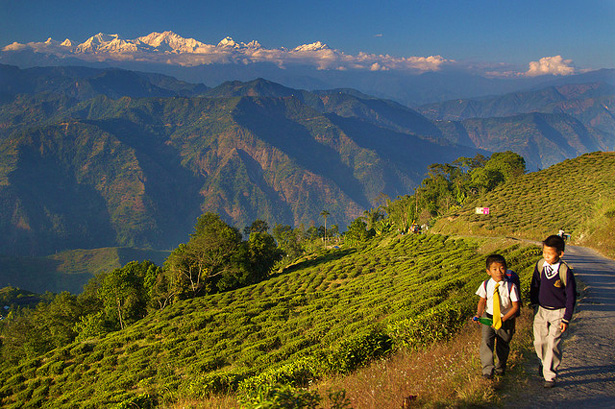
›High mountain regions face grave environmental challenges with climate change impacts already as severe as any place on earth. Temperature increases are expected to be greater at higher altitudes than at sea level, and glaciers and snowfields are retreating in many areas, increasing the risk of catastrophic glacial lake outburst floods, affecting fresh water supplies for hundreds of millions of people, and exacerbating territorial and natural resource disputes.
-
Five Questions for Population, Health, and Environment Projects in Ethiopia
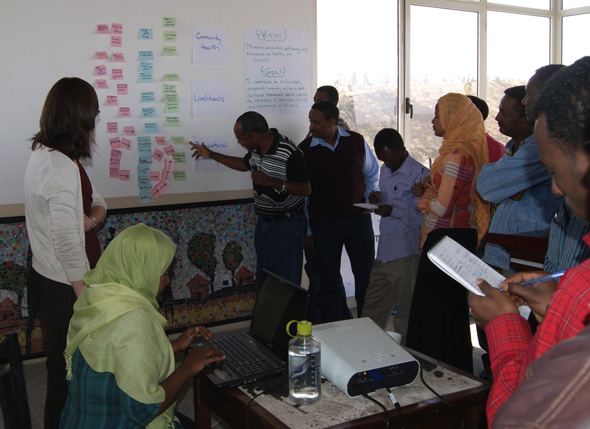
›Since the integrated population, health, and environment (PHE) approach is relatively new in international development, donors, partners, and implementers want to know how it’s improving people’s lives. In the PHE community, we believe that combining efforts to address natural resource management, reproductive health, and livelihoods is making a difference in places where rapid population growth combines with poverty and environment degradation. But to know for sure and be able to convince others, we need to have data to support those beliefs.
-
Stronger Evidence Base Needed to Demonstrate Added Value of PHE
›It is well known that public health issues that affect the world’s most vulnerable populations – food insecurity, maternal and child health, water- and sanitation-related disease, and resource scarcity – are inextricably linked. Where these linkages are strongest, experience on the ground has shown that community-based integrated approaches to development provide more effective and sustainable solutions over vertical, sector-based programs. But so far, there are very few comprehensive evaluations providing strong quantitative evidence of this advantage.
-
How Does Climate Change Figure Into the Feed the Future Initiative?
›January 7, 2013 // By Kathleen Mogelgaard1.8 million food producers using improved technologies or management practices. Nearly 9 million children reached through nutrition programs. 2.4 million hectares under improved technologies or management practices. New mechanisms for donor coordination. A forward-looking agricultural research agenda. Innovative private-sector partnerships to support smallholder farmers. These are among the successes reported for the first three years of Feed the Future, the U.S. government’s new global hunger and food security initiative.
-
New Support for International Family Planning: The Significance of the London Summit
›December 21, 2012 // By Carolyn LamereAt a major summit in London this summer the Bill and Melinda Gates Foundation launched one of the most significant efforts yet to revitalize commitments around the world towards providing universal access to family planning. More than 220 million women around the world – mostly in developing countries – want to delay or avoid pregnancy but are not using effective methods of contraception. Meeting the unmet needs of these women could save the lives of hundreds of thousands of mothers and millions of infants, not to mention significantly impact the future of human development. But the last decade has been a period of relative neglect by international donors.
Showing posts from category USAID.