

-
Africa’s Trifecta: Food Security, Resilience, and Demographics at the U.S.-Africa Leaders Summit
›August 5, 2014 // By Roger-Mark De Souza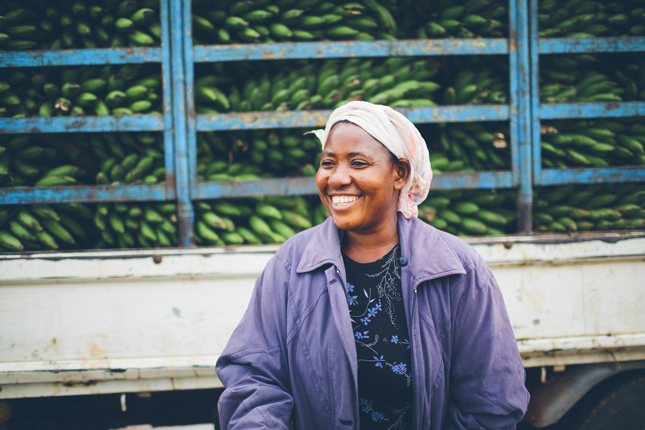
“You can’t build a peaceful world on an empty stomach,” Secretary of State John Kerry said yesterday at a high-level working session on resilience and food security, quoting Norman Borlaug, the father of last century’s “Green Revolution.”
-
Suzanne Ehlers: Global Development Agenda Needs Re-Framing to Focus on Rights of Young People
›
Successfully incorporating the rights of young people and women into whatever development agenda succeeds the Millennium Development Goals next year hinges not only on the scope of new goals, but how those goals are worded, says Suzanne Ehlers in this week’s podcast.
-
Addressing Reproductive Health and Rights in a Post-MDG World Begins With Inequality
›The importance of reproductive health and rights in responding to global climate change and facilitating sustainable development is becoming increasingly clear. But as two articles recently published in The Lancet explain, any post-Millennium Development Goals development agenda that hopes to address these issues must do a better job reaching populations that have largely been excluded from recent advancements. -
A Closer Look at USAID’s Climate Strategy: Climate-Smart Development a Work in Progress
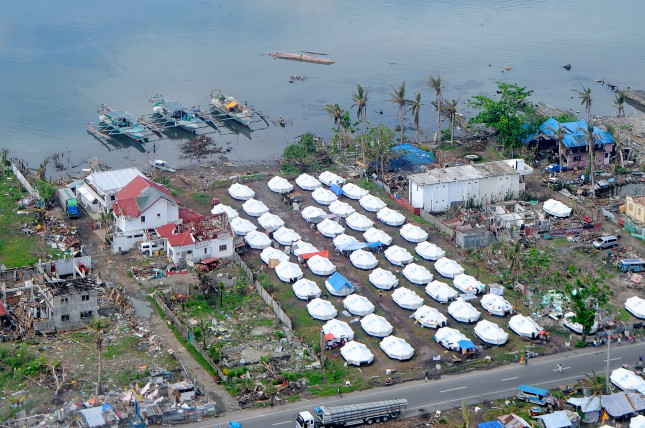
›July 14, 2014 // By Kathleen MogelgaardIn March, the Intergovernmental Panel on Climate Change released its latest comprehensive synthesis of climate change research. The report concludes that “impacts from recent climate-related extremes, such as heat waves, droughts, floods, cyclones, and wildfires, reveal significant vulnerability and exposure of some ecosystems and many human systems to current climate variability.”
-
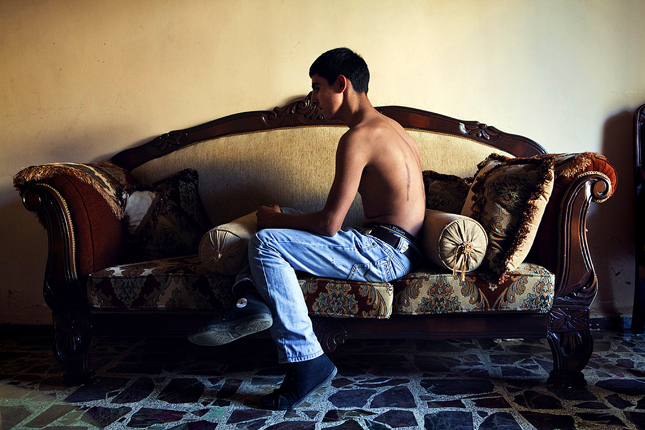
Youth and Global Violence: Saving History’s Largest Generation of Young People
›July 9, 2014 // By Moses JacksonAs the largest-ever generation of young people enters adulthood, armed conflict is having a profound effect on their future. People under the age of 24 comprise nearly half the world’s population but are the primary participants in conflict today. Conflict is more prevalent in younger societies, and half of all forcibly displaced people are children.
-
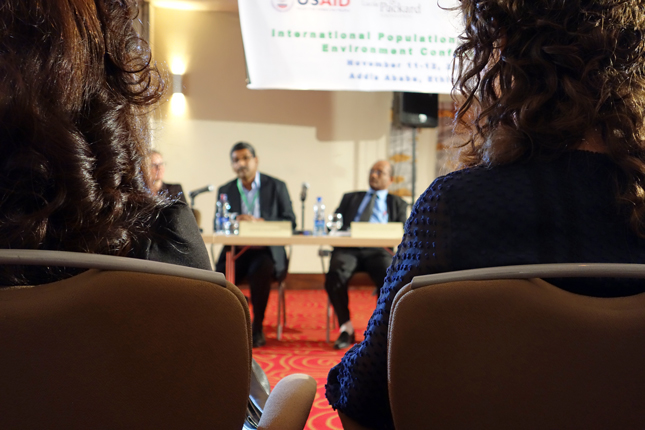
From the PHE Conference in Addis Ababa, a Progress Report on Integrated Development
›My grandmother was pleased when I told her I was heading to Ethiopia last November for an international conference focused on population, health, and the environment.
-
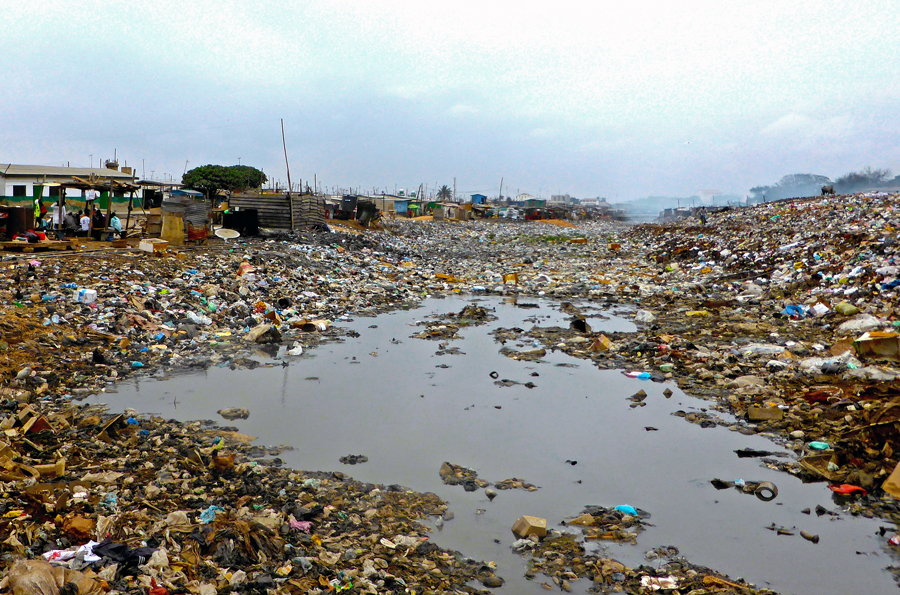
Climate Change and Conflict in West African Cities: Early Warning Signs in Lagos and Accra
›Despite the threat posed by flooding and sea-level rise, relatively little attention has been paid to the potential for environmentally induced instability in coastal West African cities. However, current trends, including rapid population growth, land use patterns, and increasing climate impacts, suggest the costs of inaction in these urban areas are rising.
-
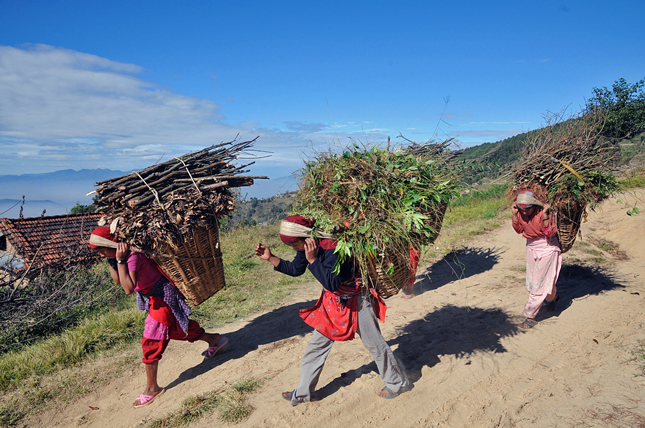
No REDD+ Program Is an Island: Integrating Gender Into Forest Conservation Efforts
›Since 2005, the Reducing Emissions from Deforestation and Forest Degradation program (REDD+) has functioned as a mechanism to financially incentivize the preservation of forestlands in order to reduce greenhouse gas emissions. But beyond its original use, some organizations have also started exploring ways it can help with other development initiatives, like women’s empowerment. [Video Below]
Showing posts from category USAID.
 Since 2005, the

