-
Demographic and Environmental Dynamics Shape ‘Global Trends 2030’ Scenarios
›
“However rapid change has been over the past couple decades, the rate of change will accelerate in the future,” states the newest quadrennial report from the National Intelligence Council (NIC), Global Trends 2030: Alternative Worlds. Released late last year, the report identifies the “game-changers, megatrends, and black swans” that may determine the trajectory of world affairs over the next 15 years, including demographic dynamics and natural resource scarcity. [Video Below]
-
World Water Day Focuses on Cooperation in the Face of Growing Stress
›March 22, 2013 // By Schuyler Null
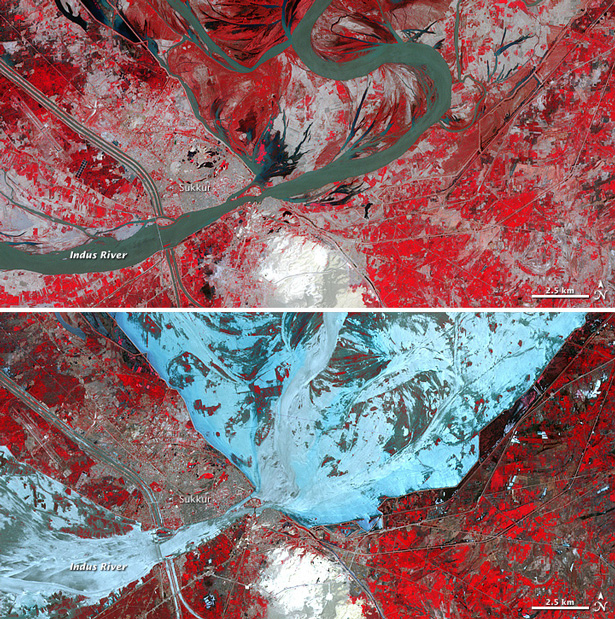
Cooperation, not conflict; that’s the theme of this year’s World Water Day. Collaboration over water has been the rule rather than the exception over the past 70 years, UNESCO explained in the launch of their International Year for Water Cooperation initiative earlier this year (which the rest of the UN is thoughtfully supporting).
But the fact that there’s need for such an initiative shows that water conflict and other water issues are not far from the minds of global policymakers. Scarcity, drought, climate change, food security, disease – water impacts people and their governments in so many ways. Here’s a rundown of some of our best related posts.
-
Paradigm Shift in Chinese Environmental Sector Needed, Says Activist Wang Canfa
›A well-known Chinese proverb describing the relationship between the central government in Beijing and its people says, “Heaven is high and the emperor is far away” (天高皇帝远, tian gao, huang di yuan). It’s not too far of a stretch to apply the same proverb to the current state of China’s environment sector, where relatively strong pollution control laws are poorly enforced on the ground.
-
Jason Beaubien, Shots
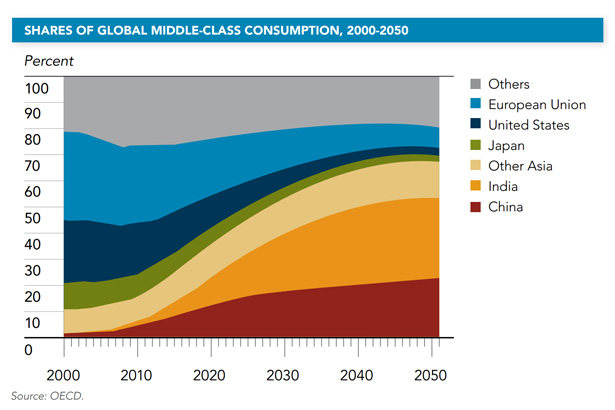
Power Shift Under Way As Middle Class Expands In Developing World
›March 19, 2013 // By Wilson Center StaffThe original version of this article, by Jason Beaubien, appeared on NPR’s health blog, Shots.
“The meek shall inherit the earth” – that seems to be the latest message from the United Nations Development Program.
-
Demographic Dividend and the Rise of the Global South
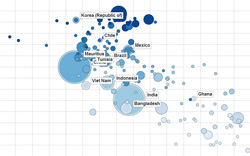
›The Global South is “radically reshaping the world of the 21st century, with developing nations driving economic growth, lifting hundreds of millions of people from poverty, and propelling billions more into a new global middle class,” says the United Nations Development Program’s (UNDP) 2013 Human Development Report, released yesterday. “More than 40 developing countries have made greater human development gains in recent decades than would have been predicted.”
-
Africa Can Help Feed Africa: Removing Regional Barriers to Trade in Food Staples
›We need to understand why barriers to trade exist in order to alleviate the food insecurity that confronts Africa, said Makhtar Diop, World Bank vice president for Africa, at the Wilson Center in January.
The World Bank released a new report in October 2012 that is part of a series that concentrates on intraregional trade. Africa Can Help Feed Africa: Removing Regional Barriers to Trade in Food Staples, however, is unique, Diop said, because it “moves the focus from general barriers to trade in Africa to focus on food,” so that policymakers can move away from crisis response and address food insecurity at a base level. [Video Below]
-
In Uganda, Integrating Population, Health, and Environment to Meet Development Goals
›Fifty years after independence, Uganda has one of the highest population growth rates in the world at 3.3 percent – a rate which puts the country on track to nearly double in population over the next two decades. More than 50 percent of the population is under the age of 18. This large youth cohort will ensure that the country continues to grow for decades to come, even if couples choose – and are able – to have smaller families. And according to the State of Uganda Population Report 2011, “with more than one million people added to the population every year, the quality of [health] service delivery will suffer.”
-
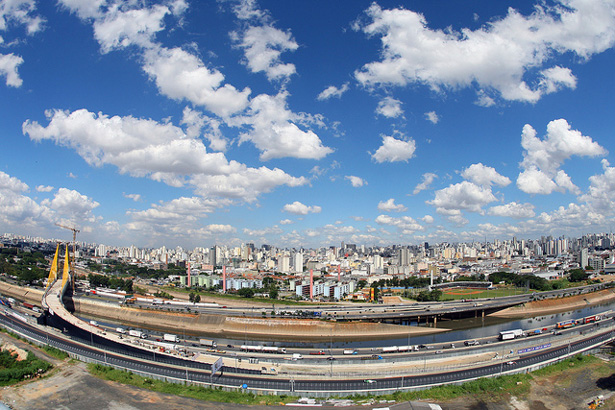
Jack Goldstone Discusses Future Demographic Trends: The Old, the Young, and the Urban
›In this podcast, Jack Goldstone of George Mason University discusses the world’s demographic stresses in the coming years. In parallel to a growing trend of population aging in developed countries, much of the world will remain young, growing, and urbanizing, he said. The choices these growing countries make over the next few decades will have reverberating effects for the rest of the world, from conflict potential to the spread of stable democracies.
Showing posts from category zz Organizations.