-
Melinda Harm Benson and Robin K. Craig, Ensia
The End of Sustainability?
›July 30, 2014 // By Wilson Center Staff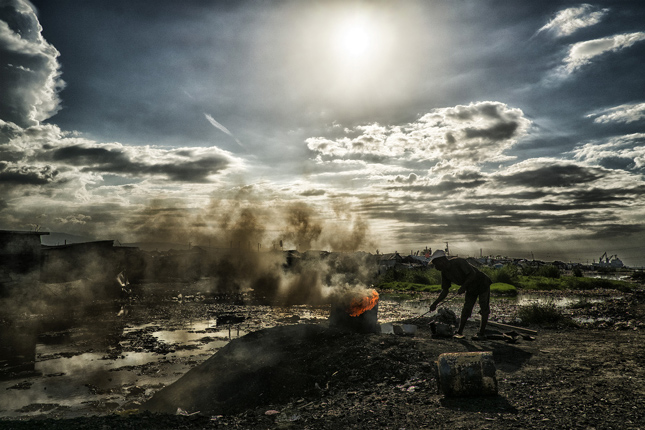
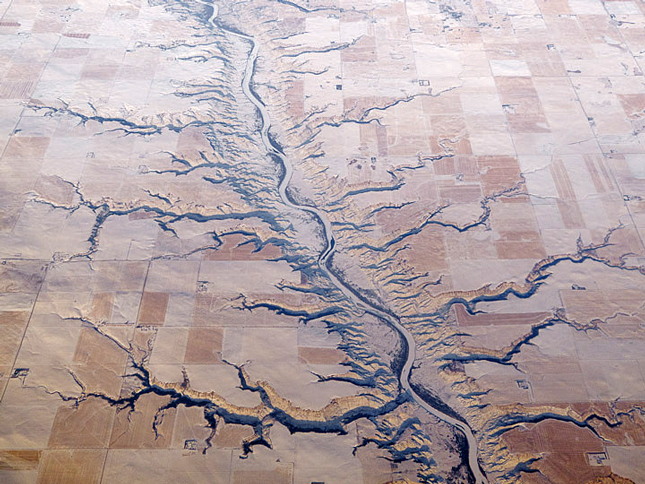
The time has come for us to collectively reexamine – and ultimately move past – the concept of sustainability. The continued invocation of sustainability in policy discussions ignores the emerging realities of the Anthropocene, which is creating a world characterized by extreme complexity, radical uncertainty, and unprecedented change. From a policy perspective, we must face the impossibility of even defining – let alone pursuing – a goal of “sustainability” in such a world. It’s not that sustainability is a bad idea. The question is whether the concept of sustainability is still useful as an environmental governance framework.
-
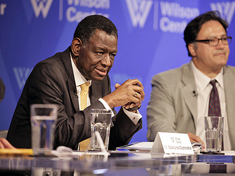
Babatunde Osotimehin: “The Youth Agenda Has Never Been More Important”
›
More than 1.8 billion people – nearly a third of the global population – are between the ages of 10 and 24, comprising the largest-ever generation of young people. According to Babatunde Osotimehin, executive director of the United Nations Population Fund (UNFPA), “how we meet the needs and aspirations of these young people will define the world’s future.”
-
Addressing Reproductive Health and Rights in a Post-MDG World Begins With Inequality
›The importance of reproductive health and rights in responding to global climate change and facilitating sustainable development is becoming increasingly clear. But as two articles recently published in The Lancet explain, any post-Millennium Development Goals development agenda that hopes to address these issues must do a better job reaching populations that have largely been excluded from recent advancements. -
Lisa Palmer, Future Food 2050
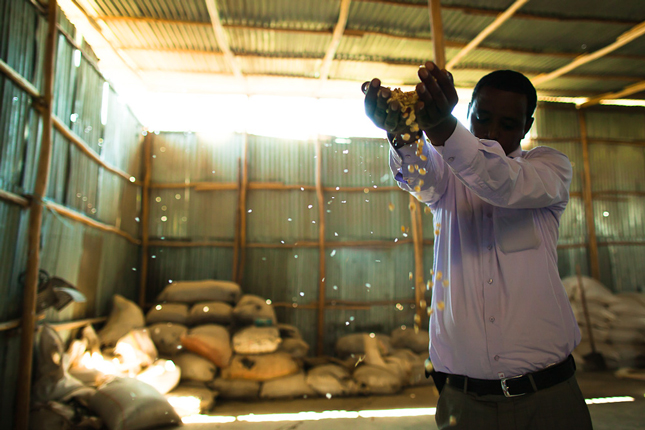
The Politics of Food Technology Innovation for Africa
›July 22, 2014 // By Wilson Center StaffAs a boy growing up on the shores of Lake Victoria in Kenya, Harvard international development professor Calestous Juma noticed a thing or two about innovations designed to bring more food into his community. He noticed, for instance, that the fishermen were always tinkering with new ways to trap fish while his father, a carpenter, would build the traps. He also noticed that his grandmother, a peanut grower, and other farmers who grew traditional crops such as sweet potatoes, struggled with ways to increase production beyond simply planting the best quality seeds and tubers.
-
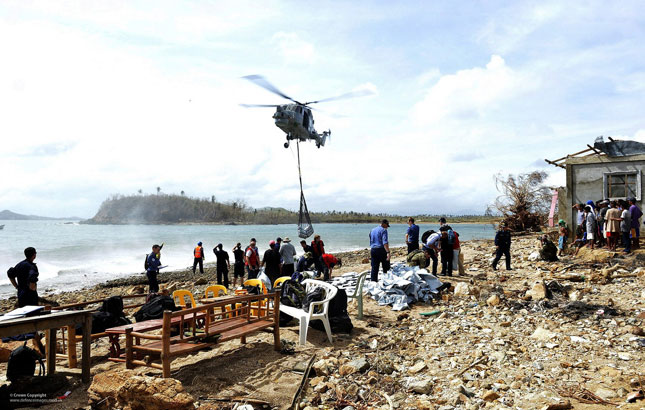
Environmental Dimensions of Sustainable Recovery: Learning From Post-Conflict and Disaster Response
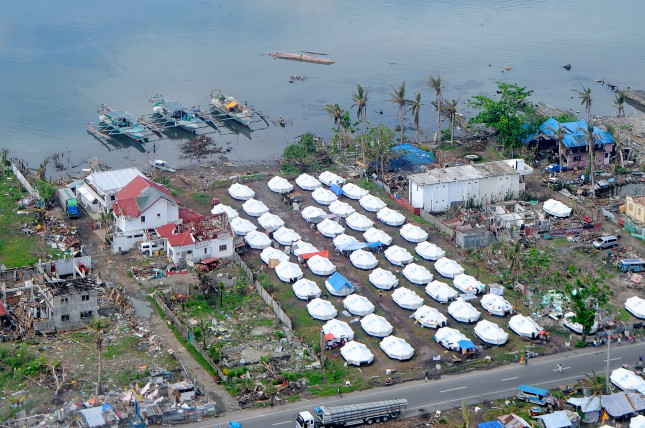
›“Environmental specialists need to change,” said Anita van Breda at the Wilson Center on June 25. “In the new normal, our work has to have a different relevancy.” [Video Below]
-
Climate Change Will Test Water-Sharing Agreements
›July 15, 2014 // By Thomas CurranMany existing water-sharing treaties should be re-assessed in the context of climate change, write Shlomi Dinar, David Katz, Lucia De Stefano, and Brian Blakespoor in a World Bank working paper.
-
A Closer Look at USAID’s Climate Strategy: Climate-Smart Development a Work in Progress
›July 14, 2014 // By Kathleen MogelgaardIn March, the Intergovernmental Panel on Climate Change released its latest comprehensive synthesis of climate change research. The report concludes that “impacts from recent climate-related extremes, such as heat waves, droughts, floods, cyclones, and wildfires, reveal significant vulnerability and exposure of some ecosystems and many human systems to current climate variability.”
-
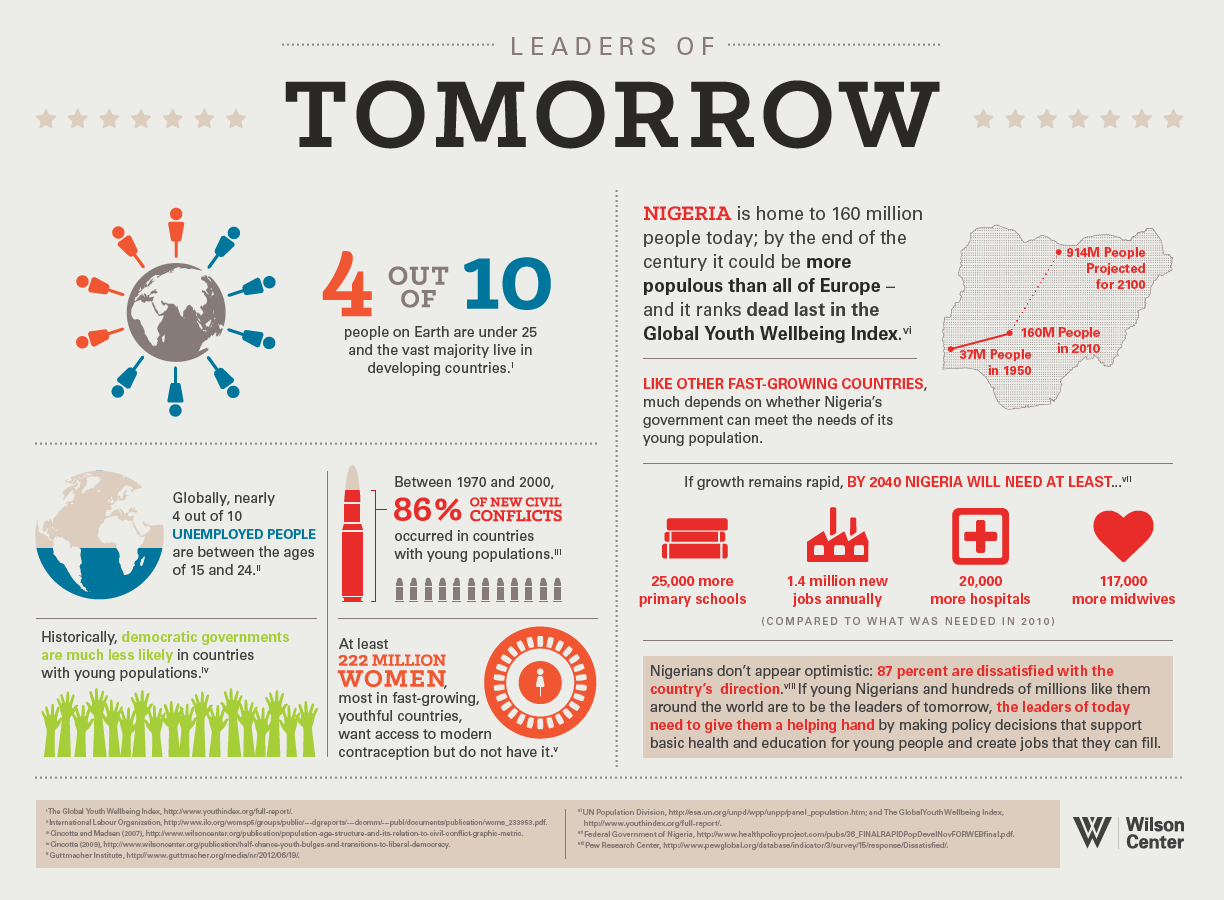
Investing in the Leaders of Tomorrow: World Population Day 2014 Youth Infographic
›World Population Day began in 1987 after public imagination was sparked by the idea that there could be 5 billion people on Earth. Today, we’re well past 7 billion and according to the latest UN projections, headed north of 9 billion by mid-century.
Showing posts from category zz Organizations.