-
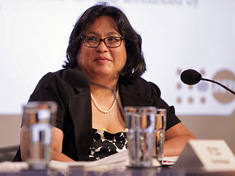
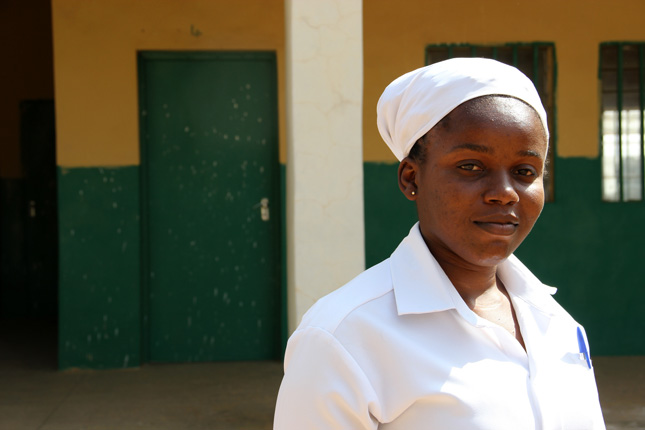
USAID’s Sylvia Cabus on the Sahel: “We Help Farmers…and Their Husbands”
›
In the Sahel, one of the most food-stressed regions of the world, “women bear the brunt in terms of coping mechanisms that are employed at the community level,” says Sylvia Cabus, gender advisor for USAID’s Bureau for Food Security, in this week’s podcast.
-
Obama Highlights Long-Term Climate Security Threats, Releases Review of Federal Resources
›May 20, 2015 // By Schuyler Null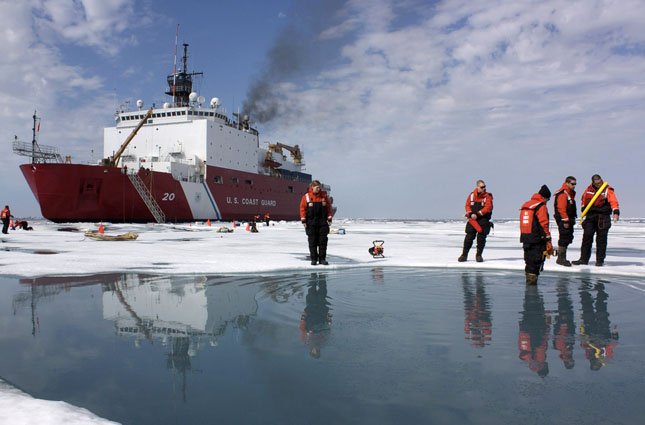
In a commencement speech at the U.S. Coast Guard Academy today, President Obama said “climate change constitutes a serious threat to global security, an immediate risk to our national security, and, make no mistake, it will impact how our military defends our country.”
-
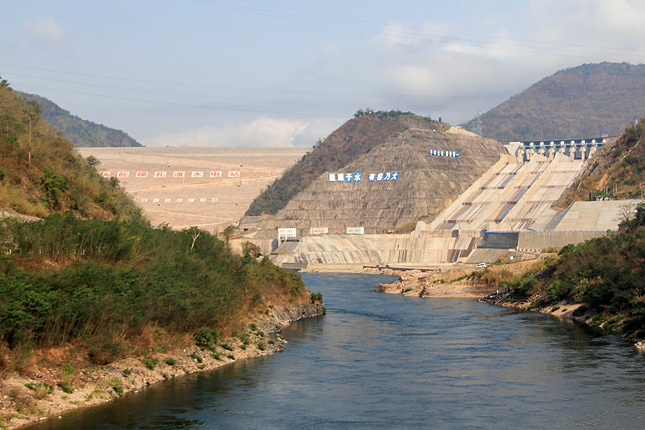
Cooperation Is Not Enough: Why We Need to Think Differently About Water
›In 2003, the United Nations General Assembly declared 2005 to 2015 to be the decade of “water for life” as a way to encourage countries to reach their water-related targets under the Millennium Development Goals. In summing up the last 10 years, it was noted that water cooperation had been promoted widely, featuring at international fora and in government initiatives and development agendas. Water cooperation is described as having the potential to enable peace and sustainable development. However, just as focusing on “water wars” might undermine the everyday challenges of securing safe and adequate supplies of water, focusing only on “more cooperation” may well simplify the problem at hand.
-
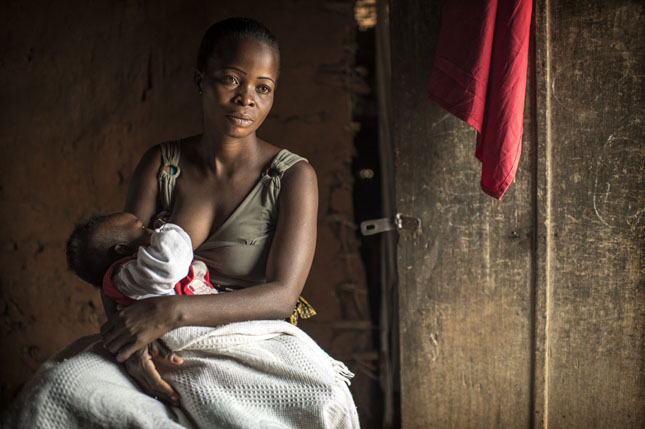
Swept Under the Carpet: The Psychological Side of Maternal Health
›In high-income countries, as many as 10 to 15 percent of women experience depression, anxiety, or other non-psychotic mental health challenges during pregnancy or the year after giving birth. In developing countries, the chances rise to 16 percent of pregnant women and 20 percent of post-natal women, according to Jane Fisher, professor of women’s health at Monash University in Melbourne, Australia. [Video Below]
-
The Dark Side of Development: Displacement, Eviction in World Bank Projects and Ethiopia
›With the help of international aid, foreign land grabs in the Gambella region of Ethiopia have resulted in environmental degradation, more severe economic and social inequality, and human rights abuses, according to a new study by the Oakland Institute. We Say The Land Is Not Yours collects testimony from victims of “villagization,” a policy of forced displacement started under the military Derg dictatorship and, according to many, continued to this day under the guise of land investment. -
Katie Millar, Maternal Health Task Force
Global Experts Highlight Importance of Midwives to Maternal Health
›May 5 was the International Day of the Midwife, an opportunity for the global community to come together to recognize the incredible impact midwives have on maternal and newborn health and decreasing mortality. Want to know more about what global leaders are doing to strengthen midwifery?
-
Measuring the SDGs: Investments in Mapping, Geospatial Data Collection Critical to Success
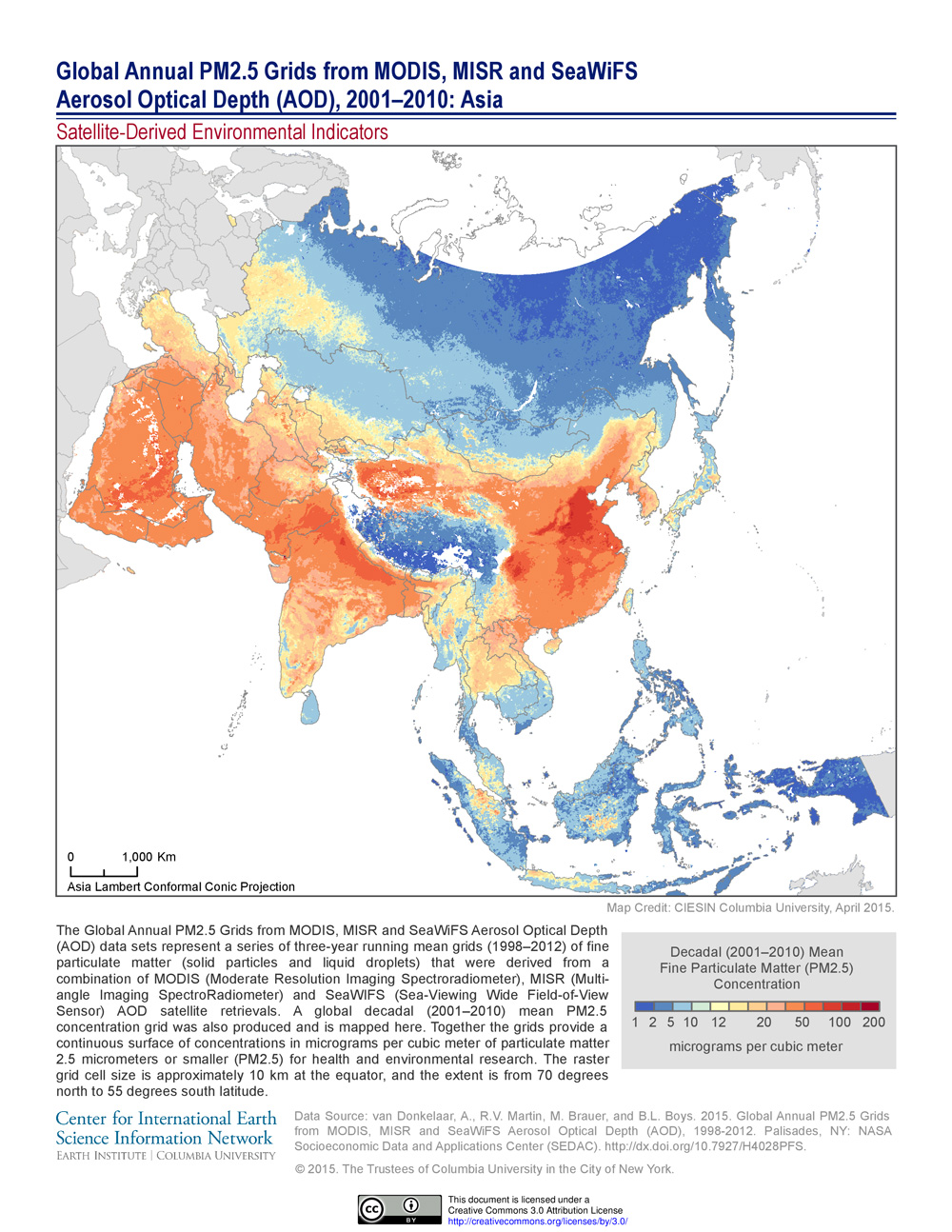
›To ensure no one is left behind by the next generation of global development goals, a comprehensive mix of robust data is needed to measure progress and guide investments. A recent report coordinated by the Sustainable Development Solutions Network estimates the world will need to spend roughly $1 billion a year to sustain and enhance the statistical systems supporting and evaluating progress towards the Sustainable Development Goals (SDGs), the successors to the Millennium Development Goals expected to guide the development agenda for the next 15 years.
-
In Kerry’s Quadrennial Diplomacy and Development Review, Climate and Conflict Are Focus
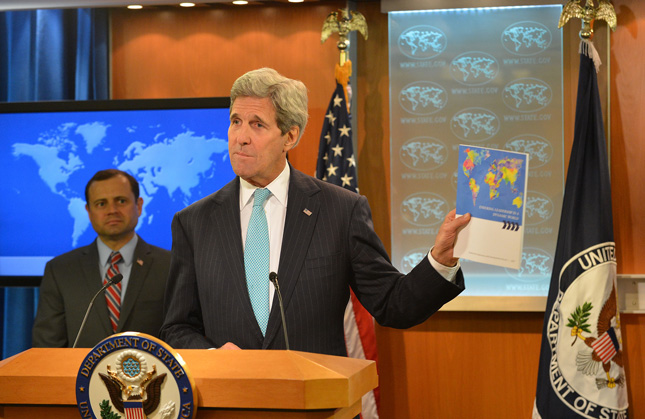
›April 29, 2015 // By Schuyler NullIt’s a bit late, but the second-ever Quadrennial Diplomacy and Development Review (QDDR) is finally here. And it’s a good thing – it’d be a shame if this effort to present a coherent strategic narrative of U.S. diplomacy and development, which was started by Secretary of State Clinton in 2010, petered out.
Showing posts from category zz Organizations.