-
President Joyce Banda Talks About Her Time in Office & Sensitizing African Leaders to Maternal Health Challenges
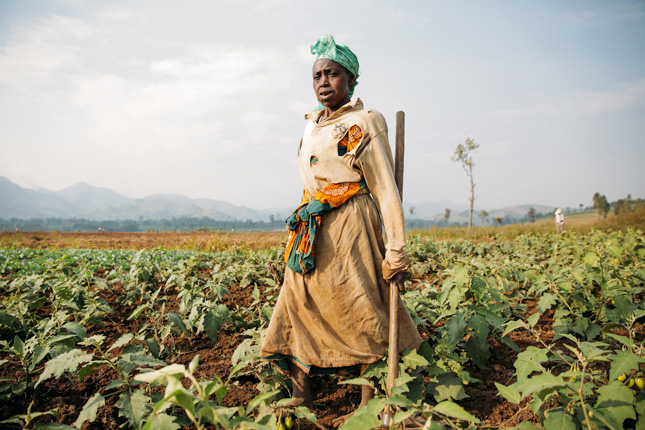
›Joyce Banda, Malawi’s first female vice president, became Malawi’s first female president in 2012 after the sudden death of Bungu wa Mutharika in office. From day one, maternal health and girls’ education were a priority in her administration, she tells the Maternal Health Initiative’s Roger-Mark De Souza in an interview at the Wilson Center.
-
2017 Is Pivotal for U.S. Leadership on Global Water Security
›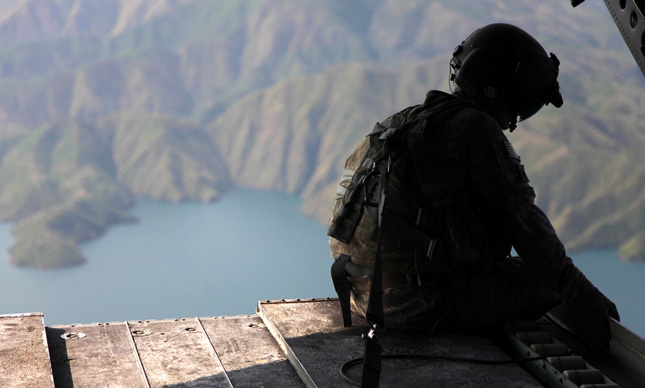
2017 promises to be a key year for U.S. government leadership on a variety of issues. Not least among them is global water security. Never have the challenges of global water security been so severe, and never have the opportunities for American leadership in the sector been greater.
-
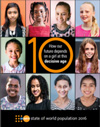
State of the World Population 2016, and Fostering Development Through Family Planning
› The United Nations Population Fund’s 2016 State of the World Population report calls for investment in a very specific demographic: 10-year-old girls. At age 10, young girls are at a “pivotal” stage in their lives, the report says. They face a world of limitless possibilities, yet far too many end up thwarted in their ambitions by sexual violence, forced marriage, female genital mutilation, child labor, and other “systematic disadvantages.”
 -
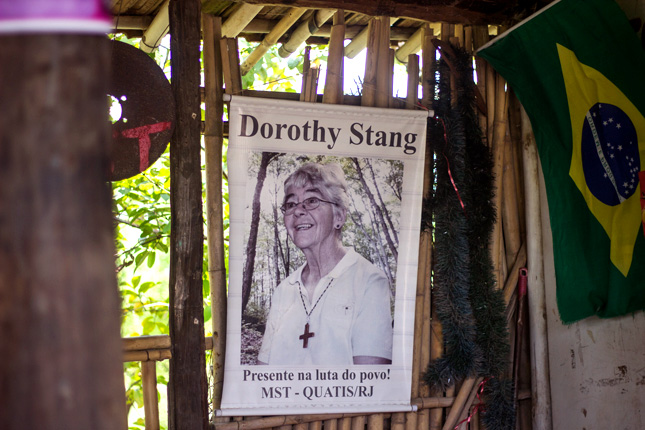
Environmental Defenders Are Being Murdered at an Unprecedented Rate, Says UN Special Rapporteur
›The Earth’s front-line defenders are disappearing at an astonishing rate. On average three environmental activists were killed each week in 2015, according to a recent report from the United Nations special rapporteur on the situation of human rights defenders. Global Witness, an international NGO that documents natural resource extraction, corruption, and violence, reports a 59 percent increase in deaths last year compared to 2014. In total, 185 killings of environmental defenders were recorded by Global Witness in 2015.
-
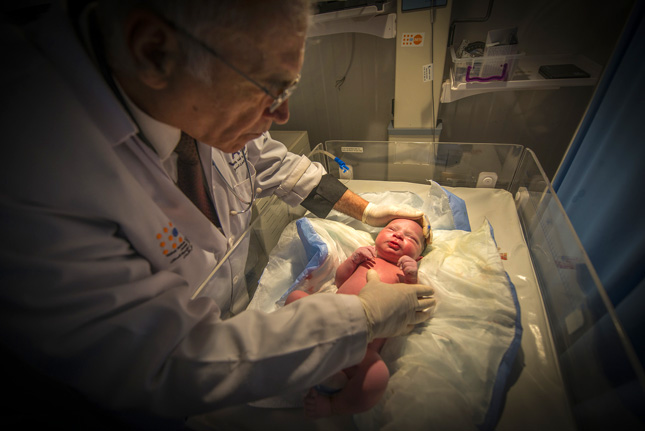
Displaced and Disrupted: Closing the Gaps in Maternal Health in Conflicts and Crises
›Where violent conflict displaces people and disrupts societies, maternal and child health suffers, and such instability is widespread today. According to the UN Refugee Agency, there are 65.3 million forcibly displaced people, 21.3 million refugees, and 10 million stateless people over the world. In addition, more than 65 million people who are not displaced are affected by conflict.
-
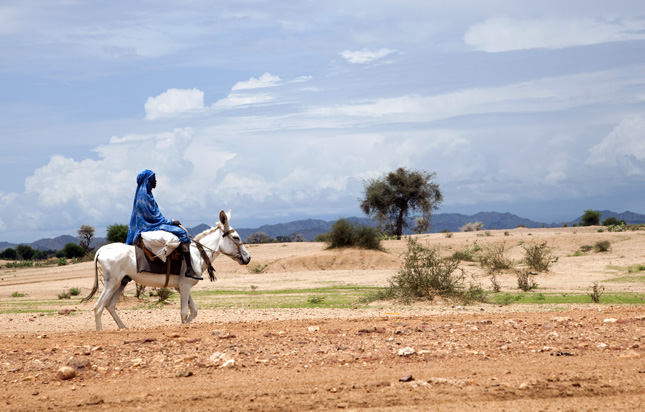
Beyond the Headlines: Understanding Climate Change, Migration, and Conflict (Report Launch)
›As Syria has collapsed, spasming into civil war over the last five years, the effects have rippled far beyond its borders. Most notably, a surge of refugees added to already swelling ranks of people fleeing instability in Afghanistan, Iraq, Pakistan, and sub-Saharan Africa, leading to the highest number of displaced people since the Second World War. At the same time, scientists have noted record-breaking temperatures, a melting Arctic, extreme droughts, and other signs of climate change. For some, an obvious question is: what does one have to do with the other?
-
USAID Climate Action Review: 2010-2016 (Report Launch)
›“Climate work is practical, common-sense, good development,” said Carrie Thompson, deputy assistant administrator at the Bureau for Economic Growth, Education, and Environment at the U.S. Agency for International Development (USAID). “It’s prevention, and we all know that preventative medicine is the best medicine.”
-
Rising Seas Threaten Military Installations, and Elevating Human Rights to Mitigate Geoengineering Risks
›A roughly three-foot increase in sea level will threaten 128 coastal military installations in the United States, valued at $100 billion, according to a study from the Union of Concerned Scientists. The report, The U.S. Military on the Front Lines of Rising Seas, argues that the growing exposure to storm surge and sea-level rise puts vital infrastructure, training and testing grounds, and housing for thousands of personnel at risk.
Showing posts from category zz Organizations.