-
What’s in a Label? Lessons on Advancing Global Health Goals From Corporate Green Standards
›
As you walk through the supermarket, you’ve probably noticed labels like “Rainforest Alliance Certified,” “Fair Trade,” or “Green Seal.” These certifications were created to help consumers use their purchasing power to reward companies that treat workers fairly and limit their harm to the environment. What’s missing is health, particularly women’s health. Too often these standards focus narrowly on occupational safety rather than addressing broader, but relevant, health needs of workers.
-
Can Demographic-Environmental Stress Contribute to Mass Atrocities? And the Future of Arctic Cooperation
› In a brief published by the Stanley Foundation, Cullen Hendrix explores how “the degradation and overexploitation of renewable sources…and unequal access to these resources” can make societies more or less susceptible to experiencing mass atrocities. Hendrix proposes that “demographic-environmental stress” is most likely to contribute to mass atrocities (genocide, war crimes, or crimes against humanity) in agricultural societies that have a high level of group identity-driven politics and economics, exclusionary political institutions, political actors that deprive certain groups, or when governments have low legitimacy.
 -
Backdraft #5: Ken Conca on the Good, Bad, and Ugly of Water Conflict and Cooperation
›In international development, conflict is often used as shorthand for violent conflict, and avoiding conflict is considered a priority. But “it’s important to recognize that conflict is not always bad and cooperation is not always good,” says Ken Conca in this week’s episode of “Backdraft.” -
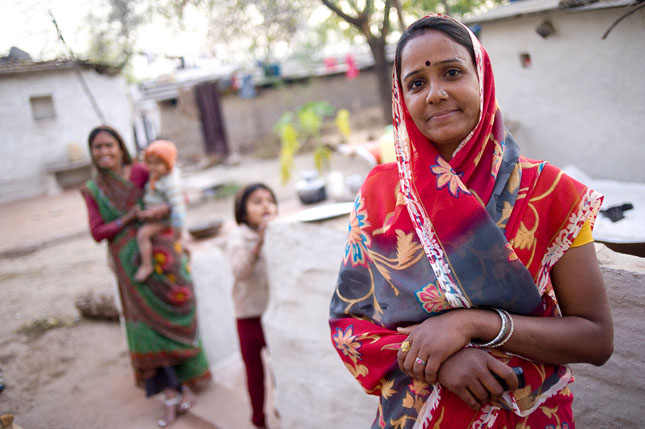
For India, Achieving the Next Generation of Maternal Health Goals Requires New Approaches
›Achieving the next generation of maternal health goals in India, which accounts for almost 15 percent of maternal deaths around the world each year, will require innovative new approaches to stubborn problems.
-
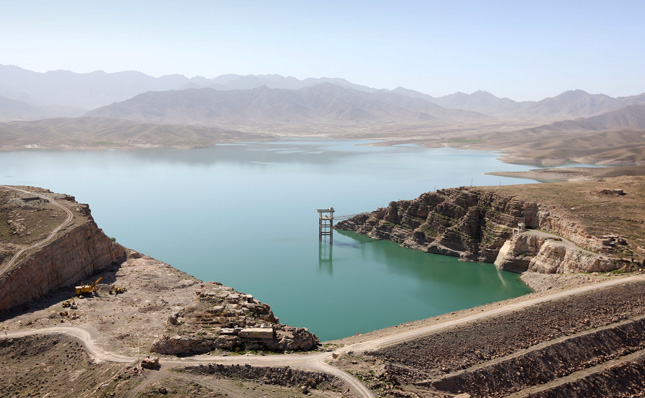
Afghanistan’s Water Plans Complicated by Worried Neighbors
›More than 40 years ago, the Soviet Union attempted to harness hydropower to modernize Afghanistan. Between 1960 and 1968, they poured money and technical knowledge into the 100-meter Naghlu gravity dam outside Kabul and a village for its workers called Sharnak. Although the town has been damaged and the boons of modernity remain elusive for many Afghans, the dam remains a crucial source of power for the capital and is the largest power plant in the country with an installed capacity of 100 megawatts.
-
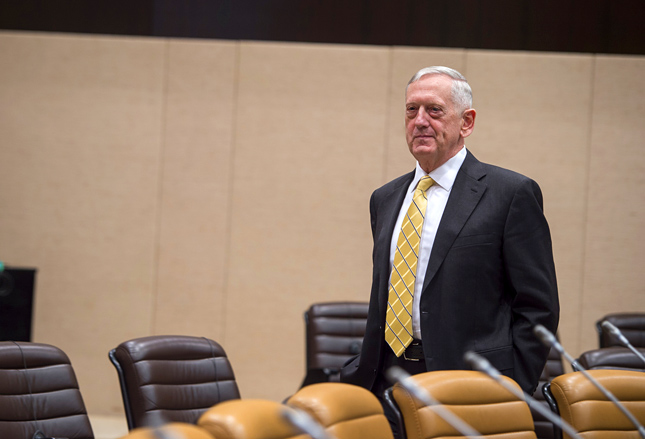
Mattis Latest in Succession of Senior Military Leaders to Warn About Climate Change
›March 17, 2017 // By Schuyler NullThis week, newly minted Secretary of Defense James Mattis joined a long list of senior U.S. military leaders who have warned about the national security threats of climate change.
-
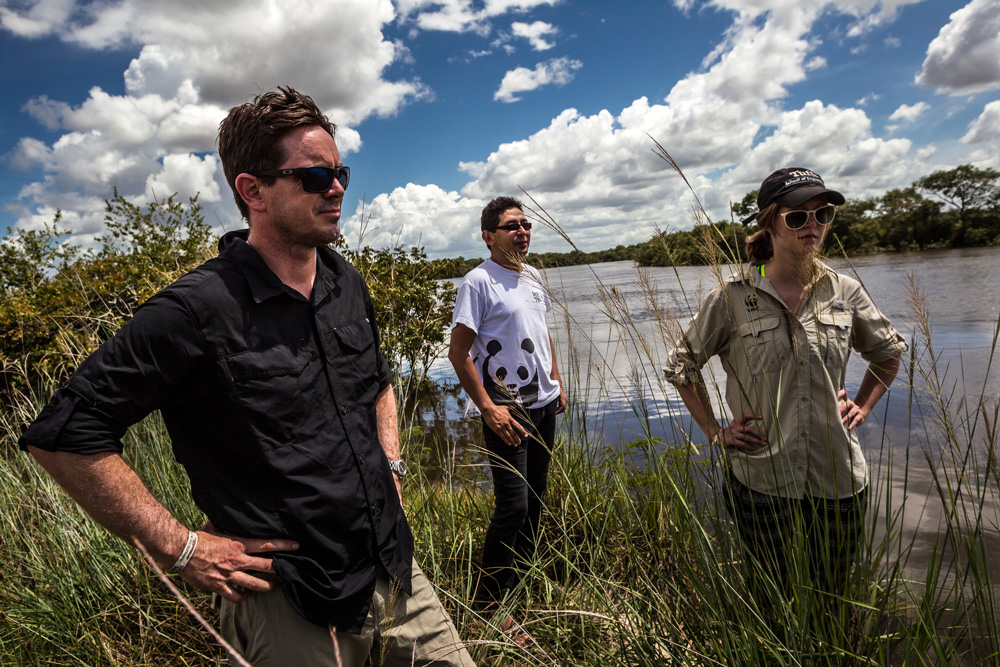
A Chronic Crisis, Now Acute: WWF’s Recommendations for the First U.S. Global Water Strategy
›The intelligence community’s landmark Global Water Security assessment in 2012, warned of major water-driven challenges to U.S. national security. The combined assessment of several intelligence agencies foresaw many challenges to U.S. policy objectives and national security arising from protracted drought, declining water quality, and more natural disasters in countries important to U.S. interests. The intelligence community further warned of rising social instability, cross-border tensions, and a steady drain of resources away from other development objectives. These warnings have proven prescient.
-
15 Years of Environmental Peacemaking: Overcoming Challenges and Identifying Opportunities for Cooperation
›As the 1990s drew to a close, there was a sense that much of the momentum gained at the first Earth Summit on sustainable development, a positive, affirming environmental narrative, was waning.
Showing posts from category zz Organizations.
 In international development, conflict is often used as shorthand for violent conflict, and avoiding conflict is considered a priority. But “it’s important to recognize that conflict is not always bad and cooperation is not always good,” says Ken Conca in this week’s episode of “