-
Peace After Paris: Addressing Climate, Conflict, and Development
›
2015 was a historic year for international commitments to sustainable development, climate change action, and new kinds of peacebuilding. For governments and policymakers, now comes the difficult task of living up to those commitments. [Video Below]
-
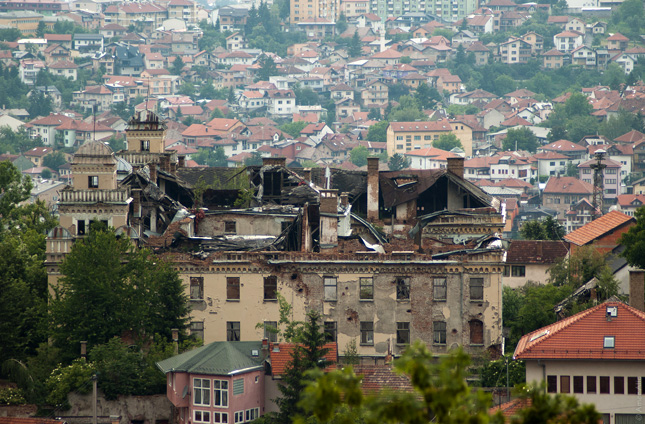
Forecasting Development: Observations From Scenario Planning for Bosnia and Herzegovina
›
I’m planning a road trip and I want to know what to pack. I could rely on what I’ve learned from past trips or what it looks like out the window right now, but what would really help are a weather forecast and a guidebook telling me what I might expect. It’s no guarantee against a wrong turn or two, but it will certainly better prepare me for the road ahead and help me take advantage of opportunities along the way.
-
In Morocco, a Microcosm of What Leads Many to Leave Their Home Countries
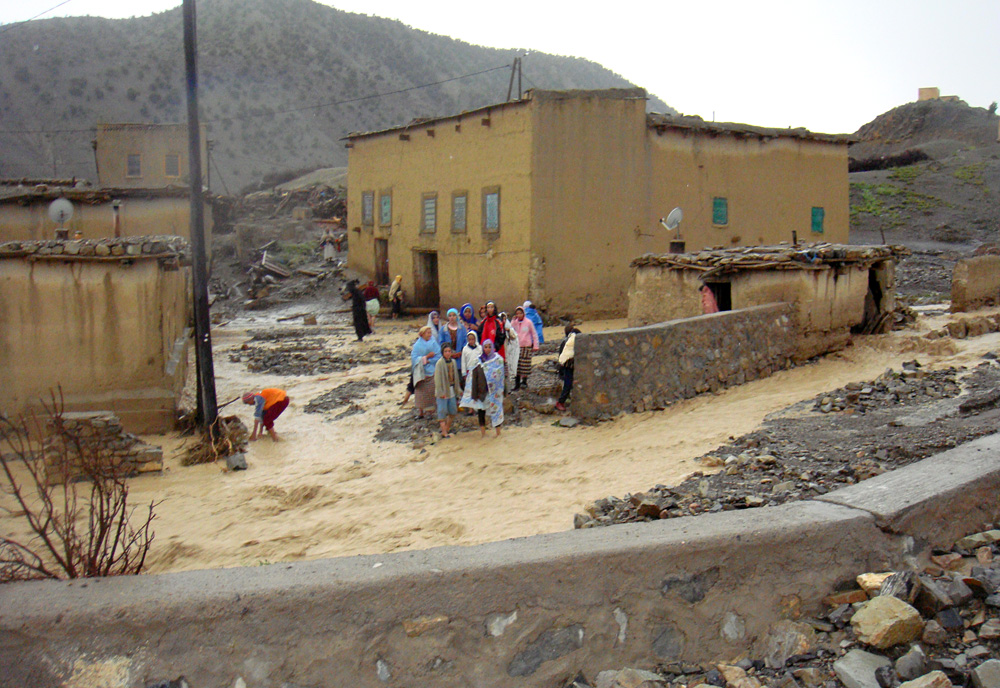
›Global attention is understandably focused on Syrian refugees, but the migration crisis in Europe is part of a bigger trend that climate and social scientists have been warning about for years.
-
Priyali Sur, Foreign Policy
South Asian Environmental Migrants Pushed to Back of Line in Refugee Flood
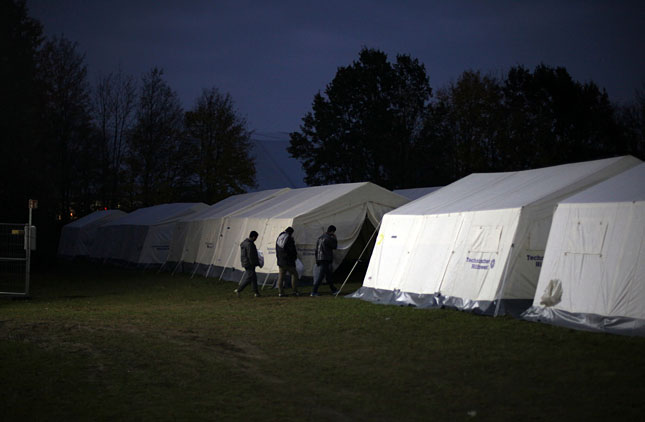
›November 26, 2015 // By Wilson Center StaffThe dark eyes and hair of the Pakistanis, Bangladeshis, and Afghans almost blend with the other migrants’. The brown skin tones are also not giveaways, but ask them where they come from, and you notice the hesitation – trying hard to blend into the crowd of Syrian migrants at Europe’s border crossings, afraid of being spotted and sent back.
-
Military Leaders: Climate Change, Energy, National Security Are Inextricably Linked
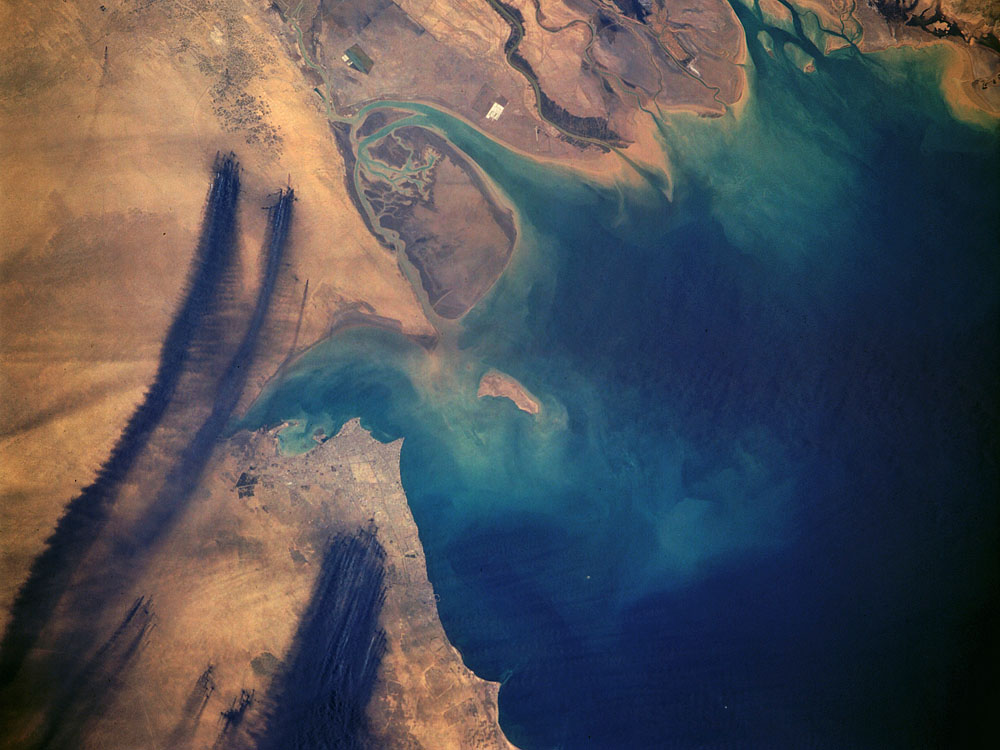
›In the midst of a minefield on day two of Desert Storm Task Force Ripper, Marine Corps Operations Officer Richard Zilmer stepped out of his armored personnel carrier, squinted up at the sky, and saw nothing but black from horizon to horizon. Iraqi forces, trying desperately to blunt the attack of coalition armies, had set fire to hundreds of Kuwaiti oil wells and oil-filled trenches.
-
Peace Park Expedition to Balkans Reveals Tensions Over Development, Rule of Law for New Governments
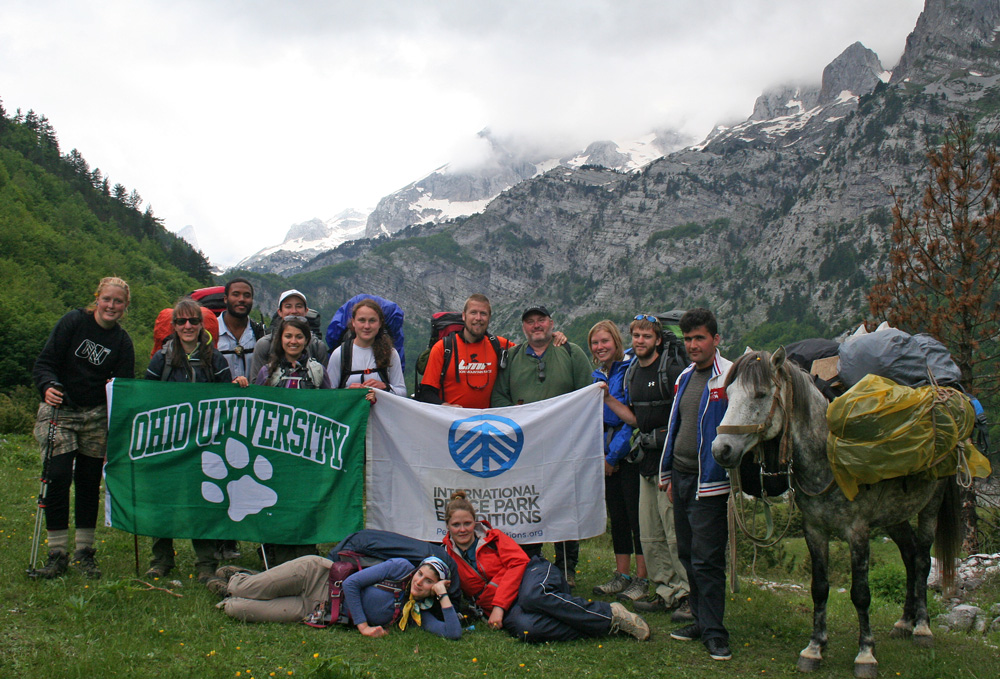
›One of the last biodiversity hotspots in Europe was also backdrop to one of its last violent conflicts and now home to its newest nation states. The Prokletije/Bjeshket e Nemuna Mountains, often referred to as the Southern Alps, are a large expanse of wilderness and stunning alpine landscapes that form the border between Montenegro, Albania, and Kosovo. Three national parks share borders and form a patchwork of protected land that could be the basis for an international peace park – a shared resource that could promote cross-cultural exchange collaborative natural resource management, and eco-tourism.
-
Heather McGray & Kathleen Mogelgaard, World Resources Institute
Not Just Mitigation: National Climate Plans Raise Adaptation’s Profile
›August 13, 2015 // By Wilson Center StaffAs the world prepares for a pivotal climate conference in Paris this December, countries are offering their national plans to tackle a changing climate. These plans, known as intended nationally determined contributions (INDCs), contain details of what each country is prepared to do as part of a new global climate agreement. While the public focus is often on mitigation – how much countries are willing to reduce emissions, by when, and with what degree of transparency – adaptation to the impacts of climate change demands the same level of attention. In fact, the last round of international climate talks in Lima invited parties to include adaptation in their INDCs.
-
In Search of Higher Returns: Can Extractive Industries Help Build Peace?
›August 3, 2015 // By Carley ChavaraIf you’re a government pondering the development of newly discovered natural resources, how do you avoid the so-called “resource curse” – the tendency of high value extractive resources, like oil, gas, or minerals, to, instead of prosperity, bring corruption, entrenched poverty, and even violence?
Showing posts from category European Union.