-
To Accelerate Economic Growth, Uganda Should Prioritize Young People’s Health Care
›
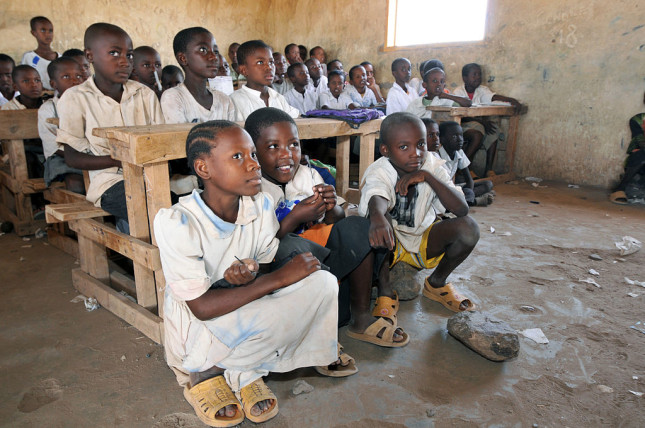
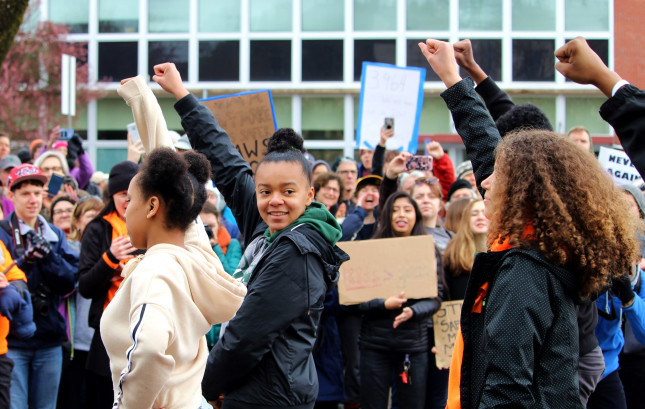
Even though it has always been said that young people are the future of society, it is important to note that we are very much present. We are ready to thrive and become productive adults. Unfortunately, many adolescents and young people are robbed of their potential. We still face a high risk of unplanned pregnancy, sexually transmitted infections, teenage pregnancy, early child bearing, unsafe abortions, and dropping out of school.
-
A Generation in Limbo: Protracted Refugee Situations in Kenya Must Be Addressed
›August 15, 2019 // By John Thon Majok
The 1951 Refugee Convention spells out refugee rights, including the right to freedom of movement. Yet 68 years later, 15.9 million people are trapped in prolonged exile, living as refugees for anywhere from 5 to 47 years and counting. The unprecedented duration of protracted refugee situations (PRS) and the increasing scale of forced migration demand a comprehensive response beyond humanitarian assistance.
-
The Power of Serial Dramas: Popular Characters Help Change Attitudes and Behaviors
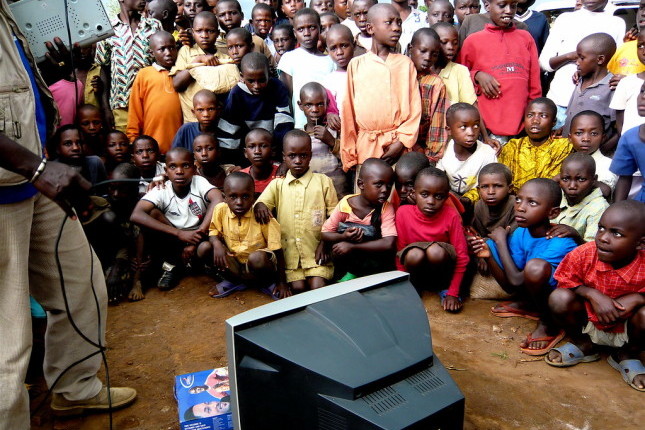
›“We are all convinced that educational entertainment is the way to go now,” said Anselme Muzalia Wimye, Program Quality Director at Search for Common Ground in the Democratic Republic of the Congo (DRC). He spoke at a recent event hosted by the Wilson Center’s Environmental Change and Security Program, Maternal Health Initiative, and The Population Institute. The panel discussed the power of educational entertainment (EE), in particular serial dramas, to precipitate positive behavioral change and public health outcomes in Africa.
-
Transforming Africa: Women and Young People Will Drive Progress
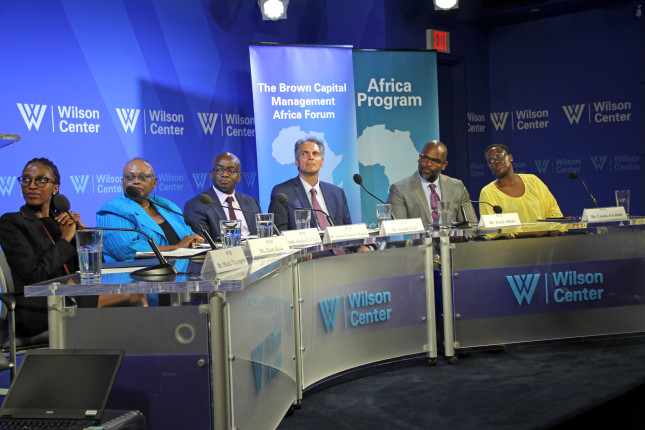
›“Too often in the United States, the narrative that we hear about Africa is one of poverty, war, and ineffective or failed states. It is a crisis, a place best engaged through aid packages and humanitarian assistance,” said Keith Lee, President and Chief Operating Officer of Brown Capital Management at a recent Wilson Center event hosted by the Africa Program. “This has never been the entire story, and today more than ever, Africa is undergoing enormous transformations that challenge this narrative,” Lee said.
-
Africa in Transition: Highlights from a Conversation on Investing in Youth for Economic Prosperity
›Africa in Transition, a new series hosted by the Wilson Center and the Population Institute, explores the role of population trends—migration, urbanization, fertility, maternal mortality—in shaping sub-Saharan Africa’s chances for prosperity, health, and security. In this podcast, we share highlights from the first Africa in Transition event. Parfait Eloundou-Enyegue, Professor at Cornell University, starts the conversation by reminding us that “African countries are in the middle of multiple transitions that have the potential to create opportunities for prosperity, growth, and increased human capital, but also to create greater inequality. The challenge, therefore, is to build prosperity, but to do it for all.”
-
Climate Change May Weaken Children’s Education in the Tropics
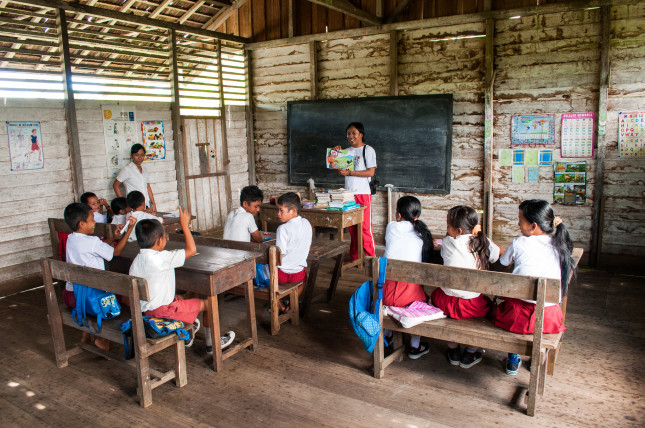
›In parts of the tropics, exposure to extreme temperature or rainfall in early life is associated with fewer years of schooling in later childhood. This finding comes from my new article in the Proceedings of the National Academy of Sciences, with coauthor Clark Gray. As climate change leads to increasingly severe heat waves, floods, droughts, and hurricanes, it is important to understand how extreme weather impacts kids’ education in different parts of the world. This will help decisionmakers develop solutions to keep children in school in a world of increasing climate variability.
-
Africa’s Future Workforce: Investing in Youth for Economic Prosperity and Equity
›“African countries are not in the middle of one transition, they are in the midst of several transitions,” said Parfait Eloundou-Enyegue, Professor and Chair of the Department of Development Sociology at Cornell University, at a recent Wilson Center event on demographic trends on the continent, and investing in youth to ensure economic prosperity. “All of these transitions are an opportunity for prosperity, an opportunity for growth, an opportunity to build human capital,” said Eloundou-Enyegue. However, demographic, cultural, political, and economic changes can also exacerbate existing inequalities between and within countries. The challenge is not only to build prosperity, but to do it for all, said Eloundou-Enyegue.
-
ICPD at 25: Unfinished Business Points to Unmet Needs
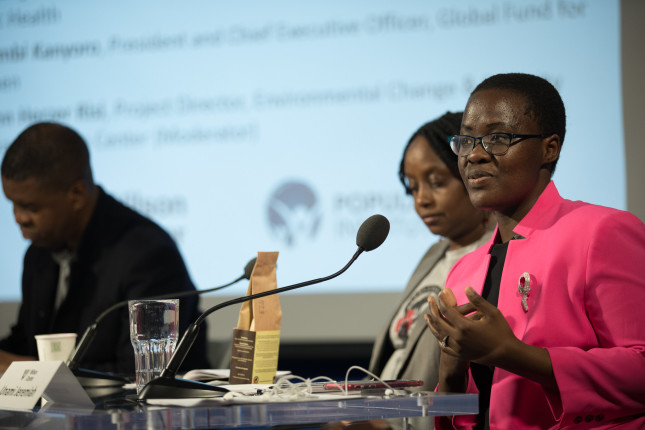
›“The ICPD (International Conference on Population and Development) Programme of Action is a promise. A promise that was made 25 years ago to young people, the intention of which was to give young people hope—hope that their rights, their needs, and their demands would be met,” said Kobe Smith, Vice President of the Youth Advocacy Movement at International Planned Parenthood Federation/ Western Hemisphere Region, at a recent Wilson Center event. This year marks the 25th anniversary of ICPD in Cairo.
Showing posts from category youth.