-
From the Pacific to the Atlantic, Protecting Coastal Communities From Climate Threats
›
The frontlines of climate change are the world’s shorelines. “It goes without saying that people living in coastal communities are already observing impacts,” said Erin Derrington, a coastal resources specialist working in the Northern Mariana Islands, at a recent Wilson Center event, the third in a series on coastal resilience presented in collaboration with the Hoover Institute and the Stanford Woods Institute on the Environment. “Although that is a challenge, it is also an opportunity and a driver for change and innovation,” said Derrington.
-
“I Don’t Want to Leave My Country for Anything”: Making the Decision to Migrate in the Marshall Islands
›
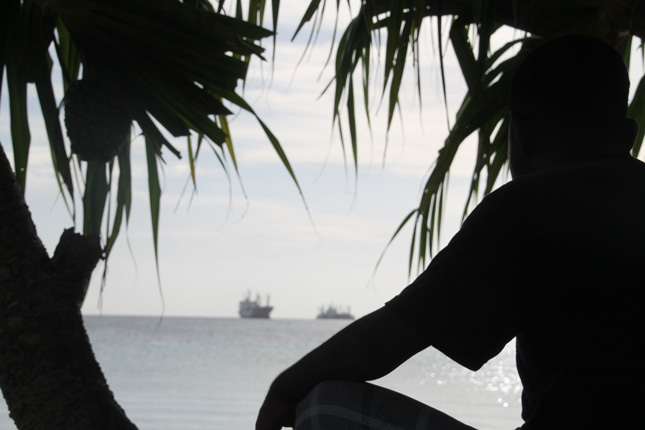
A threat looms on the sun-splashed horizon of the Republic of the Marshall Islands. The specter of climate change wraps its fingers around the islands, raising sea levels, salinizing soils, and sapping freshwater resources. These changes will make it even harder to sustain crops, which could push the population to even greater reliance on processed foods, which has already spurred a diabetes epidemic on the islands. The major role played by the United States in the history of the Marshalls, where nuclear bombs were famously tested during the Cold War, may continue, as the impacts of another existential threat—climate change—continue to increase.
-
Dealing with Disasters: Invest in Communities to Realize Resilience Dividends
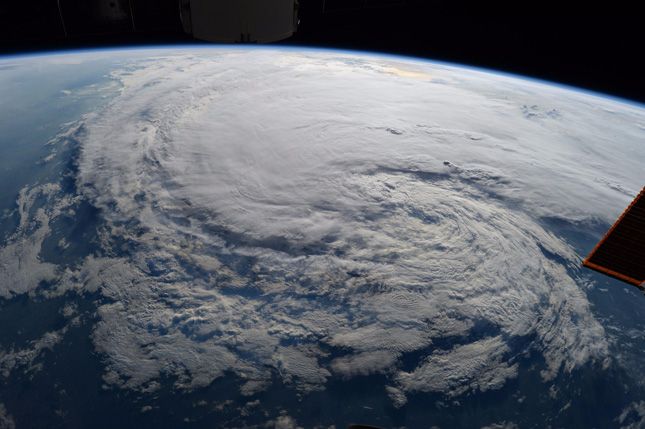
›September 27, 2017 // By Roger-Mark De SouzaThe 1-2-3 punch of hurricanes Irma, Harvey, and Maria has made it devastatingly clear that extreme weather events can and will destroy families, interrupt livelihoods, and tear apart communities, particularly in coastal and low-lying areas of vulnerable regions like the Caribbean and the United States.
-
Can Caribbean Islands Really Adapt to Extreme Hurricanes?
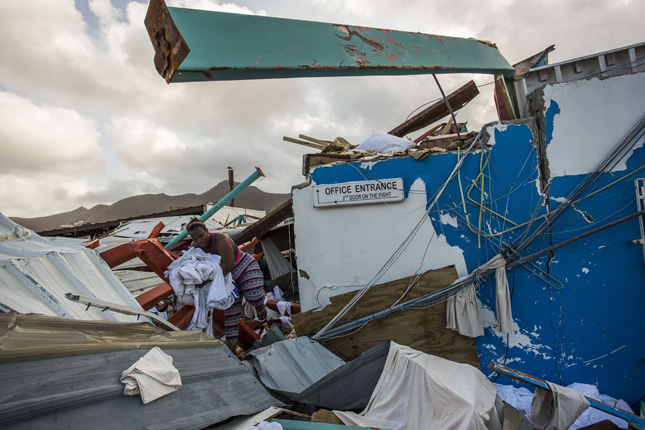
›“A monster”… “wreaking havoc”… “ripped through” the Caribbean and part of Florida: I heard these words as Hurricane Irma, the strongest Category 5 Atlantic hurricane on record, decimated the entire island of Barbuda and destroyed the four “most solid” buildings on St. Martin. And as I write this from the relative safety of Barbados, Hurricane Maria is on a similar path, leaving similar destruction in its wake. With winds of more than 160 miles per hour, Maria was the strongest storm to make landfall in Dominica. In a matter of hours, it devastated the country, regained its strength, and continued its onslaught on Puerto Rico and beyond.
-
Religion and Climate Diplomacy in Small Island Developing States
›Island states contribute only .03 percent to global emissions, but “nineteen major Caribbean cities are in the bullseye of the climate threat” and Pacific island states such as Kiribati and Tuvalu face an existential threat from sea level rise, said Selwin Hart, Barbados’ ambassador to the Organization of American States and the United States. At the same time, Small Island Developing States (SIDS) in the Pacific and the Caribbean are leading efforts to combat climate change, said experts at the Wilson Center on July 10.
-
Patrick D. Nunn, The Conversation
Sidelining God: Why Secular Climate Projects in the Pacific Islands are Failing
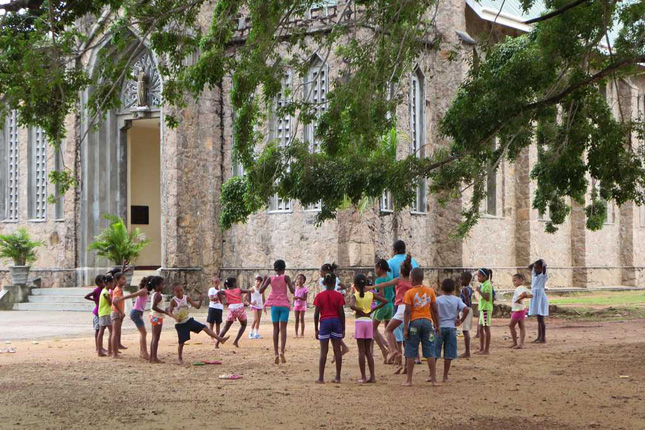
›July 7, 2017 // By Wilson Center StaffUnless you are cocooned in a tourist bubble, it is hardly possible to miss God when you visit the Pacific Islands. In every village and on every main street there seems to be a church or temple, packed to bursting point on holy days. It is testament to the considerable influence of spirituality on the way people live in the Pacific.
-
Necessity Is the Mother of Invention: Islands as the Vanguard of Climate Adaptation
›“Climate change is one of the greatest challenges of our time and it calls for a comprehensive and cooperative international approach like we’ve never seen,” said Jainey Bavishi, associate director for climate preparedness at the White House Council on Environmental Policy, at the Wilson Center on October 5. “The leadership of the island nations is essential; they punch well above their weight on this issue.”
-
Corruption, Climate Change, and Vulnerability in Small-Island States
›As international funding to support environmental management and development increases, the danger of associated corruption grows and requires greater attention. Small-island developing states (SIDS), greatly exposed to the damage caused by climate change, are particularly vulnerable. These small, trailblazing countries in the Pacific, Caribbean, and Indian Ocean are making progress in addressing climate threats, but will need international support and local commitment regarding rule of law and corruption in the climate sector as they try to prevent the worst effects of climate change and find a sustainable way to develop.
Showing posts from category small island states.