-
Adapting to Climate Change in Cities May Require a Major Rethink
›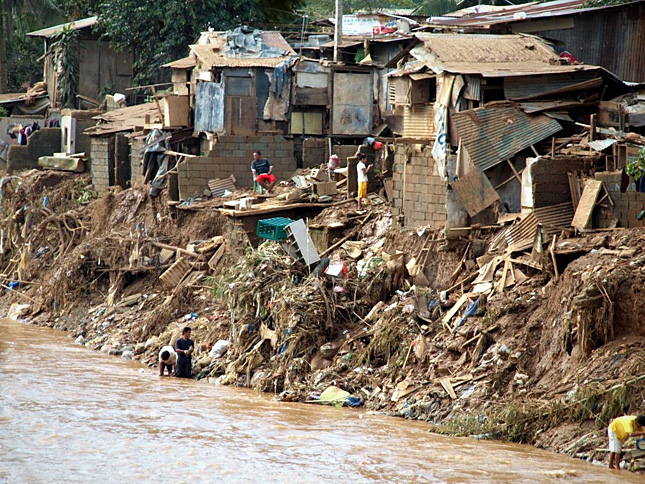
Around the world, urbanization and climate change are transforming societies and environments, and the stakes could not be higher for the poor and marginalized. The 2015 UN climate conference in Paris (COP-21) highlighted the need for coordinated action to address the profound injustice of the world’s most disadvantaged people bearing the greatest costs of climate impacts. Among those at the COP were mayors from around the world advocating for the important role of cities in these efforts.
-
Lessons From Uganda on Strengthening Women’s Voices in Environmental Governance
›
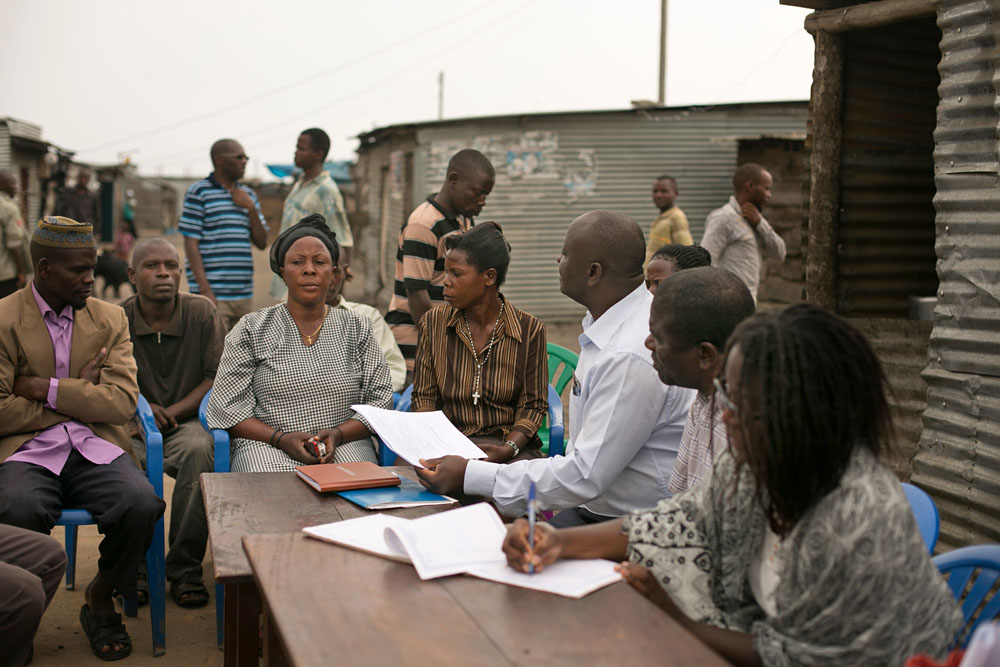
Ask Agnes Namukasa about sustainably managing fisheries in Kachanga, the lakeshore landing site she calls home in Uganda’s Masaka District, and you will soon learn about toilets. From her perspective, community members won’t address conflict between government enforcers and fishers, competition among neighboring villages, or pollution threatening aquatic ecosystems until they can first organize to address their most pressing daily needs. And in Kachanga, where chronic childhood diarrhea and a host of other illnesses stem from poor sanitation, those essentials include public latrines.
-
Can the “World’s Largest Urban Area” Clean Up Its Act? Shenzhen and the Pearl River Delta
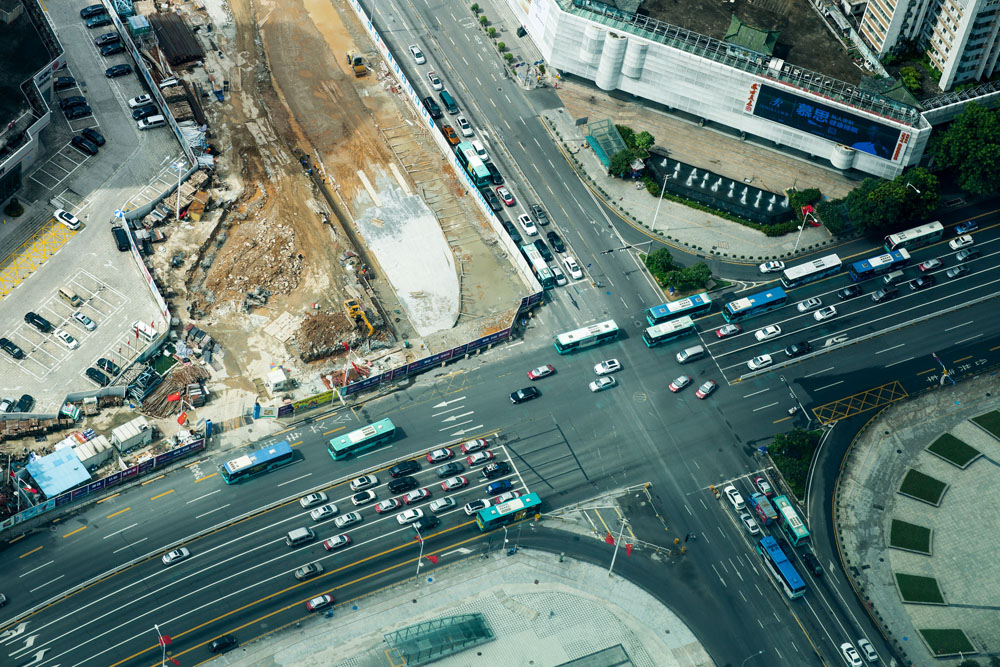
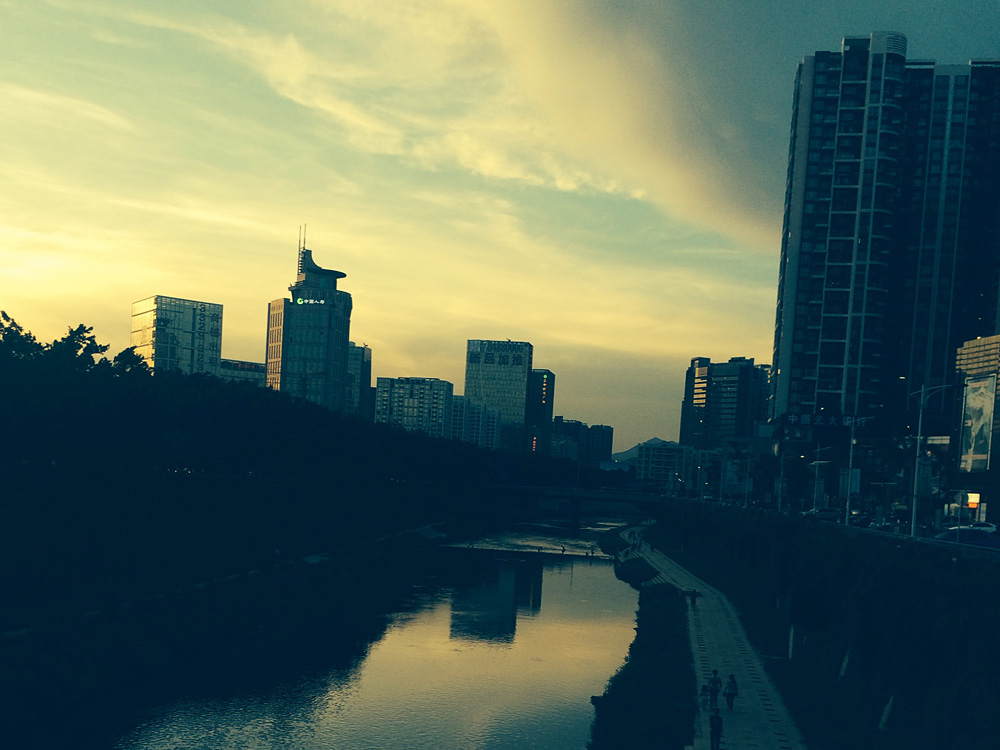
›SHENZHEN, China – In 1980, the year Deng Xiaoping established Shenzhen as China’s first special economic zone, opening its mercantile sectors to market capitalism and free trade principles, an attractive, tree-shaded commercial district known as Dongmen was home to 30,000 residents near the center of a metropolitan region of 300,000.
Thirty-five years later, Dongmen is a crowded commercial neighborhood of 300,000 residents at the edge of a metropolitan region of 18 million, China’s fourth largest.
-
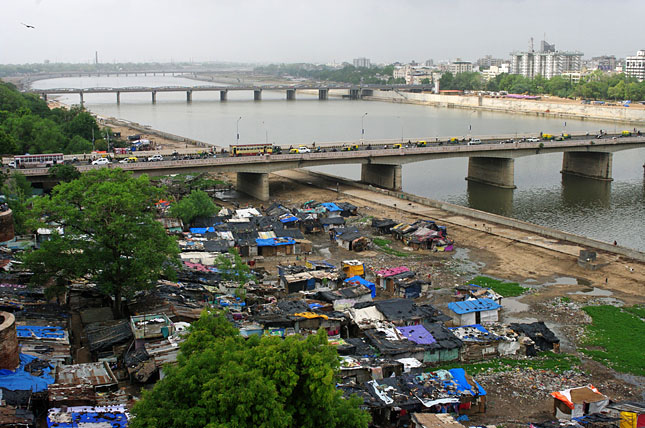
Evaluating Aid: Water Filters in Ahmedabad Leave Poor With No Good Options
›When you shop for a new refrigerator or pair of shoes, where do you look for information about products? Do you log onto Amazon and read reviews? Check Consumer Reports for lab-verified results? Consult your neighbor or mom?
-
Red Cross: Water Continues to Be Used as Weapon of War in Syria
›Water is being used as a weapon of war on one of Syria’s deadliest battlegrounds, says the International Committee of the Red Cross (ICRC) and its local affiliate, the Syrian Arab Crescent, in a new video.
-
Despite Massive Conservation, Recycling, Imports, Shenzhen Faces Water Shortages
›Shenzhen sits in subtropical south China, where four-fifths of the country’s water resources flow. The monsoon brings heavy rains from April to September; at its peak, Shenzhen’s more than 7 million residents see pouring rain almost every day. So why is this city facing a serious water shortage?
-
Sally Edwards on Health and Climate Change in the Caribbean: “It’s a Very Complex Web”
›“The relationship between human health…and environmental changes is extremely complex,” says Sally Edwards, advisor for sustainable development and environmental health of the Pan-American Health Organization/World Health Organization office for the eastern Caribbean countries, in this week’s podcast. -
Without Water, No Sustainable Development: World Water Week 2015
›The World Economic Forum recently named water crisis the world’s number one risk for the next 10 years for its potential impact on people and industry. Indeed, as the global community grapples with climate change – and environmental change of all kinds – understanding the fundamental nature if water to human society is crucial. The input report for this year’s World Water Week, released yesterday by the Stockholm International Water Institute, in fact argues that getting water management right is a prerequisite for sustainable development.
Showing posts from category sanitation.
 “The relationship between human health…and environmental changes is extremely complex,” says Sally Edwards, advisor for sustainable development and environmental health of the