-
To Build Resilience Through Development, Learn From Population, Health, and Environment Programs
›May 19, 2014 // By Laurie Mazur
In an era defined by climate change and other disruptions, “resilience” – the capacity to survive and thrive in times of crisis and change – is increasingly essential.
-
New Report From Military Leaders Calls Climate Change “Catalyst for Conflict”
›Military leaders should be very concerned about climate change – that’s the message of a new report released this week by the CNA Corporation’s Military Advisory Board.
-
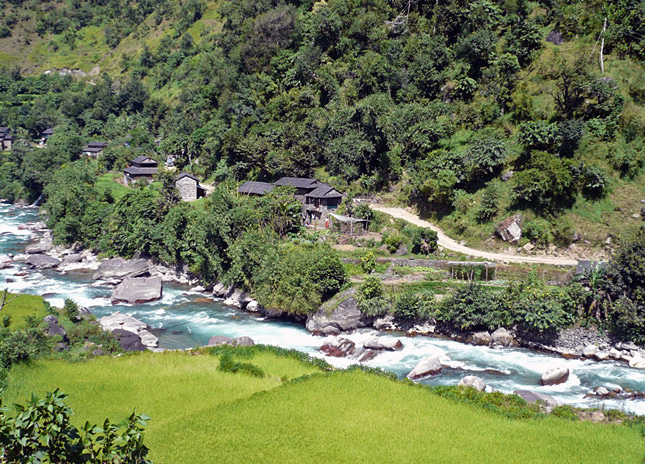
Nepal’s Micro-Hydropower Projects Have Surprising Effect on Peace Process
›
The Intergovernmental Panel on Climate Change’s fifth assessment, which has been rolling out in stages since last September, confirms a crucial divide in current climate thinking: efforts to adapt and mitigate to climate change are often considered separately from the vulnerability of people.
-
Kathleen Mogelgaard, Aspen Institute
Hungry, Hot, and Crowded: The Importance of Multi-Dimensional Strategies for Resilience
›May 6, 2014 // By Wilson Center StaffIn a world faced with rising temperatures, increasingly severe droughts and floods, and a rapidly growing population, how can people adapt to this new way of life – and even thrive? Leading experts discussed this question in-depth during an Aspen Institute Global Health and Development Program event titled, “Building Resiliency: The Importance of Food Security and Population.” The panel took place as part of the Civil Society Policy Forum at the 2014 IMF/World Bank Spring Meetings in Washington, DC.
-
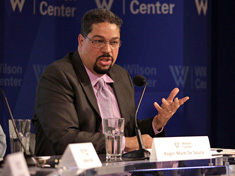
Roger-Mark De Souza: Integrated Development Shows Health, Population Dynamics Crucial for Resilience
›
Resilience means different things to different people. For many in the international development and humanitarian communities, building resilience means responding to growing climate risks through disaster mitigation and planning. But for people like Birhani Fakadi, a 39-year old mother of 11 in rural Ethiopia, it also means access to reproductive health and family planning services, says ECSP’s Roger-Mark De Souza in this week’s podcast.
-
Disaster Risk Reduction Important to Preserve Development Gains, El Niño May Becoming More Frequent, Powerful
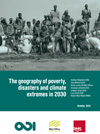
›As climate change threatens more extreme weather, it is becoming more important to incorporate disaster risk reduction into poverty-reduction efforts, writes the Overseas Development Institute in a new report. The authors of The Geography of Poverty, Disasters, and Climate Extremes in 2030 argue that the hard-won gains of development are threatened by vulnerability among the poorest to climate change disasters, especially droughts. “Up to 325 million extremely poor people will be living in the 49 most hazard-prone countries in 2030, the majority in South Asia and sub-Saharan Africa,” write Andrew Shepherd et al. Using an index measuring the risk of a nation’s exposure to natural disasters as compared with a nation’s vulnerability to extreme poverty (income less than $1 daily), the report singles out 11 nations at high risk in both categories.
-
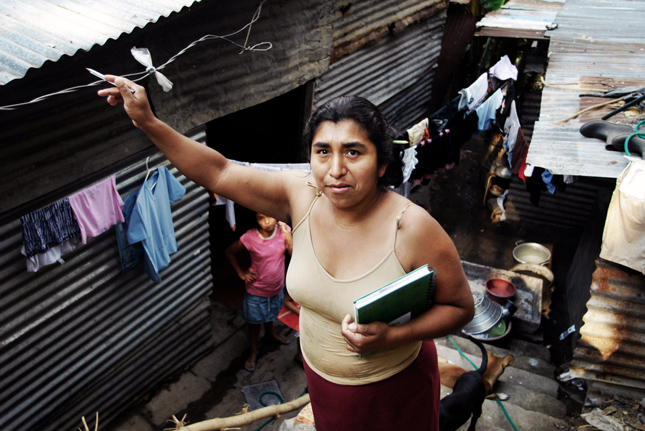
Earth Day 2014: Women at the Center of Sustainable Cities
›April 22, 2014 // By Roger-Mark De SouzaWhen I first came on board the Wilson Center last Earth Day, I wrote that I wanted to forge new paths and identify ways that reproductive health, environmental conservation, and women’s empowerment affect our lives today and in the future.
-
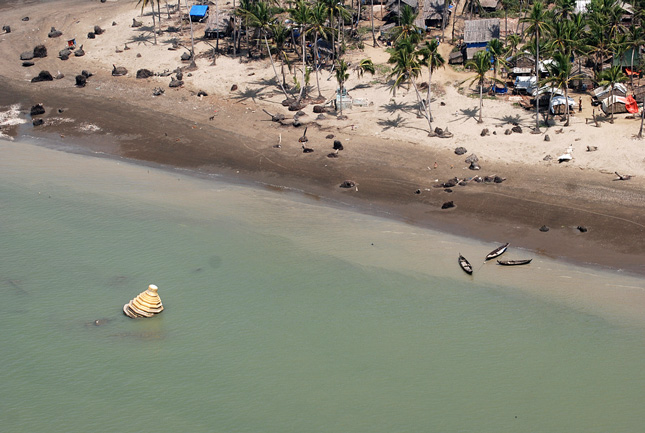
Not There Yet: Burma’s Fragile Ecosystems Show Challenges for Continued Progress
›Political and economic changes in Burma have been as rapid as they are surprising. In just three years, the country has gone from an isolated military dictatorship to a largely open country that is at least semi-democratic and has formally adopted a market economy. Both the European Union and the United States have eased economic sanctions, and dozens of foreign firms have moved in. Foreign direct investment increased by 160 percent in 2013 alone.
Showing posts from category risk and resilience.