-
Gerald Stang, European Union Institute for Security Studies
Climate Change and EU Security: When and How Do They Intersect?
›December 3, 2014 // By Wilson Center Staff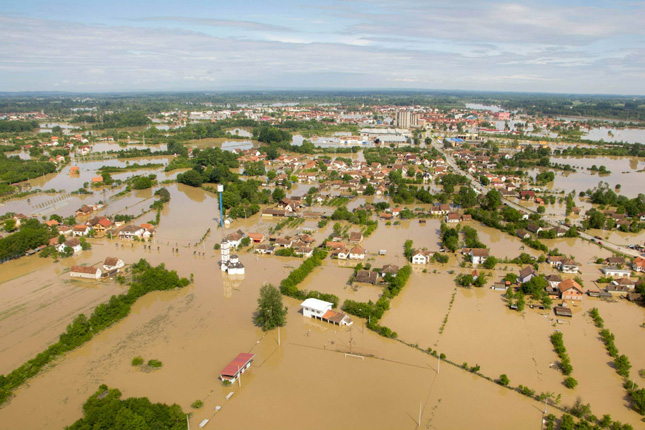
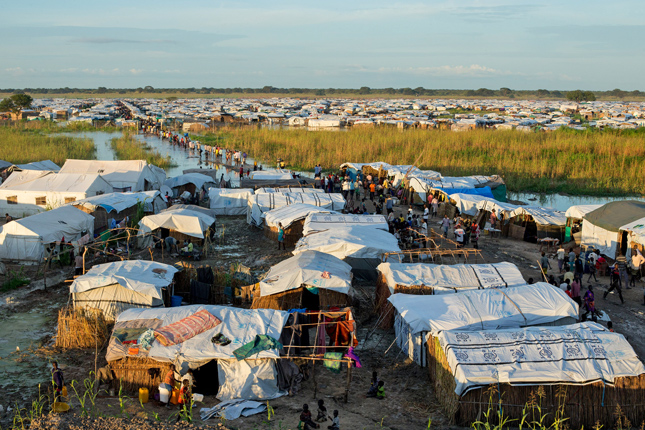
The potential security challenges linked with climate change can make for great headlines. While sensationalist claims about water wars, states collapsing in chaos, or the forced migration of hundreds of millions cannot be completely discounted for the long term, intelligent mitigation and adaptation efforts can help avoid the worst of these – and manage the rest.
-
Can Ecologists and Engineers Work Together to Harness Water For The Future?
›
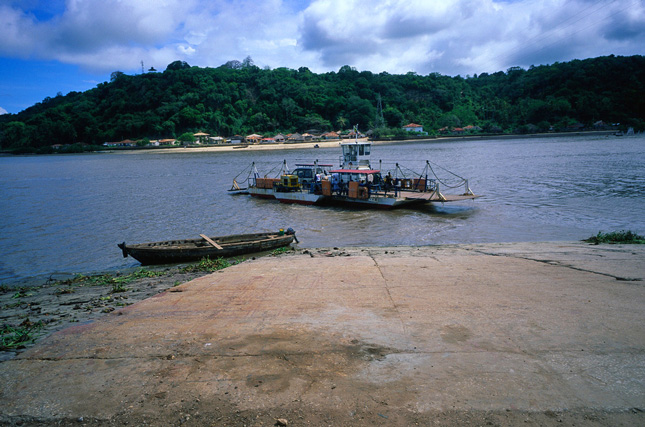
The Pangani River in Tanzania is important for many reasons: its three major dams provide 17 percent of the country’s electricity; it sustains thousands of farmers and herders living in the basin; and its flow of fresh water supports humans, industry, and ecosystems. But most interesting might be the innovative water policies that govern withdrawals, infrastructure projects, and ecosystems along its banks.
-
Necessary Partners: The Sahel Shows Why Development and Resilience Efforts Can’t Forget Men
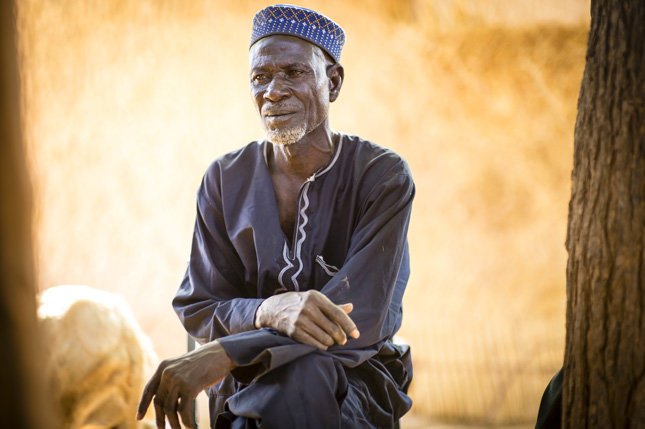
›One-third of boys in the developing world don’t face the risk of marriage and pregnancy before age 18. There are no laws preventing men from owning land or property. Men don’t bear the brunt of increasingly frequent and severe disasters. And men don’t hold fewer than 25 percent of parliamentary seats worldwide.
-
Integrated Development Programs Work to Expand Conservation and Health Efforts in Uganda and Madagascar
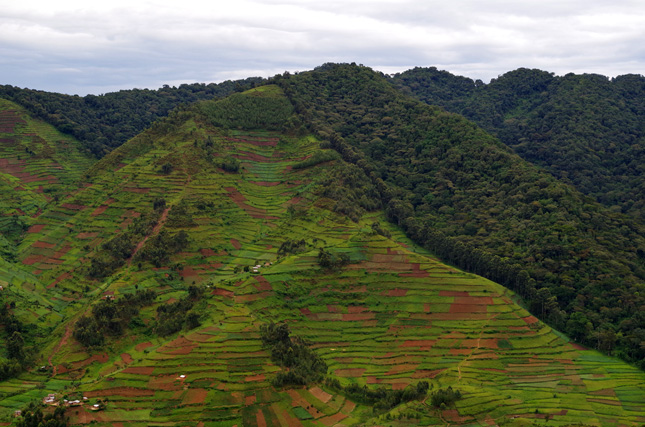
›As is becoming clear, climate change, environmental degradation, population, and poverty alleviation are inextricably linked in many parts of the world. [Video Below]
-
What’s Next? Two Decades Tracking the Environment-Security-Population Nexus
›Global crises like the Ebola outbreak force us to consider what “security” really means, said Sharon Burke, senior advisor for the New America Foundation. “Is security getting our kids to school and food on the table…or are you talking about military security and defense threats that require a weapon to counter?”
-
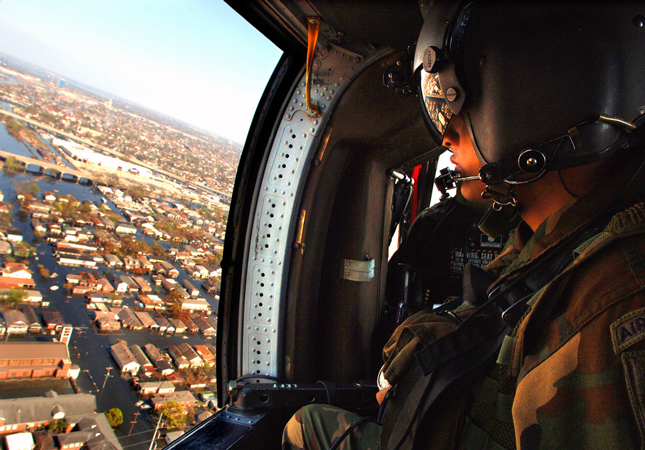
Pentagon Releases New Climate Roadmap, Plans for Constrained Training, Challenged Infrastructure, Expanding Missions
›October 13, 2014 // By Schuyler NullA series of executive orders signed by President Obama since his first year in office requires all federal agencies to begin planning for climate change and produce an updated adaptation plan by May of this year. The Pentagon is a little late, but today they released their second-ever climate roadmap.
-
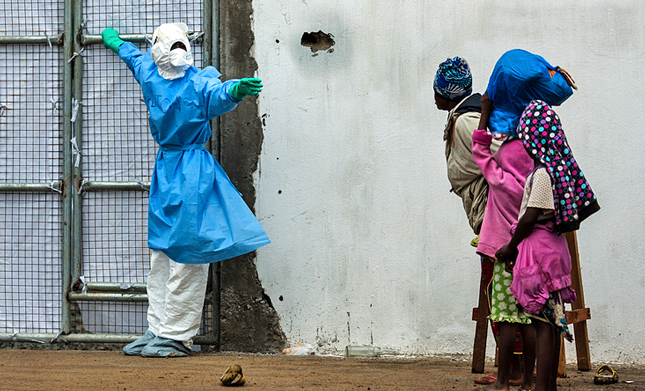
The Making of a Tragedy: Inequality, Mistrust, Environmental Change Drive Ebola Epidemic
›October 9, 2014 // By Laurie MazurIn August, armed men stormed an Ebola clinic in Monrovia, Liberia, releasing infected patients and stealing contaminated bedding. The following month, eight health workers were attacked and killed in a Guinean village as they tried to educate residents about the deadly disease; their bodies were found in a village latrine. Days later, Red Cross workers in western Guinea were assaulted as they tried to collect and bury Ebola victims.
-
New Approaches to Projecting Population Yield Divergent Forecasts and Valuable Insights
›As the UN General Assembly begins charting a course toward sustainable growth, population projections will likely undergird many of their most important assumptions about the future. As two new papers released last week demonstrate, however, there are differing opinions about how much the world’s population will grow and when it will stabilize.
Showing posts from category risk and resilience.