-
Islands: Climate Victims or Champions of Resilience?
›
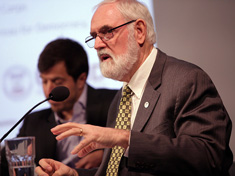
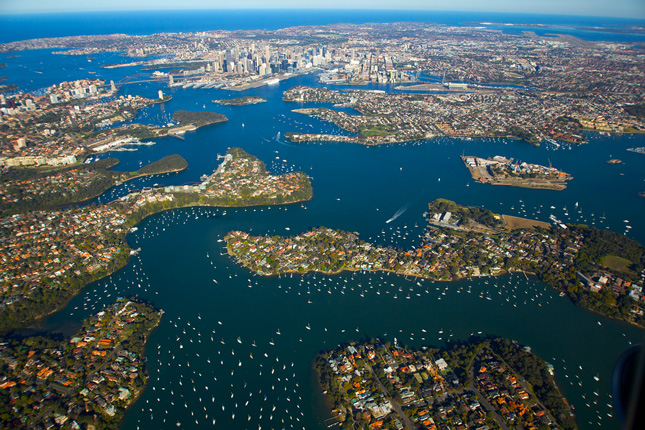
In contrast to the common narrative of small-island states being among the most vulnerable to climate change, their growing experience in climate-compatible development, disaster prevention, and coordinating information and aid in new ways may be a valuable asset, said panelists at the Wilson Center on March 25.
-
New G7 Report Highlights Climate Change and Fragility as a Foreign Policy Priority
›
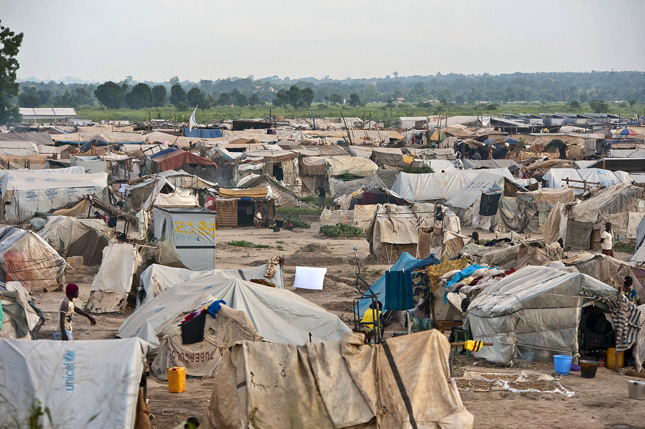
At the close of a meeting of G7 foreign ministers in Lübeck today, ministers announced a stronger collective commitment to tackling climate-related risks in states experiencing situations of fragility.
-
As Glacial Floods Threaten Mountain Communities, a Global Exchange Is Fostering Adaptation
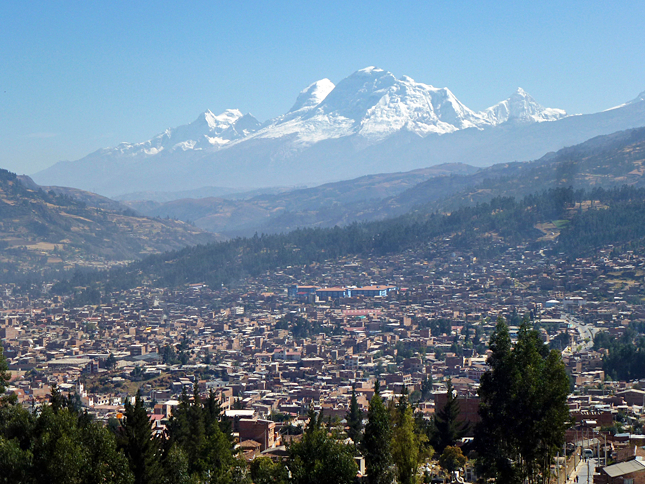
›In 1941, glacial Lake Palcacocha in the Peruvian Andes burst its moraine dam of earth and stones, sending a torrent of water through the city of Huaraz and killing an estimated 5,000 people. Between 1941 and 1950, two more glacial lake outburst floods, or GLOFs, which can occur after enough water fills in behind a glacier’s end moraine, killed another 5,000 people in the Cordillera Blanca. In response, the government set up one of the most effective glaciological units in the world with the goal of preventing future outburst floods. Using drain pipes, reinforced terminal moraine dams, sophisticated tunnels, and valve systems, they drained or contained 34 lakes in the region. As a result, thousands of lives were saved.
-
What’s in a Name? States of Fragility and Adjusting Aid to Conflict Zones
›April 13, 2015 // By Lauren Herzer RisiDepending on how closely you pay attention to the OECD, you may have picked up on a subtle but meaningful change in this year’s States of Fragility report. Whereas previous reports were titled Fragile States, the Organization for Economic Cooperation and Development has shifted its framing to focus less on states and more on conditions, less on the binary status of a “fragile state” and more on fragility as a universal condition that can impede development in all countries.
-
Big Money, Big Politics, and Big Infrastructure: Florida’s Saga Illustrates Climate Change’s Deep Challenges
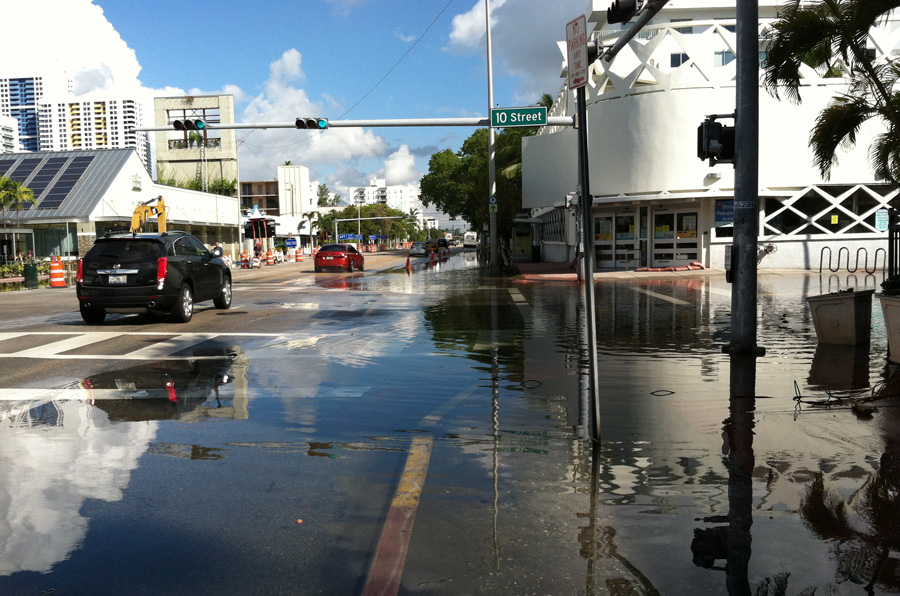
›Investigative journalists reported earlier this month that top appointees at Florida’s Department of Environmental Protection and other state agencies ordered employees not to use the terms “climate change” or “global warming” in official communications. Politically coded euphemisms such as “climate drivers” and “climate variability” were to be used instead. “Sea-level rise” was to be replaced with “nuisance flooding.” The news swiftly went viral, with commentators noting the irony of such censorship occurring in Florida – essentially ground zero for climate change in the Global North.
-
Tom Staal on How Resilience Changes the Way USAID Works
›When it comes to international development, a resilience framework is key, says Tom Staal, acting assistant administrator of the Bureau of Democracy, Conflict, and Humanitarian Assistance at USAID, in this week’s podcast.
-
A Quick Video Tour of How We Got to 7 Billion and Where We’re Going Next
›Hans Rosling has always been an innovator when it comes to bringing big ideas to big audiences. The Norwegian doctor, statistician, and co-founder of the Gapminder Foundation has become known – to the kind of people who watch TED Talks anyway – for lively presentations aimed at demystifying common ideas about global development and demography. On Gapminder.org, he literally stands chest-high in water appealing for your donation to help him “cross the river of myths.”
-
World Economic Forum Evaluates Global Risks, Comes to Some Odd Conclusions
›With intense drought in Sao Paulo and California, devastating floods in Malawi, and escalating water-energy confrontations in many developing countries, it is no wonder water is making headlines. It’s also gained the attention of the World Economic Forum (WEF), which lists water crises as the world’s number one risk in its recently released Global Risk Assessment.
Showing posts from category risk and resilience.