-
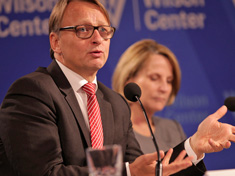
Alexander Carius: To Promote Cross-Sectoral Collaboration, Put Resilience at the Forefront
›
With dangerous levels of climate change already in the pipeline, countries across the world are tasked with adapting to a drastically changing Earth. The Wilson Center and a consortium of international partners recently released an independent report commissioned by the G7 that examines the risks to stability from climate change.
-
De Souza: In Era of Man, Demography Needs to be Part of Environmental Security Discussion
›A new article from the Wilson Center’s own Roger-Mark De Souza explores how population trends can bolster community resilience in the face of climate change and other security threats. De Souza argues that demographic trends such as age structure help determine how well a population is able to respond to and bounce back from shocks, especially environmental ones like drought and famine.
-
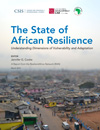
‘State of African Resilience’ and a Review of Food Security-Family Planning Programs
›In their first annual report, the ResilientAfrica Network (RAN), a partnership of 15 African universities, Tulane University, Stanford University, and the Center for Strategic and International Studies, outlines efforts to explore and define multiple “pathways of vulnerability” in sub-Saharan Africa. The report acknowledges that these pathways can be very different from place to place, but by working with African communities more closely, they hope to find new ways to break cycles of chronic crisis. One of the interventions piloted by Stanford was “deliberative polling,” which is based on the premise that communities are more likely to respond to development interventions if they understand the logic behind them and are involved in the process. -
Adapting to Global Change: Climate Displacement, Mega-Disasters, and the Next Generation of Leaders
›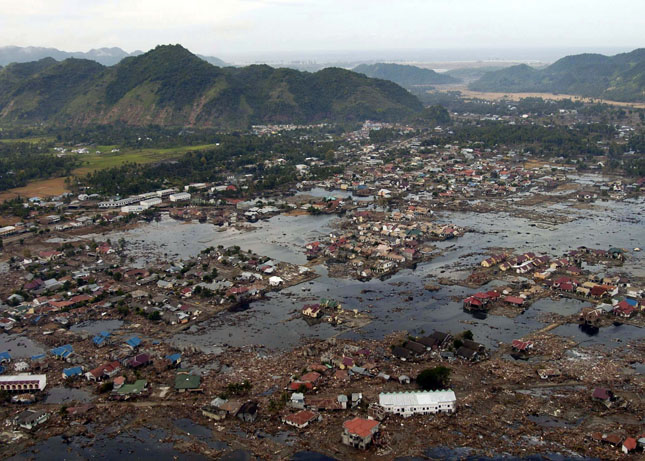
The world is more connected than ever before, but also more complex. Big, transnational trends like climate change, urbanization, and migration are changing the calculus of geopolitics, while local-level inequalities persist. “[Change] seems to be spinning around us so fast,” said John Hempelmann, president of the Henry M. Jackson Foundation, which honors the legacy of the late senator from Washington State. How can today’s and tomorrow’s leaders adjust to global trends? [Video Below]
-
Alice Thomas: Climate Change Effects and Responses Profoundly Undermine Human Rights
›After Typhoon Haiyan ripped across the Philippines in 2014 leveling nearly every building in sight, 4 million people – mostly poor and from coastal regions – were displaced. In response, the government set up “no build” zones in vulnerable areas and worked to move people to new land. But many of the newly relocated people discovered this land came with no access to water, electricity, or other services.
-
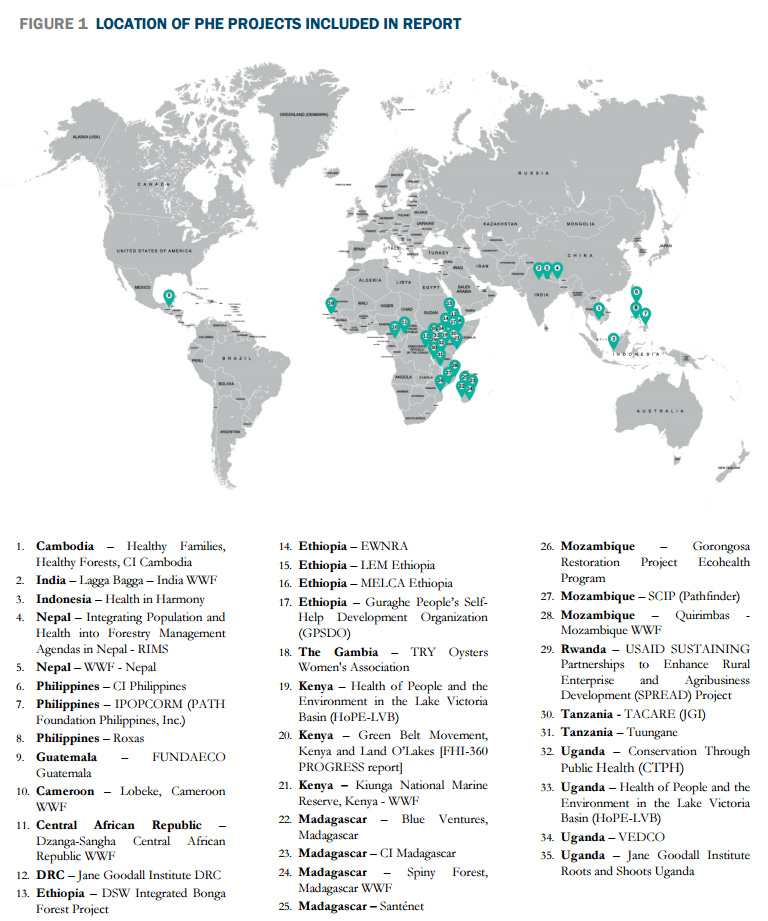
Do Population, Health, and Environment Projects Work? A Review of the Evidence
›Frequent readers of New Security Beat are no strangers to the PHE approach to development – projects, often community-based, that integrate population, health, and environmental programming in a single intervention. Practitioners suggest that such integrated programming is more effective and efficient than running simultaneous siloed projects, each focusing on a narrower objective. But does the evidence support this conclusion? How effective is the PHE approach?
-
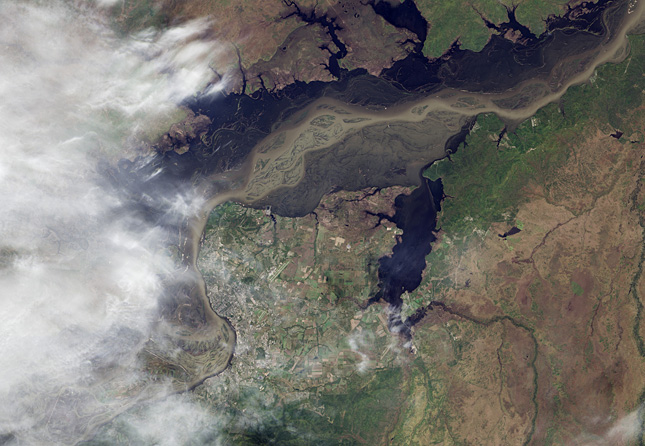
Adaptation, Resistance, or Subversion: How Will Water Politics Be Affected by Climate Change?
›One of the primary ways climate change is expected to affect international relations is through water. There are more than 270 bodies of water that cross over international boundaries, and various methodologies have identified several dozen that are particularly at risk for tension or conflict. So how is climate change affecting transboundary water politics? Are governments and institutions taking the threat seriously? A few years back, a group of researchers decided to focus on this question.
-
The Sahel Beyond the Headlines: Underlying Demographic, Environmental Trends Erode Resilience
›Between the Sahara to the north and savanna to the south lies the semi-arid Sahel, a region stretching from Senegal to Sudan that has experienced desperate poverty, climate change, malnutrition, and violence. While every context is different, the Sahelian countries share some common challenges, including a pattern of recurring crises and fluid borders. Boko Haram’s reign of terror in northern Nigeria and Mali’s coup have both had cross-border components. [Video Below]
Showing posts from category risk and resilience.