-
Development in U.S. and Canadian Arctic Not Only About Oil and Gas, But Providing for People
›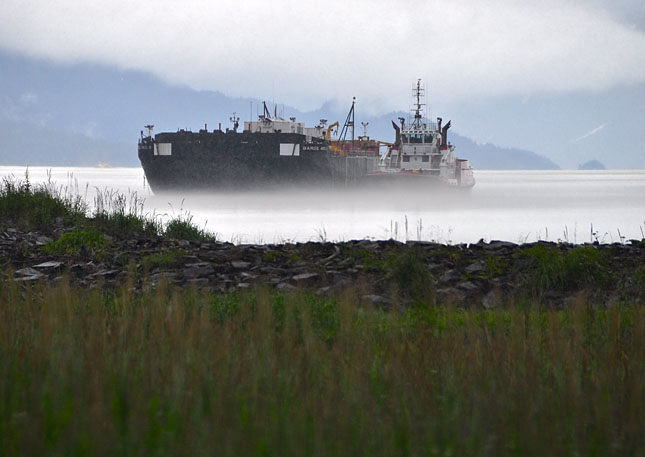
Opportunities for research, enterprise, and exploration in the Arctic are expanding as climate change renders the northernmost reaches of the globe more accessible – and visible – than ever before. Often overlooked, however, are the people who actually live there. Four million people make their home in the resource-rich Arctic, where developers and policymakers are staking growing claims. [Video Below]
-
Lessons From Katrina: Can Media-Citizen Collaboration Help Cities Adapt to Climate Risks?
›
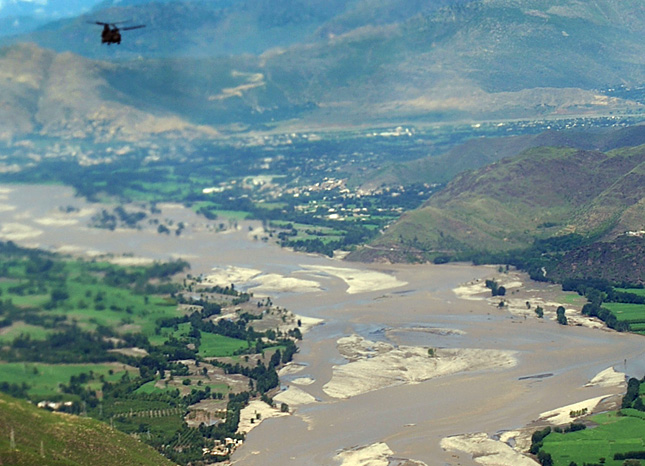
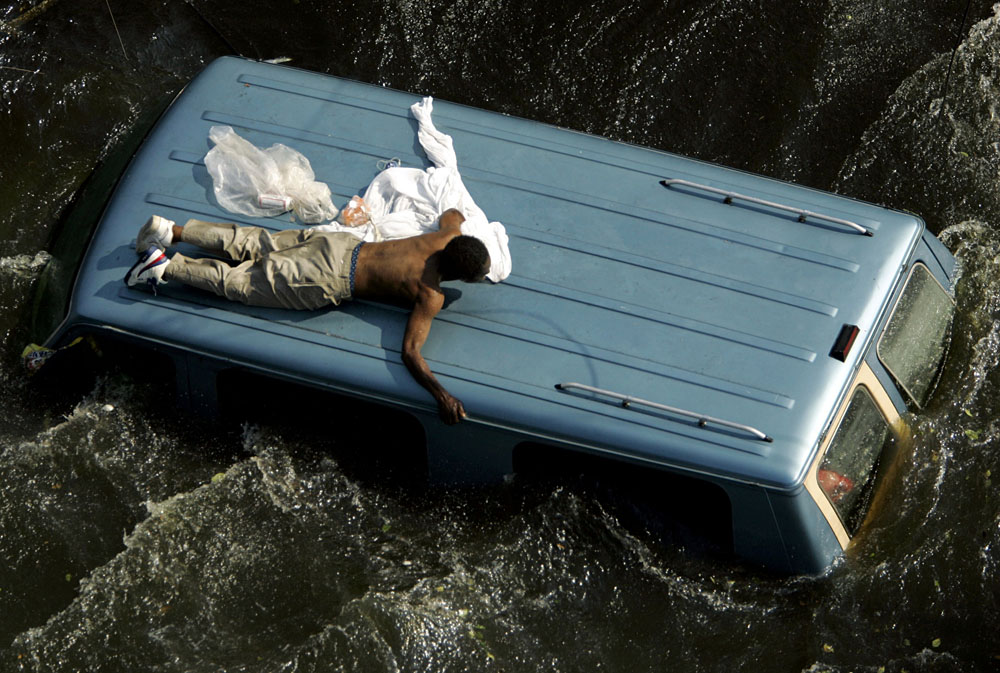
Ten years ago this month one of the United States’ deadliest and most costly storms, Hurricane Katrina, struck the Gulf Coast. In Louisiana, the storied city of New Orleans was dealt a particularly devastating blow. Hundreds died and the city suffered extensive damage as 80 percent of its neighborhoods flooded, prompting an exodus it is still recovering from.
-
Turning the Climate-Security Problem on Its Head: Geoff Dabelko Talks G7 ‘Climate for Peace’ Report
›Conversations around climate change often take place at the “30,000-foot level,” said Ohio University Professor and ECSP Senior Advisor Geoff Dabelko in a recent radio interview with WOUB Public Media, based out of Athens, Ohio. Emission reductions, carbon concentrations, global temperatures. But a certain amount of change is already baked into the system and impacts are playing at in different ways around the world already. -
A Case for Refugee Resilience: Reflection on the Lost Boys’ Story of Perseverance
›Fifteen years ago last month, I was brought to America through the U.S. Refugee Resettlement Program after having lived in refugee camps in Ethiopia and Kenya for more than a decade. As I reflect on my experience, it is my hope that it will inspire others and help inform dialogue on forced migration so that refugees are perceived not just as victims, but models of resilience.
-
Alice Hill on Mainstreaming Climate Risks Into U.S. Government Planning: “We Should Care Deeply”
›“Perhaps I’m a case study for what happens in the federal government when we start on a tough problem,” says Alice Hill, the senior director for resilience policy at the National Security Council and former senior counselor to the secretary of homeland security, in this week’s podcast. -
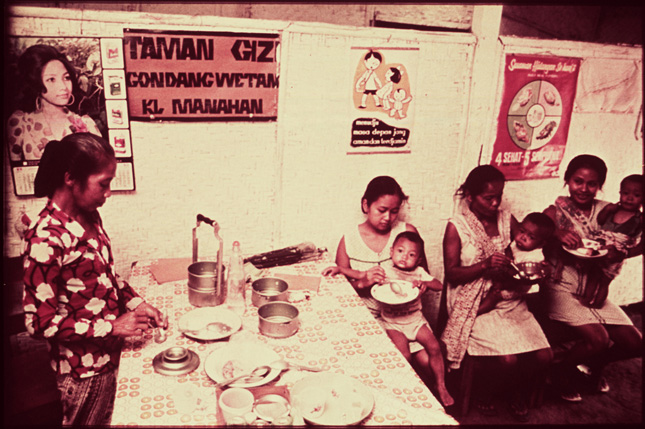
50 Years of Family Planning at USAID: Successes, Political Challenges, and Future Directions
›Since President Lyndon B. Johnson created the USAID population program in 1965, it has evolved in tandem with the global discourse on population and demography. “The agency’s family planning program is as relevant today as it ever was, and is necessary,” said Jennifer Adams, deputy assistant administrator of the U.S. Agency of International Development’s Bureau for Global Health. The bureau houses the Office of Population and Reproductive Health, which implements U.S. development and relief efforts to expand access to modern contraceptives, fight HIV/AIDS, reduce unsafe abortions, and protect the health of women and children. [Video Below]
-
A New Climate for Peace: Taking Action on Climate and Fragility Risks (Report Launch)
›As momentum builds towards the negotiation of the Sustainable Development Goals and UN climate change summit later this year, the G7 countries – France, Germany, Italy, Japan, Canada, the UK, and the United States – have made a strong statement about the importance of climate security risks. A New Climate for Peace: Taking Action on Climate and Fragility Risks, an independent report commissioned by G7 foreign ministers and authored by a consortium of international organizations including the Wilson Center, analyzes the security and stability risks posed by climate change and offers concrete policy options for addressing them. [Video Below]
-
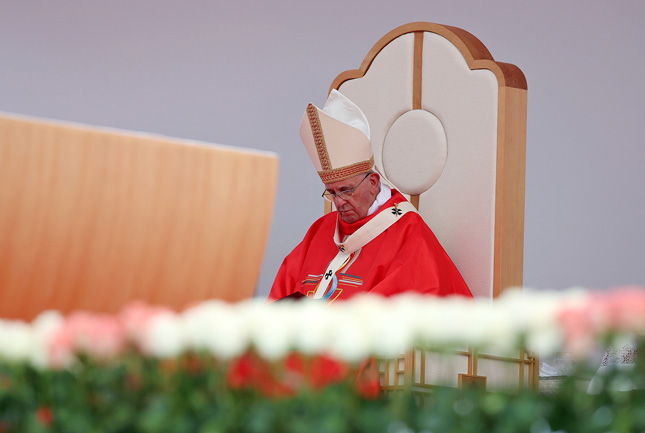
Pope Francis’ Encyclical Calls for Integrated Development – Just Don’t Say “Reproductive Health”
›Pope Francis sparked worldwide discussion and jubilation among many green advocates after releasing Laudato Si, the first Papal encyclical to focus directly on the environment. The pontiff touched on everything from pollution and sustainable development, to anthropogenic climate change and water security in his 180-page missive.
Showing posts from category risk and resilience.
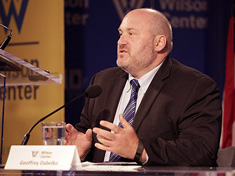 Conversations around climate change often take place at the “30,000-foot level,” said Ohio University Professor and ECSP Senior Advisor Geoff Dabelko in a recent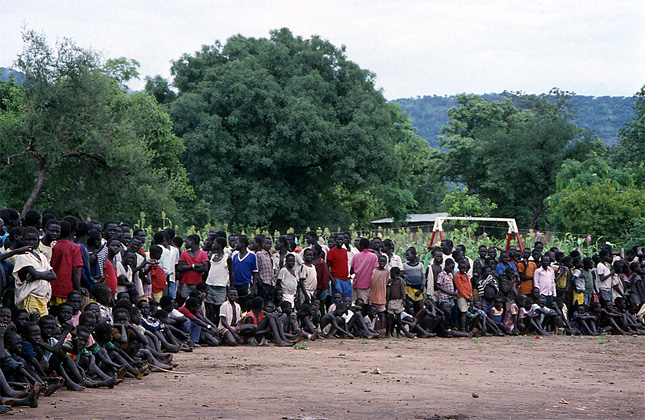
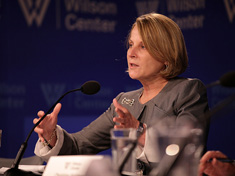 “Perhaps I’m a case study for what happens in the federal government when we start on a tough problem,” says Alice Hill, the senior director for resilience policy at the National Security Council and former senior counselor to the secretary of homeland security, in this week’s podcast.