-
What’s Next? A Report Out From the First Planetary Security Conference
›February 18, 2016 // By Gracie CookIn November 2015, experts from a variety of fields gathered at the Peace Palace in The Hague for the Planetary Security Conference, one of the first large-scale conferences on environmental security and what is hoped to be the start of an annual series. The conference report gives a sense of the diverse discussions held in the Netherlands.
-
Climate Change, Disasters, and Security: Unconventional Approaches to Building Stability
›
It is “not sufficient to look at history for lessons on how we should prepare for and prevent future security risks in a climate change world,” said Swathi Veeravalli, research scientist at the U.S. Army Corps of Engineers’ Geospatial Research Laboratory, at the Wilson Center on January 14. Climate change and the extreme weather events it brings pose an “unprecedented” threat to human security. [Video Below]
-
Adapting to Climate Change in Cities May Require a Major Rethink
›
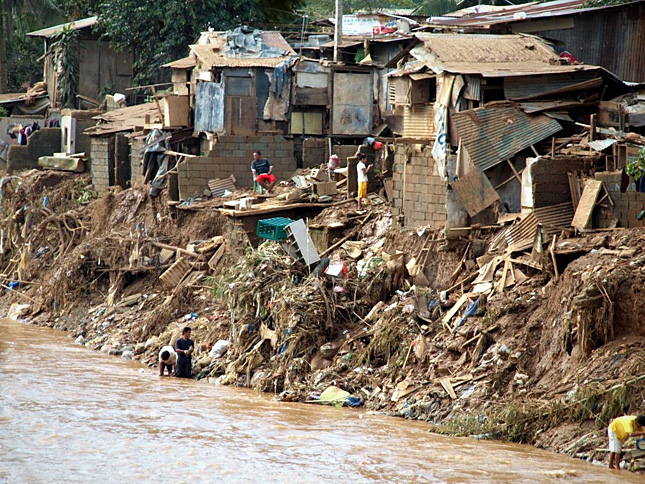
Around the world, urbanization and climate change are transforming societies and environments, and the stakes could not be higher for the poor and marginalized. The 2015 UN climate conference in Paris (COP-21) highlighted the need for coordinated action to address the profound injustice of the world’s most disadvantaged people bearing the greatest costs of climate impacts. Among those at the COP were mayors from around the world advocating for the important role of cities in these efforts.
-
An Environmental Migration Review and 6 Recommendations to Build Livelihood Resilience
›An article in the Annual Review of Sociology reviews much of the research on the relationship between environmental factors and migration, providing a timely overview of a complex field. “Migration is often a household strategy to diversify risk,” write Lori Hunter et al., but can be influenced by any number of determinants, including at the macro level (e.g., environmental, social, cultural, economic, and political dynamics), the meso level (e.g., intervening obstacles and facilitators), as well as the micro level (e.g., personal and household characteristics). -
Lessons From Uganda on Strengthening Women’s Voices in Environmental Governance
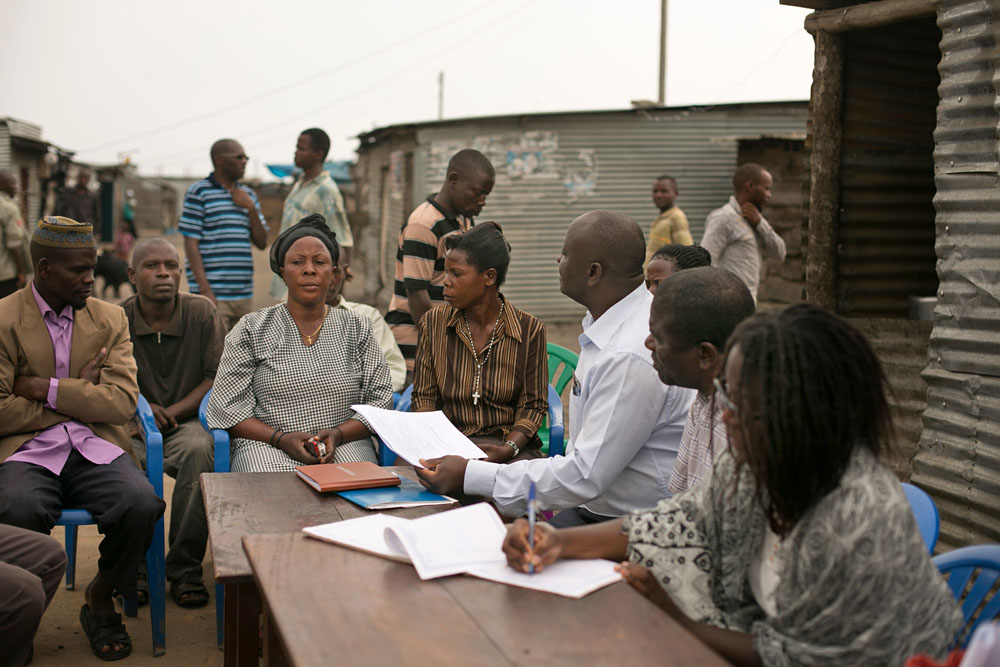
›Ask Agnes Namukasa about sustainably managing fisheries in Kachanga, the lakeshore landing site she calls home in Uganda’s Masaka District, and you will soon learn about toilets. From her perspective, community members won’t address conflict between government enforcers and fishers, competition among neighboring villages, or pollution threatening aquatic ecosystems until they can first organize to address their most pressing daily needs. And in Kachanga, where chronic childhood diarrhea and a host of other illnesses stem from poor sanitation, those essentials include public latrines.
-
An Empty Table? Food-Climate-Conflict Connections in Paris
›Security, terrorism, conflict, and peace: you won’t find any of these words in the landmark agreement released on December 12 at the 2015 Paris Climate Conference (COP-21). It’s never been front-and-center on the agenda at previous Conference of Parties, from Copenhagen to Cancun. But in Paris, a city reeling from terrorist attacks, the specter of climate-related conflict haunted delegates and the potential of a climate-resilient peace inspired grassroots protests.
-
Mogelgaard, McGray, Amerasinghe, World Resources Institute
What Does the Paris Agreement Mean for Climate Resilience and Adaptation?
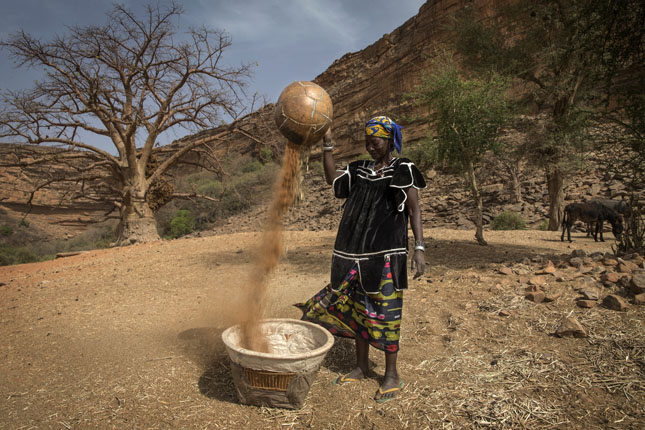
›January 14, 2016 // By Wilson Center StaffClimate change impacts, such as severe drought, sea-level rise, and shifting seasonal patterns, will affect people everywhere. So it’s fitting that the new Paris Agreement places unprecedented importance on actions needed – both nationally and globally – to help people adapt, and solidifies expectations that all countries will do their part to promote greater climate resilience. It also recognizes that even the greatest resilience may not completely prevent harm to life and property, and that the global community must find ways to address “loss and damage” in cases where impacts are beyond the limits of adaptation.
-
Climate Compensation: How Loss and Damage Fared in the Paris Agreement
›The agreement coming out of the COP-21 negotiations gave breakthrough recognition to the concept of “loss and damage,” sorting through thorny discussions and politically charged negotiating positions. These positions revolved around liability and compensation, which developing countries called for but developed countries were unwilling to have included in the agreement.
Showing posts from category risk and resilience.