-
Creating a Water Ready World
›March 22, 2016 // By Sherri Goodman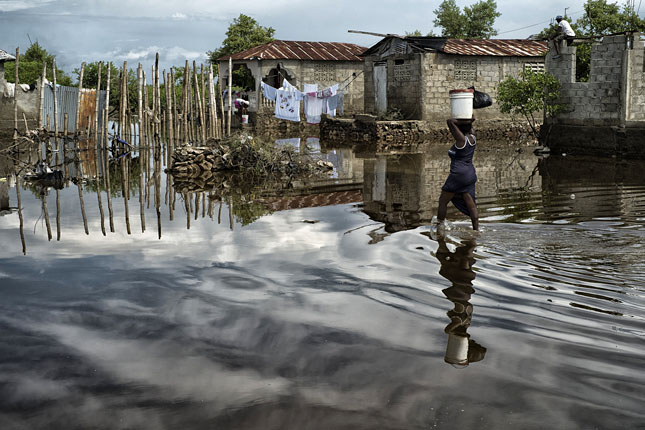
Sitting at my desk looking at bills to be paid, the first one on the stack is for the water company, emblazoned with the phrase, “Water is Life.” Yes, we all know that. But really, as my teenagers would say, “Duh, Mom. So what?”
Well, here’s the “so what” on this World Water Day 2016.
-
Global Stories From the Nexus of Gender and Climate Change Vulnerability
›March 21, 2016 // By Gracie Cook
Developing countries are in a pitched fight against the effects of climate change, and women, playing prominent roles in agriculture and household resource collection, are “at the front lines in the battle,” writes UN Framework Convention on Climate Change Executive Secretary Christiana Figueres, in a new report.
-
Jon Unruh on Darfur and the Importance of Flexible Institutions for Managing Migration Conflict
›When it comes to environmental change, “policies and laws can have a very productive contribution toward positive adaptation, or they can subvert that and constrain options,” says Jon Unruh, associate professor of human geography and international development at McGill University, in this week’s podcast. -
Kabul Greenbelt Project Aims to Restore Some Luster to War-Ravaged Capital – and Resilience Too
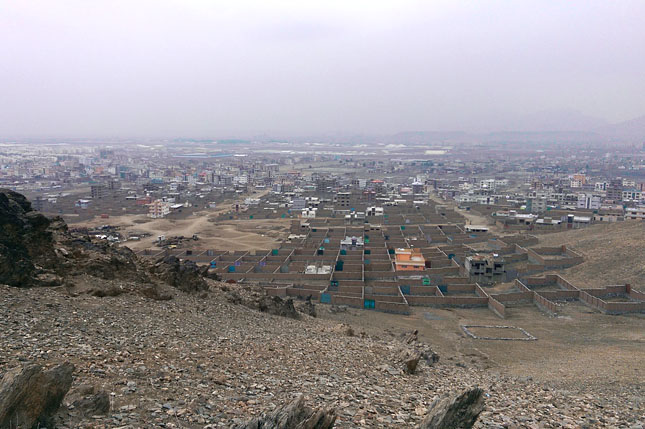
›It’s hard to imagine today, but Kabul was once ringed with grassy areas and shrubs, a few trees in areas too. Some of my husband’s favorite recollections of early 1970s Afghanistan are of simple family picnics in picturesque parks. Hours of lounging, grilling kebab, preparing rice, and conversing were a respite from the oppressive heat of the capital. Sometimes a picnic would become an all-night, extended family gathering. The Gardens of Paghman were a favorite destination with rows of pine trees, roses, and cool fountains. Pre-war family photos reveal neatly trimmed trees, bushes, and ample grassy areas for impromptu games. The family picnic is still popular among the Afghan diaspora. In the United States, Afghan community events are often held in parks, and involve large, multi-family picnics.
-
The Environment and Energy Stories to Watch in 2016
›The climate agreement reached in Paris last December, seen by many as a critical step toward lowering greenhouse gas emissions, was big news – perhaps too big. Pointing to the thousands of articles about COP-21, National Geographic Senior Editor Marla Cone asked at a recent Wilson Center panel, “Is this a wise use of resources, when newsrooms are so stretched thin, to have everybody pretty much chasing the same stories?”
-
Did Paris Address the Climate Challenges Faced by African Communities?
›Since its adoption after COP-21 in December 2015, the Paris Agreement has received mixed reviews. Some stakeholders, mostly industrialized countries, see the climate deal as a success. Developing countries have generally been more cautiously optimistic, welcoming the agreement as the best option under the circumstances.
-
David Titley, Center for Climate and Security
New Department of Defense Directive on Climate Change Adaptation and Resilience
›February 25, 2016 // By Wilson Center StaffIf you Google “arcane bureaucratic tool” the Department of Defense Directive (DODD) should be high on the results list. That said, these little-known directives can be very influential in how the Pentagon conducts its day-to-day business. Late last week, Deputy Secretary of Defense Robert Work signed out a DODD that may just be the most meaningful climate-related document the Department of Defense has released.
-
It’s OK to Play With Your Food: What We Learned From a Global Food Security Game
›The year is 2022. Strong El Niño and La Niña events in successive years have drastically reduced wheat yields in India and Australia and increased the range of certain pests and plant pathogens in the Western Hemisphere. Moreover, a drought across North America has reduced corn and soybean yields significantly. Global commodity prices are up 262 percent over long-term averages. These price increases are compounding other social and economic challenges, contributing to social unrest in several food-importing nations.
Showing posts from category risk and resilience.
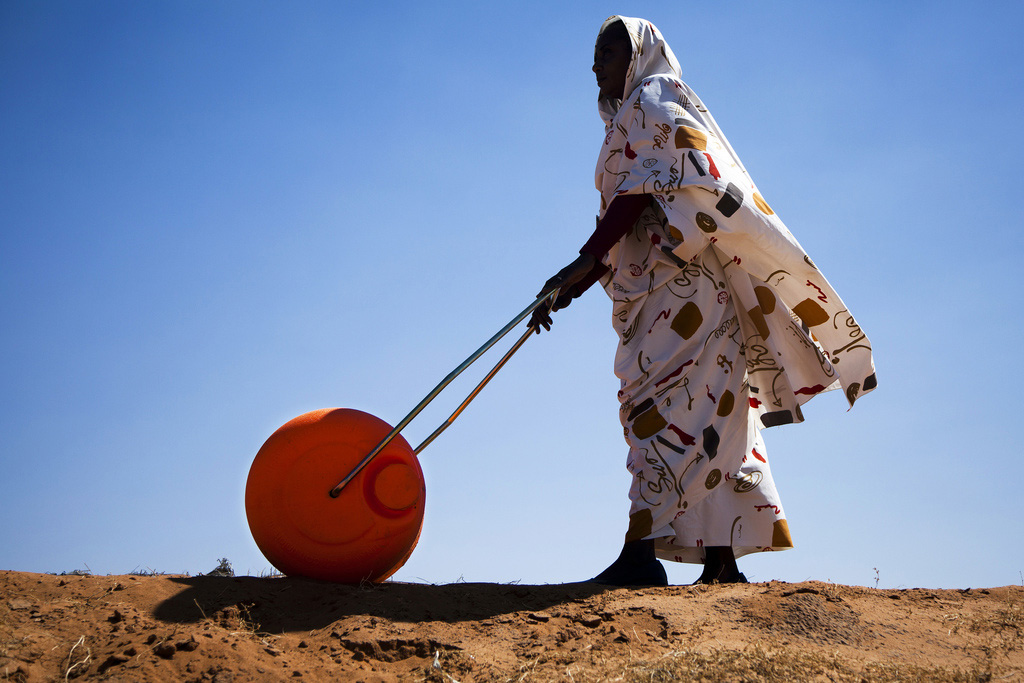
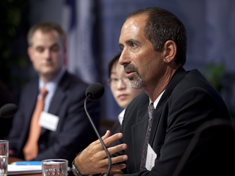 When it comes to environmental change, “policies and laws can have a very productive contribution toward positive adaptation, or they can subvert that and constrain options,” says Jon Unruh, associate professor of human geography and international development at McGill University, in this week’s podcast.