-
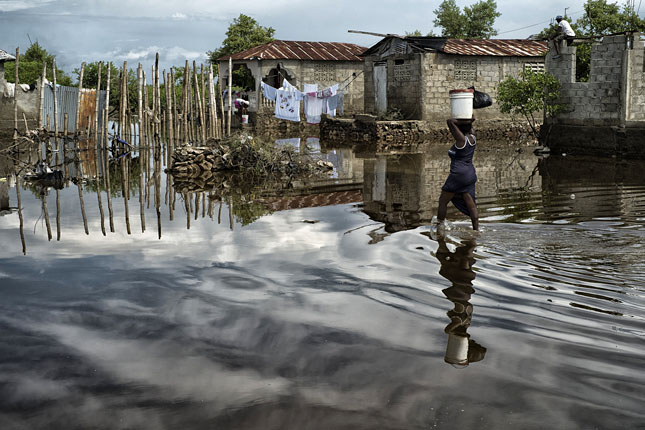
Breaking the Fragility Trap: What Role for the World Bank?
›
Last month, the World Bank’s Fragility Forum in Washington, DC, brought together some 600 participants to discuss how to advance sustainable development in the context of increasing conflicts and violence. World Bank President Jim Yong Kim opened the forum by emphasizing that we are at a critical moment.
-
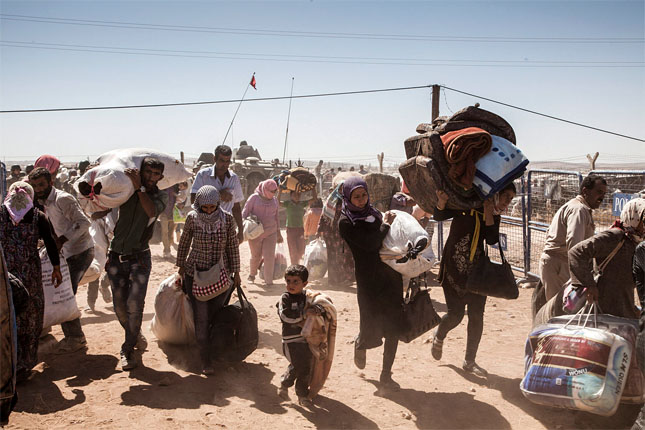
Joan Whelan on a New Strategy at the Office of Food for Peace: Address Conflict
› Since its inception more than 60 years ago, USAID’s Office of Food for Peace has provided critical food assistance to billions of people around the world. Yet, despite its name, the office lacked a strategy to address the effects of conflict on its work.
 -
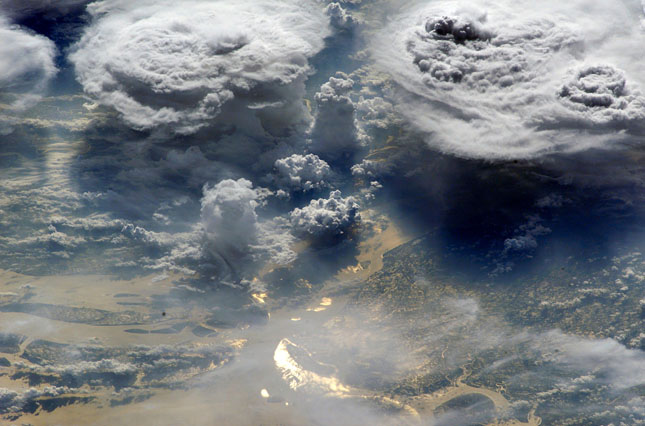
What Next? Climate Adaptation After Paris
›In December 2015, representatives from 195 nations gathered in Paris for the 21st Conference of the Parties (COP-21) to the UN Framework Convention on Climate Change. After two weeks of intensive negotiations, countries approved an agreement that charts new territory for global cooperation to address climate change. [Video Below]
-
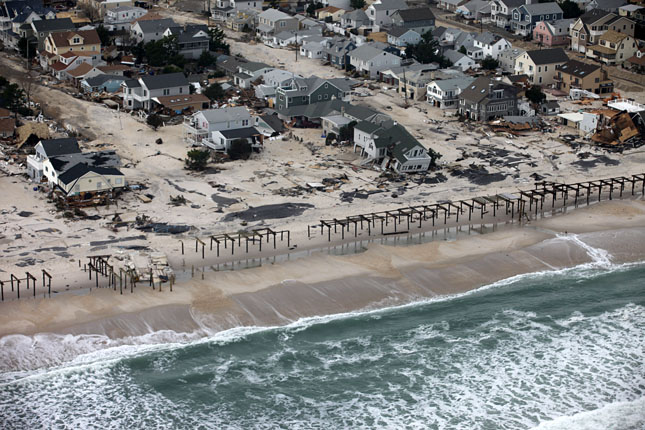
What Happens When You Can’t Build Back? Addressing Climate Change Loss and Damage
›The world is entering a new phase of climate change defined by “failure to mitigate sufficiently and failure to adapt sufficiently,” said Saleemul Huq, director of the Bangladesh-based International Center for Climate Change and Development, at the Wilson Center on March 16. [Video Below]
-
Protection and Prosperity: A New Environmental Research and Education Agenda for a Changing World
›March 30, 2016 // By Roger-Mark De SouzaSome, especially in the scientific community, get frustrated at the seeming lack of scientific literacy among the general public and policymakers. This is a two-part problem, however. The general public must understand the implications of science and data, yes, but it is also important for the scientific community to effectively convey their work and educate the next generation.
-
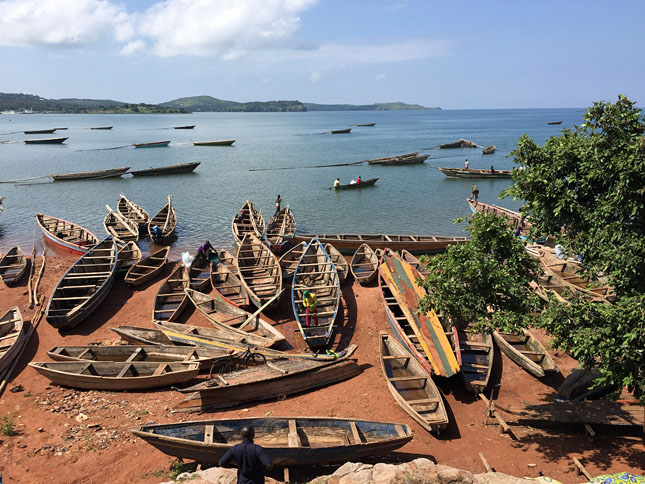
In Tanzania, Empowering Communities to Address Population, Health, and Environment Issues Together
›Africa has its share of challenges, but it also leads the way in creative development responses. Take the Lake Tanganyika area in Tanzania. Daily life is hard. There are few roads. Cellphone service is patchy. You must travel by boat for seven hours to reach the nearest hospital. And if you have an obstetric emergency, there is no doctor in the village to help you.
-
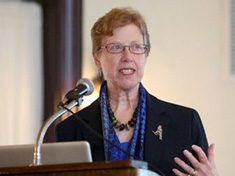
Susan Martin: Migration a Climate Adaptation Strategy, But Displacement More Dangerous
›When it comes to environmental change, “policies and laws can have a very productive contribution toward positive adaptation, or they can subvert that and constrain options,” says Jon Unruh, associate professor of human geography and international development at McGill University, in this week’s podcast. -
Creating a Water Ready World
›March 22, 2016 // By Sherri GoodmanSitting at my desk looking at bills to be paid, the first one on the stack is for the water company, emblazoned with the phrase, “Water is Life.” Yes, we all know that. But really, as my teenagers would say, “Duh, Mom. So what?”
Well, here’s the “so what” on this World Water Day 2016.
Showing posts from category risk and resilience.
 Since its inception more than 60 years ago, USAID’s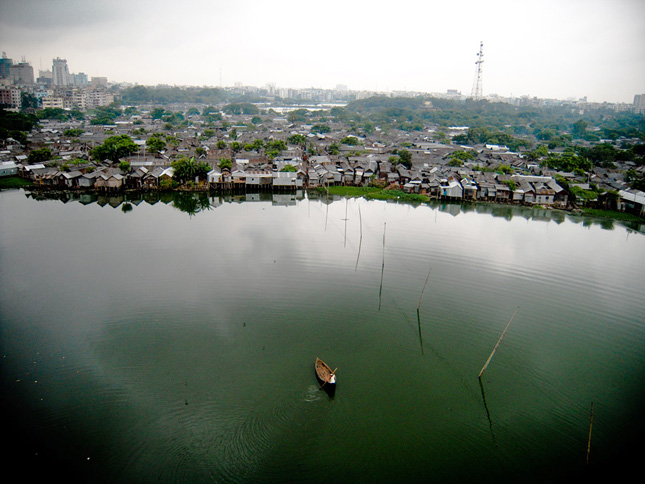
 When it comes to environmental change, “policies and laws can have a very productive contribution toward positive adaptation, or they can subvert that and constrain options,” says Jon Unruh, associate professor of human geography and international development at McGill University, in this week’s podcast.