-
As Asian Luxury Market Grows, a Surge in Tiger Killings in India
›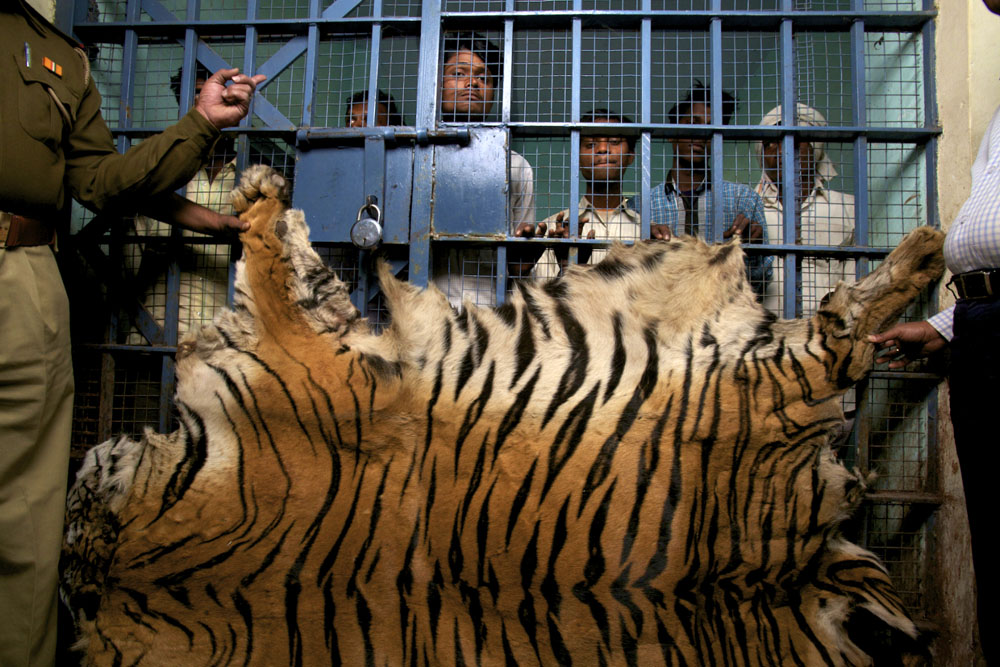
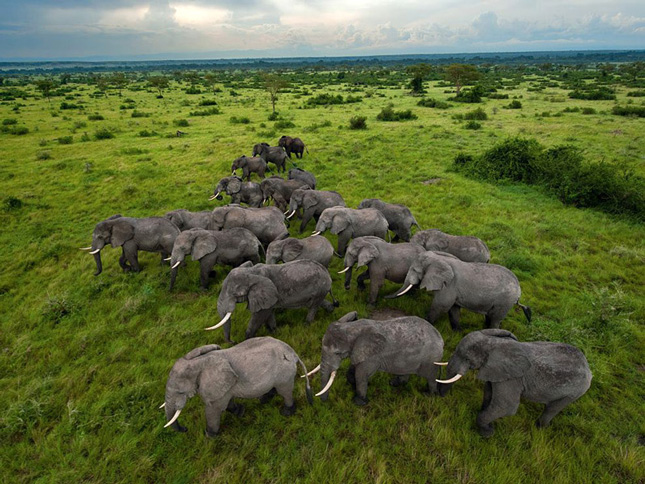
From 1990 to 2013, the notorious tiger poacher Kuttu Bahelia and his extended family – brothers, uncles, and their wives and children – reportedly killed hundreds of tigers and leopards in the tiger-rich Indian states of Maharashtra and Karnataka, according to law enforcement informants and media reports. “Even if half that [estimate] is correct, it is still a very significant number,” says Belinda Wright, who directs the non-profit Wildlife Protection Society of India (WPSI).
-
Environmental Defenders Are Being Murdered at an Unprecedented Rate, Says UN Special Rapporteur
›
The Earth’s front-line defenders are disappearing at an astonishing rate. On average three environmental activists were killed each week in 2015, according to a recent report from the United Nations special rapporteur on the situation of human rights defenders. Global Witness, an international NGO that documents natural resource extraction, corruption, and violence, reports a 59 percent increase in deaths last year compared to 2014. In total, 185 killings of environmental defenders were recorded by Global Witness in 2015.
-
Necessity Is the Mother of Invention: Islands as the Vanguard of Climate Adaptation
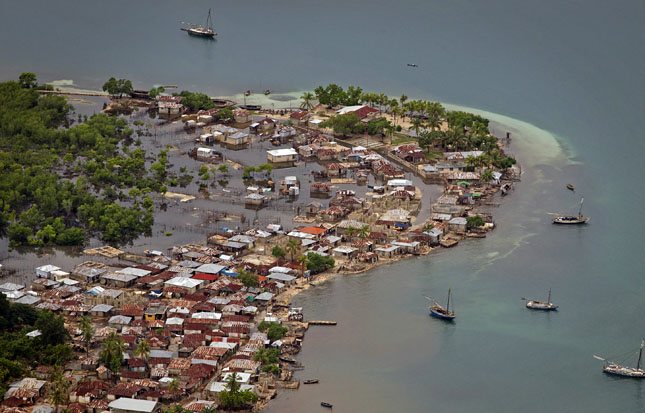
›“Climate change is one of the greatest challenges of our time and it calls for a comprehensive and cooperative international approach like we’ve never seen,” said Jainey Bavishi, associate director for climate preparedness at the White House Council on Environmental Policy, at the Wilson Center on October 5. “The leadership of the island nations is essential; they punch well above their weight on this issue.”
-
As Ivory Becomes Bigger Issue, Environmental Peacebuilding Gaining Ground at IUCN World Congress
›A traditional conservation approach to climate change (e.g., habitat restoration, species protection) has been a primary tenet of the International Union for Conservation of Nature (IUCN) agenda for decades. But this fall at the quadrennial World Conservation Congress in Hawai’i there were new discussions about tackling climate change in the context of national security and environmental peacebuilding.
-
Candido Pastor, Human Nature
From Machetes to Maps: How a “Red Line” Eased Conflict in Bolivia’s Amazon
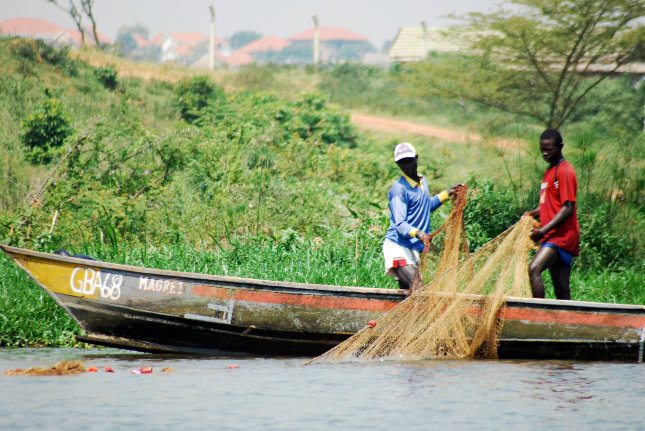
›August 24, 2016 // By Wilson Center StaffI remember the first time I made the four-day trek into the heart of Bolivia’s Carrasco National Park (CNP) 12 years ago like it was yesterday. I knew it would be a challenge to help communities agree on the boundaries of the protected area, given the high level of tension between indigenous communities, illegal migrant farmers, and park authorities over land rights, but I was unprepared for just how intense our first meeting would be.
-
Deep Trouble: Emerging Resource Competition in the Deep Sea
›It might seem strange to say that the deep sea, the vast expanse of the world’s oceans beyond the continental shelf, is at risk of conflict and competition. After all, no one lives there, and as is often said, more is known about the surface of the moon than most parts of the ocean floor. But the fact is, even the cold, dark reaches of the ocean are no longer immune to resource competition between the world’s major powers.
-
HoPE for Sustainable Development: Results From an Integrated Approach in East Africa
›The Sustainable Development Goals (SDGs) are an ambitious framework for reducing poverty and improving the lives of billions of people. They were agreed to last year by governments at the United Nations and cover developing and developed countries alike. But how will governments, NGOs, and other organizations go about actually accomplishing them over the next 15 years? [Video Below]
-
Christopher Golden et al., Nature
Declining Fisheries Threaten Micronutrient Deficiencies for Millions
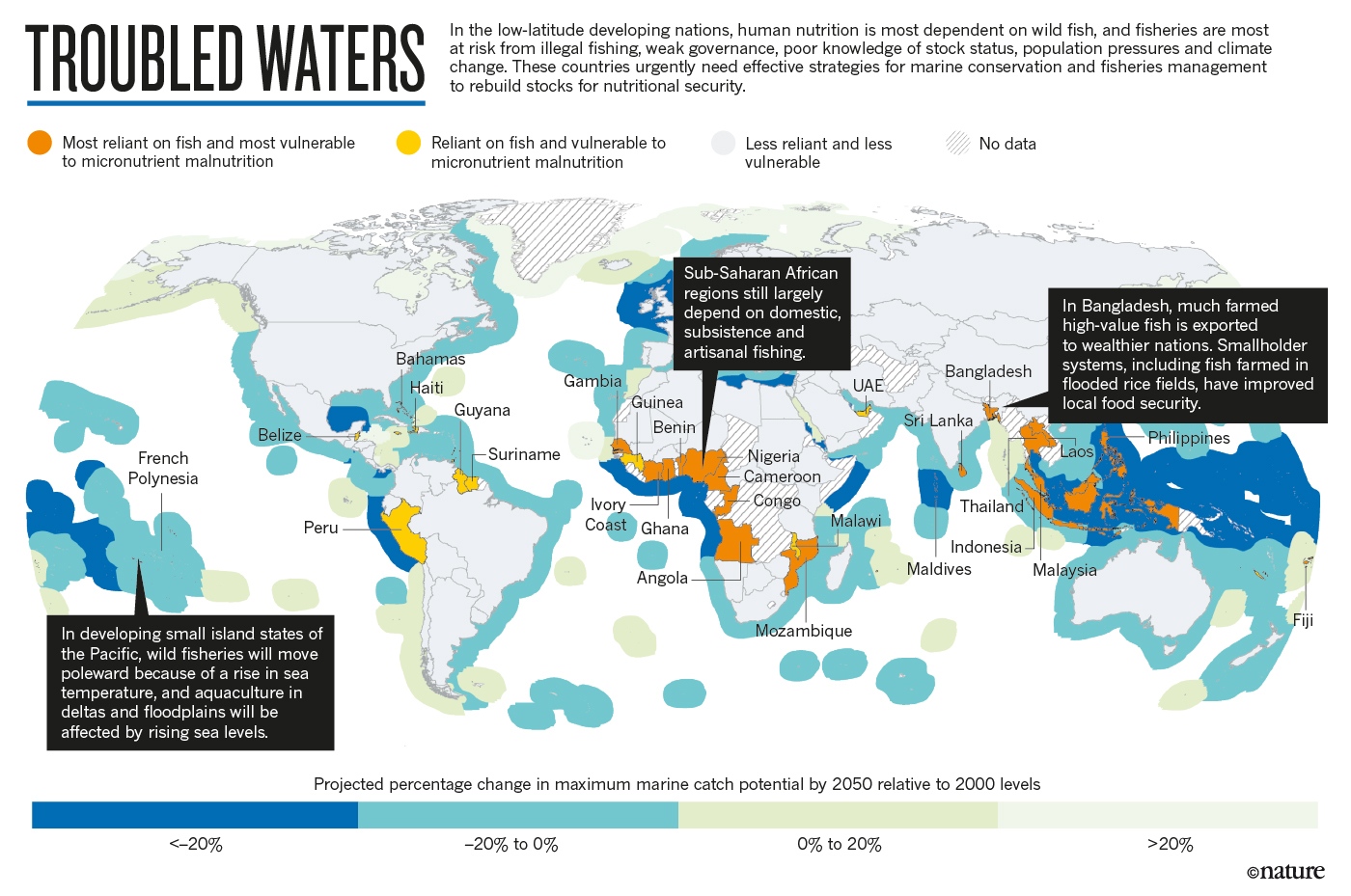
›June 17, 2016 // By Wilson Center StaffHow will the 10 billion people expected to be living on Earth by 2050 obtain sufficient and nutritious food? This is one of the greatest challenges humanity faces. Global food systems must supply enough calories and protein for a growing human population and provide important micronutrients such as iron, zinc, omega-3 fatty acids, and vitamins.
Showing posts from category protected areas.